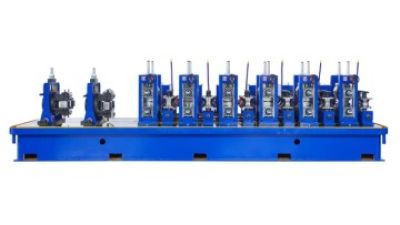
Picking the right Steel Tube Mill in 2026 isn’t just about how fast it can produce. You’ve gotta think about whether the machine matches the tube sizes you need, the steel grades, the volume of production, and, importantly, the quality your customers expect. Sometimes, a compact ERW line is perfect if you’re doing repeat orders of standard sections. Other times, a seamless line might be the better choice if the products need specific mechanical properties. Honestly, neither option is automatically the better investment; it really depends on your particular needs.
The World Steel Association’s October 2024 Short Range Outlook estimates global steel demand at about 1.75 billion tonnes in 2024 and around 1.77 billion tonnes in 2025. But here’s the thing—these numbers are about overall steel demand, not about the number of tube orders or how many mills are being sold. It’s a subtle but important distinction. While these figures give you some market perspective, they won’t tell you which equipment to buy. Deciding on capacity has to be based on actual local data—things like confirmed orders, what kind of products you plan to make, and how realistic your changeover times are.
So, don’t just look at the rated tonnes per year—dig a little deeper. Check the actual usable diameter and wall-thickness ranges, the forming and welding controls, tooling costs, inspection setups, energy consumption, and operator training needs. Always ask to see a line in action making similar grades and sizes—not just a shiny demo. Pay attention to how the strip feeds in, how the weld is monitored, and how precise the cut-off is. Small issues can turn into big expenses when you’re running at volume. And remember, no machine is perfect. A high-speed line might seem great on paper but could turn out to be a poor fit if changing products takes forever or if your product range is really narrow. This guide tries to compare different mill types based on real-world production needs, but don’t forget—claims from suppliers and published specs are worth verifying carefully. Sometimes, the real story’s in the details.
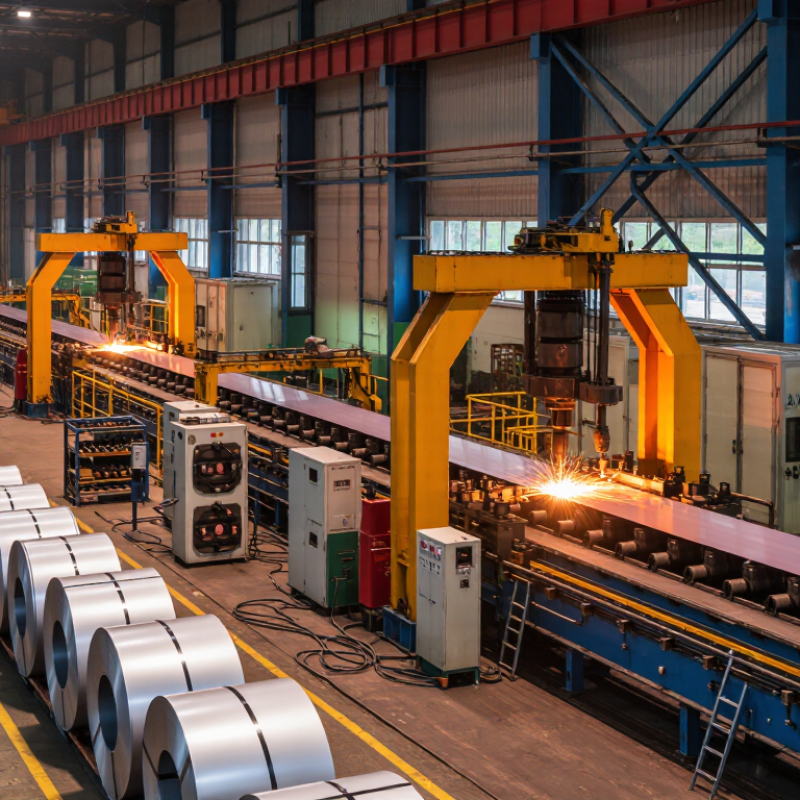
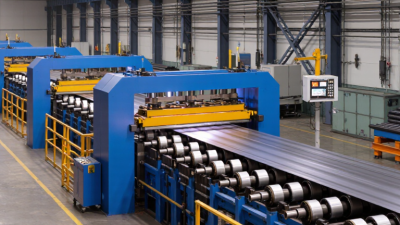
A steel tube mill turns flat steel strip into round, square, or rectangular tubes. In a welded line, coils are unrolled, leveled, and guided through forming rolls. The rolls gradually bend the strip into a tube shape. Its edges then meet and are joined, often using high-frequency resistance welding. The seam may be trimmed, and sizing rolls bring the tube closer to its required dimensions. A cutting unit separates finished lengths. Simple in outline. Demanding in practice.
A Carbon Steel Tube Mill must match the strip thickness, tube dimensions, production speed, and required tolerances. Operators monitor seam quality, roll alignment, and cooling conditions. Inspection can include visual checks and dimensional measurements; some applications call for additional testing. A line that runs quickly is not automatically the right choice. Tool changes, setup time, and operator skill affect day-to-day output too. I would not judge a mill by rated speed alone; actual performance depends on the material and setup.
Tips: Check sample tubes for straightness, consistent dimensions, and a clean weld seam. Ask how quickly the line can change sizes. Small setup issues can become costly over time.
Which Type of Steel Tube Mill Is Best in 2026?
Steel tube mills generally fall into welded and seamless categories. ERW mills form strip into a tube, then join its edges using high-frequency welding. LSAW mills weld a longitudinal seam, while spiral mills form and weld the strip helically. Seamless mills pierce and roll a solid billet. The World Steel Association’s World Steel in Figures 2024 reports 1,892.2 million tonnes of crude steel production in 2023. That figure shows the scale of steelmaking, not tube-mill output.
The right Steel Pipe Mill depends on diameter, wall thickness, material, tolerances, and production volume. ERW lines often suit high-volume production of smaller and medium-sized tubes. LSAW and spiral lines can handle larger diameters, though their forming routes and suitable applications differ. Seamless production avoids a weld seam, but typically involves more demanding heating and rolling stages. A glossy equipment specification cannot settle the choice. Real operating costs and product mix matter, and buyers sometimes underestimate changeover time.
Tip: Compare sample tubes, weld inspection results, achievable tolerances, and energy use under your actual production conditions. Ask for a trial run. One detail is easy to miss: the best mill on paper may not fit your floor layout or operators’ experience. That deserves a second look.
ERW mills form strip continuously, then weld the seam with high-frequency current. They suit high-volume, consistent-diameter tubes, with output shaped by strip width, wall thickness, and line speed. Seamless mills pierce and roll solid billets, avoiding a weld seam but adding heating and forming stages. That matters. Their output is generally less continuous, and billet size limits each production run.
Spiral-welded mills form wide plate into large-diameter pipe. They can use narrower coil than straight-seam lines, but forming and welding constrain speed. The World Steel Association’s World Steel in Figures 2025 reports 1,882.6 million tonnes of crude steel production in 2024. That upstream figure is not tube output; it cannot predict a mill’s daily tonnage. A Steel Mill Machine comparison should instead track saleable tonnes per hour, changeover time, scrap, and product range.
For a fair comparison, hold tube diameter and wall thickness constant. Then compare actual shift records, not brochure speed. Thin-wall ERW may run quickly, while thick-wall or high-strength grades require slower welding and tighter checks. Seamless lines may justify their slower cycle where pressure-duty specifications demand them. Spiral lines make sense for large diameters, though coil changes interrupt production. Real lines are messier than the charts. A short trial can reveal bottlenecks that rated capacity misses.
Which Type of Steel Tube Mill Is Best in 2026?
What Factors Matter When Choosing a Tube Mill in 2026?
The right tube mill depends on the product, not a headline speed. Define tube diameter, wall thickness, steel grade, and tolerance requirements before comparing machines. A mill designed for thin-wall conduit may not handle heavier structural tube reliably. Small details matter. Check the full size range and how quickly tooling can be changed between runs.
Production targets need a reality check. Ask for demonstrated output using material and dimensions similar to yours, not just the machine’s maximum rated speed. Review weld consistency, cut length accuracy, and scrap rates. A fast line can still lose time through frequent setup adjustments or difficult troubleshooting. It is easy to overvalue speed. I would also consider operator access, spare-part availability, maintenance intervals, and the space needed for coil handling and finished bundles.
Controls and automation should match the team’s skills and production mix. More automation can reduce repetitive tasks, but it may add complexity when faults occur. Request a sample run and inspect the finished tube under normal operating conditions. Ask what routine maintenance actually involves, including roll changes and weld-area cleaning. The best choice is not always the most advanced one. A mill that meets specifications consistently, fits the available floor space, and can be maintained by the in-house team may be the more dependable investment.
The best mill depends on your product mix, required output, weld specification, and budget. Use these selection factors to compare options.
How to read this chart: These illustrative decision weights total 100 points and are not market-survey results. High-frequency ERW mills are often considered for high-volume production of standard steel tubing; TIG or laser-welded lines may suit applications with different material, weld, or precision requirements. Confirm suitability against your tube specifications, production targets, and total operating costs.
Choosing a steel tube mill starts with the product, not the machine’s headline speed. For welded carbon-steel tubes in steady, high-volume runs, a high-frequency ERW line can provide efficient forming and welding. It suits repeat sizes and predictable orders. But frequent size changes can consume setup time. That cost is easy to underestimate.
For thin-wall precision tubes, prioritize forming stability, weld control, sizing accuracy, and in-line inspection. Ask for trial data using your actual steel grade, wall thickness, and target diameter. A polished sample is not enough. Check ovality, seam consistency, and dimensions across a full production run. For stainless or other demanding materials, confirm that the tooling and welding process suit the alloy. One configuration may not fit every product.
Large-diameter or heavy-wall tubes may need a different forming route and stronger handling equipment. Compare the usable diameter range, changeover time, startup scrap, operator needs, and maintenance access. A faster line may still be a poor fit if it handles only one specification. Forecasts change, and quoted output depends on material and operating conditions. Select equipment that meets current tolerances while allowing realistic room for a changing product mix.
A suitable Steel Rolling Mill Machine is not simply the one with the lowest price or highest rated output. Buyers should assess how reliably it can meet their actual tube sizes, steel grades, and shift schedules. A line that runs well during a short demonstration may behave differently after weeks of production. Ask to see test records, sample tubes, and operating data from comparable setups.
Long-term value depends on more than production speed. Compare expected energy use, changeover time, routine maintenance, and the availability of replacement parts. Confirm what operator training and technical support are included, and how quickly common wear parts can be supplied. If possible, inspect the mill running and listen for uneven vibration or unusual noise. These details do not prove future performance, but they can reveal questions worth asking. Buyers sometimes overlook setup time; it can quietly reduce usable output.
Tips: Request a written maintenance schedule and a clear list of consumable parts. Ask who handles commissioning and what support is available after installation. Check how easily key settings can be adjusted for different tube dimensions. Then compare suppliers using the same production assumptions. Estimates can still be imperfect, so record what each one leaves out.
World Steel in Figures 2024 provides a useful backdrop for understanding the scale and changing needs of the steel industry. For ERW pipe manufacturers, demand across construction and infrastructure makes consistent quality, efficient production, and flexible product ranges important. Equipment must form steel strip accurately, create dependable welds, and support steady output while helping manufacturers respond to different pipe specifications. As producers seek reliable performance and better use of resources, durable machinery and practical maintenance options are central considerations.
A tube mill designed for steel and galvanized iron (GI) pipes can support these requirements. This model produces pipes with diameters from Ф 8–32 mm and wall thicknesses from 0.4–1.2 mm, making it suitable for a range of applications, including construction. Its bearings are quenched to improve durability and operating efficiency, while customizable machine color and optional customized spare parts allow the equipment to be adapted to factory preferences and service needs.
When evaluating ERW production equipment, manufacturers can consider product dimensions, expected output, maintenance arrangements, and the availability of suitable replacement parts. The tube mill includes a one-year warranty and is offered by a China-based factory, providing a practical option for businesses seeking adaptable equipment for small-diameter pipe production.
It forms flat steel strip into round, square, or rectangular tubes. The strip is shaped, welded, sized, and cut.
Coils are unrolled and leveled. Forming rolls bend the strip, then its edges meet and are welded. Sizing rolls refine the dimensions before cutting.
Check straightness, consistent dimensions, and a clean weld seam. A quick visual check helps, but may not reveal every defect.
ERW mills form strip continuously and weld a seam. Seamless mills pierce and roll heated solid billets, adding more production stages. That matters.
It can make large-diameter pipe from wide plate or narrower coil. Forming and welding limit speed, and coil changes can interrupt production.
Compare saleable tonnes per hour, changeover time, scrap, and product range. Hold tube diameter and wall thickness constant. Brochure speed alone is not enough.
Consider energy use, maintenance, setup time, replacement parts, training, and technical support. Small delays can quietly reduce usable output.
Watch the line running and listen for unusual noise or uneven vibration. Request test records and sample tubes from comparable setups. I would still treat estimates cautiously.
Choosing the best steel tube mill in 2026 starts with understanding how the equipment forms and joins steel into tubes, and how different mill designs support different materials, sizes, and production methods. Comparing mill types means looking beyond basic operation to consider production speed, output consistency, changeover time, and the range of products each setup can handle. The right choice depends on a manufacturer’s target specifications, expected demand, available space, staffing, and plans for future production.
For a sound investment, buyers should assess more than the initial purchase price. Energy use, tooling and maintenance needs, automation, quality control, operator training, and access to technical support all affect long-term value. A mill suited to high-volume, standardized output may not be ideal for a facility that needs flexibility and frequent product changes. By matching capabilities to practical production needs and evaluating operating costs over time, buyers can select equipment that balances productivity, reliability, and adaptability.