Picking the right galvanized tube mill really can make a big difference in how smoothly your production runs. I remember John Smith, a pretty well-known expert in the galvanized pipe world, once said, ‘Knowing exactly what you need is the key to choosing the right equipment.’ And honestly, that advice still holds true today, especially since every company faces its own unique set of challenges when it comes to tube manufacturing.
When you’re looking at different galvanized tube mills, it’s a good idea to think about your production volume and the specific uses for your tubes. Some mills are packed with features that cater to particular needs, so finding one that matches your requirements can seriously boost your efficiency and the quality of your output. A solid Galvanized Pipe Making Machine can really help speed things up, but keep in mind: not every machine is a one-size-fits-all solution. It’s important to weigh both your short-term production goals and your long-term plans.
Also, don’t forget about the support from the manufacturer. Good maintenance and reliable service are key to keeping your mill running smoothly over time. Sometimes, companies get so caught up in buying a machine that they overlook how crucial customer support is. A machine might work great out of the box, but if you hit a snag and don’t have good support, it can cause real headaches. Finding that balance between quality, good service, and your specific needs will help you make a smarter, more confident decision.
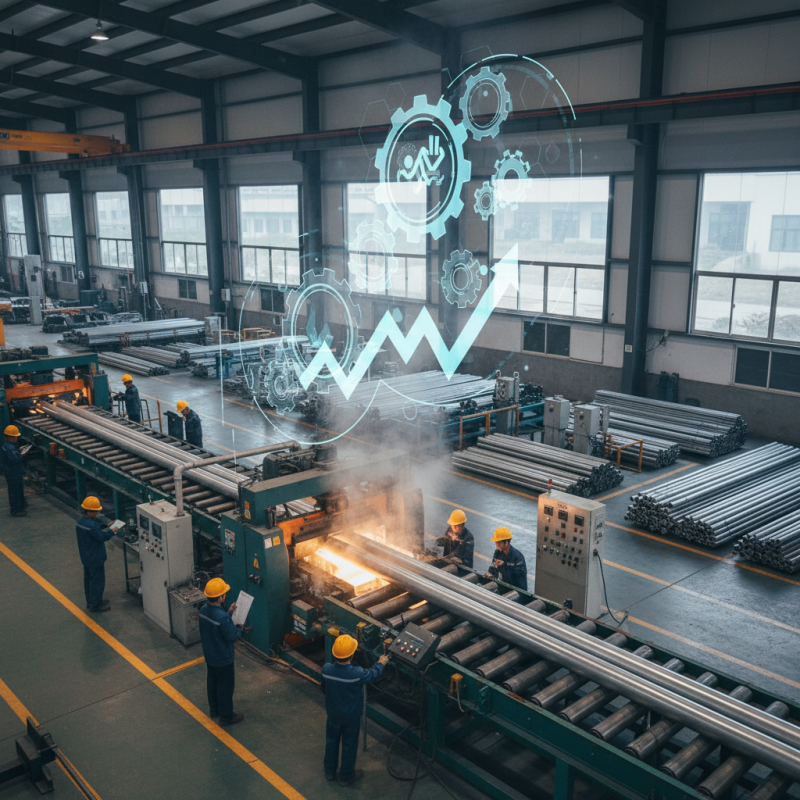
Galvanized Tube Mills play a crucial role in producing high-quality steel tubes. Understanding their function is key for making informed choices. A galvanized tube mill utilizes a continuous welding process, which leads to improved durability and corrosion resistance of the final products. According to industry reports, the global tube and pipe market is anticipated to grow at a CAGR of 5.2% from 2021 to 2028. This highlights a rising demand for efficient tube mills.
One important aspect of choosing the right tube mill is its specifications. Factors such as wall thickness, pipe diameter, and production capacity directly impact manufacturing efficiency. For instance, a mill with adjustable settings can accommodate various material grades and tube sizes. Testing different configurations can reveal inefficiencies in production that need addressing. Often, users overlook the importance of maintenance. Regular upkeep of the machine components can prevent costly downtimes.
In addition, energy consumption is a significant concern. Modern tube mills are increasingly focusing on reducing energy use while maintaining output quality. The industry average energy consumption for tube production is around 10-12 kWh per ton. However, newer mills are achieving levels as low as 8 kWh per ton. This shift not only enhances environmental sustainability but also reduces operational costs. Selecting a tube mill that prioritizes energy efficiency is an essential consideration.
When selecting a galvanized tube mill, several key features warrant attention. The type of material and its coating thickness directly impact durability. Reports indicate that a mill producing tubes with a minimum zinc coating of 275 grams per square meter significantly extends their lifespan. Moreover, tube mills with advanced welding techniques often yield better consistency in quality. A study found that mills employing high-frequency induction welding achieved a 50% higher strength than those using less efficient methods.
Another important aspect is the mill's productivity. An efficient mill can significantly reduce operational costs. Research suggests that mills capable of producing at least 100 meters per minute can enhance overall production efficiency. Monitoring system reliability is also crucial. Data from industry reports demonstrate that mills with predictive maintenance systems reduce unplanned downtime by up to 30%. This reliability translates directly to profitability.
Control systems should not be overlooked. A user-friendly, automated interface aids in ensuring optimal performance. Some operators express frustration with complex systems that lead to operational hiccups. Balancing user experience with high-tech features can prove challenging but essential. Evaluating these aspects can guide manufacturers in making informed decisions that best meet their production needs.
| Feature | Importance | Specifications | Considerations |
|---|---|---|---|
| Production Capacity | High | Units per hour (e.g., 1000-6000) | Evaluate based on demand |
| Raw Material Type | Medium | Steel grade specifics | Compatibility with local supplies |
| Technology Integration | High | Automation and IoT Features | Future scalability options |
| Energy Efficiency | Medium | Power consumption metrics | Cost vs. savings analysis |
| Maintenance Requirements | High | Frequency and cost | Availability of service providers |
| Safety Standards | High | Compliance certifications | Regulatory changes awareness |
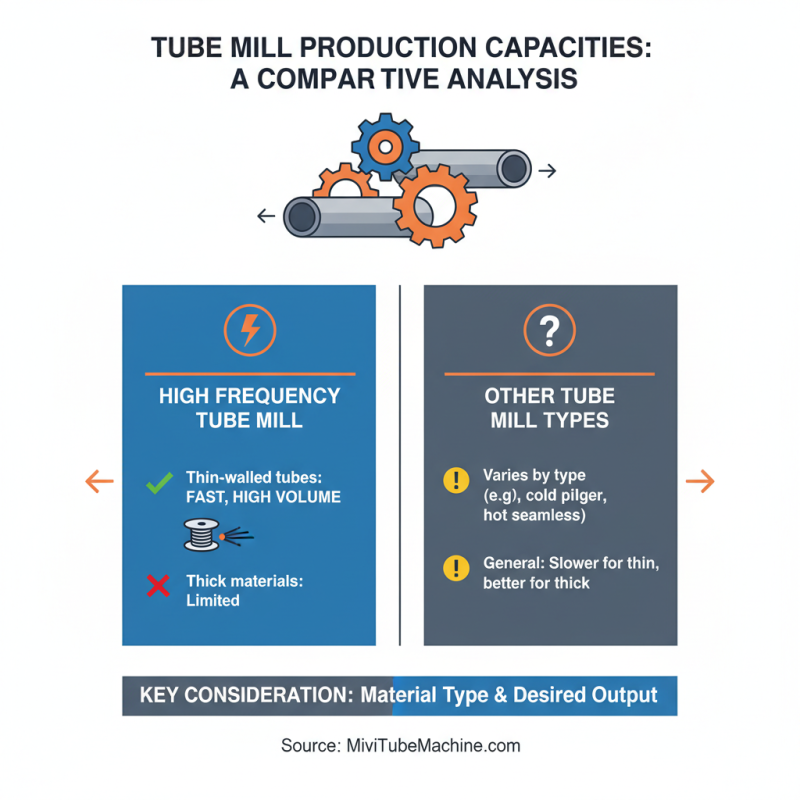
When selecting a tube mill, understanding production capacity is crucial. Each type of mill has specific strengths and weaknesses. For instance, a High Frequency Tube Mill excels in producing thin-walled tubes rapidly. This mill can significantly increase output, but it may struggle with thicker materials. Companies must assess their needs based on the materials they will work with and the desired end product.
Furthermore, comparing different tube mills can reveal important insights. Some mills are designed for flexibility, allowing adjustments in size and shape. Others prioritize speed and efficiency, making them ideal for high-volume production. However, high production rates may come at the cost of quality. It's important to evaluate whether the increased speed aligns with the quality standards required for your project.
Many manufacturers overlook the long-term implications of their choice. Choosing a mill solely based on capacity can lead to future challenges. For instance, unexpected material changes during production can disrupt output. Continuous training and maintenance also play pivotal roles in sustaining optimal performance. Reflection on past experiences can help refine future decisions. Considering these aspects can lead to a more informed selection of a tube mill that meets diverse production needs.
When selecting a Welded Tube Mill, understanding material specifications is crucial. The galvanization process enhances the durability of tubes, providing extra protection against corrosion. This is especially important in industries that face harsh environments. Proper galvanization can prolong the life of the tubes, ensuring they serve their intended purpose more effectively.
Consider these tips when evaluating your options. Look for mills that use high-quality zinc coatings. Thickness matters; a thicker layer often translates to better protection. Investigate the process used in galvanization. Hot-dip galvanizing is noted for its robust finish. Remember, not all processes guarantee the same level of protection.
Reflect on the importance of quality control in the production of welded tube mills. Check if the manufacturer provides testing certifications. This will help you assess the reliability of their galvanization process. Inconsistencies in quality can lead to unexpected failures. Ultimately, ensuring the right specifications in the galvanization process will lead to a more robust and reliable product.
When considering the investment in a galvanized tube mill, a cost-benefit analysis is crucial. Assess your specific needs against the expected returns. This equipment can be a significant financial commitment. Analyzing long-term benefits versus upfront costs is essential. Calculate not just the purchase price but also ongoing maintenance, labor, and energy expenses.
To make a sound decision, consider the quality and durability of the mill. A cheaper option might initially save money but could lead to higher repair costs and production losses. Do your research. Speak to industry experts. Read reviews to gather insights on performance and reliability.
Tips: Compare features across models. Understand which specifications directly impact your production. Don't forget to account for potential downtime. A mill with lower initial cost but frequent breakdowns might end up being more expensive. Keep an eye on resale value, too. It can significantly affect your overall investment in the long run.
When selecting a galvanized tube mill, industry standards and certifications play a crucial role. These benchmarks help ensure that production methods meet quality and safety requirements. Key certifications, such as ISO 9001, indicate that a mill follows quality management principles. Businesses can rely on these certifications for a consistent product.
Another important standard is ASTM A500. This specification covers the use of cold-formed welded and seamless carbon steel structural tubing. Compliance ensures that the tubes can withstand a range of loads and environmental conditions. Understanding these standards can help you evaluate potential mills effectively.
Quality assurance is not merely about compliance. It's also about ongoing improvement. Factories may claim they meet industry standards, but what truly matters is how they implement and monitor these processes. Ask about their quality control measures. Reflect on how this affects your supply chain reliability. It’s essential to engage actively with manufacturers to ensure they prioritize quality in their production.
The galvanized tube mill market is evolving. Innovations are reshaping how businesses approach manufacturing. Look for machines that integrate advanced technology. Automation and efficiency are key trends. They reduce costs and increase productivity. Understanding these trends will help you make informed choices.
Tips: Evaluate your production capacity. Consider how much output you need. Research models that can grow with your demands. Customization options are essential for unique requirements. Look for features that allow flexibility.
Sustainability is becoming increasingly important. Environmentally friendly materials and processes are in demand. Solutions that minimize waste and energy consumption will be more attractive. Keep an eye on suppliers who prioritize sustainability in their operations. A Steel Tube Mill that supports eco-friendly practices could enhance your brand image.
Investing in new technology might seem daunting. However, it's necessary to stay competitive. Review user feedback on various mills. Create a checklist of must-have features. Prioritize not just performance but reliability as well. Embracing these innovations can redefine your production efficiency.
This chart illustrates the increasing market demand for galvanized tube mills from 2022 to 2026, highlighting significant growth trends in the industry as innovation and technology play vital roles in shaping market dynamics.
The innovative high precision steel pipe mill is revolutionizing the production of furniture tubes, focusing on achieving superior surface quality that meets the demands of modern retail and display industries. This state-of-the-art Carbon Steel Tube Mill is specifically engineered to produce small-diameter precision tubes, making it an ideal choice for applications such as clothing racks, wardrobe rods, garment displays, and various retail fixtures.
With a pipe size range from Ф 8mm to 38mm and a thickness capability of 0.4 to 1.0mm, this mill offers unparalleled precision and versatility. The ability to customize spare parts and machine colors further enhances its adaptability for different production needs, ensuring that businesses can achieve their desired aesthetics and functionality without compromise. With a one-year warranty, users can trust in the machine's reliability and durability, making it a valuable investment for any manufacturing operation looking to elevate its furniture tube production.
: The main function is to produce high-quality steel tubes with improved durability and corrosion resistance.
Energy consumption impacts operational costs and environmental sustainability, making efficient mills a priority.
Specifications like wall thickness and diameter directly influence manufacturing efficiency and product quality.
Galvanization enhances tube durability and protects against corrosion in harsh environments, ensuring longer service life.
Regular maintenance prevents costly downtimes and keeps the production process running smoothly.
Consistent quality prevents unexpected failures, which can disrupt production and increase costs.
Assess purchase price, maintenance, labor, energy expenses, and long-term benefits against initial costs.
Thicker zinc coatings generally provide better corrosion protection and longer-lasting tubes.
They verify quality and reliability, ensuring that the galvanization process meets industry standards.
Yes, cheaper options may save money upfront but often incur higher repair and production loss costs.
When choosing the best galvanized tube mill for your needs, it's essential to understand the fundamentals of these machines and their key features. A thorough evaluation of production capacities, material specifications—including the importance of the galvanization process—and a cost-benefit analysis are crucial in making an informed decision.
Additionally, industry standards and certifications play a significant role in ensuring quality assurance in tube production. With ongoing innovations shaping the galvanized tube mill market, staying updated on future trends is vital for optimizing production efficiency and enhancing product quality. By considering these aspects, buyers can effectively select a galvanized tube mill that aligns with their operational requirements and investment goals.