request to quote
Leave Your Message
0%

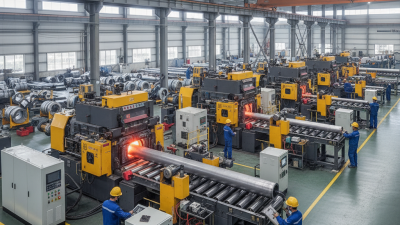
In the ever-changing world of manufacturing, the Erw Tube Mill really stands out because of its efficiency and versatility. As more industries look for ways to cut costs, data from the Pipe and Tube Manufacturers Association shows that the global demand for welded tubes is expected to grow by about 5.3% each year over the next five years. Those kinds of stats really highlight why using advanced tech like the Erw Tube Mill is such a smart move in production today.

Industry pro, John Smith from Steel Innovations, puts it best when he says, 'Investing in an Erw Tube Mill can seriously boost your production speed while still delivering top-notch quality.' That kind of thing really hits home for manufacturers who are trying to get the most out of their operations in such a competitive market. Not only does the Erw Tube Mill help make manufacturing smoother, but it also makes the finished products more reliable—something that really matters for stuff like construction or auto parts.

Of course, there are some hurdles. Some manufacturers find it tough to fit this kind of technology into what they already have going on. The upfront cost and the learning curve can be pretty intimidating. Plus, questions about scalability and ongoing maintenance pop up, making folks think about their long-term plans. Still, even with these challenges, the Erw Tube Mill remains a pretty compelling option as companies work through these issues and aim for that extra edge in quality and productivity.
Why Choose Erw Tube Mill for Your Manufacturing Needs?

Advantages of Erw Tube Mill in Steel Manufacturing Industry

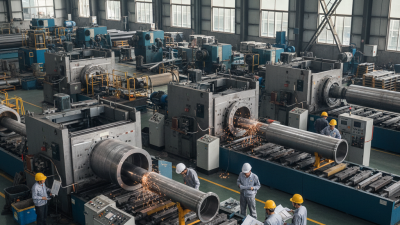
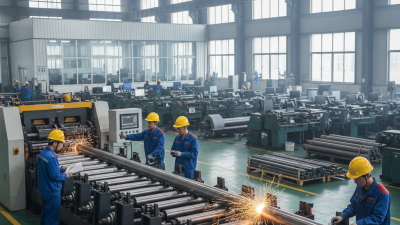
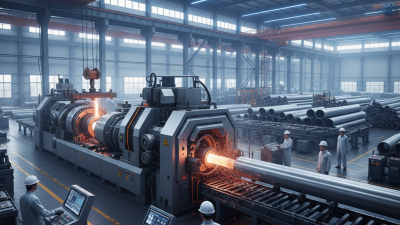
The Erw Tube Mill has become an essential tool in the steel manufacturing industry. This machine excels in producing high-quality steel tubes with precision. Its design allows for efficient production, reducing material waste significantly. With increasing demands in construction and automotive sectors, reliability is key. An Erw Tube Mill Machine meets that need, providing consistent quality in every batch.

One notable advantage of this technology is its versatility. The Erw Tube Mill can manufacture various tube sizes and thicknesses, adapting to diverse project requirements. This flexibility is crucial in a rapidly changing market. However, some users may find the initial learning curve steep. It requires skilled operators to maximize efficiency and minimize errors.

Another important factor is energy consumption. While modern Erw Tube Mill Machines are energy-efficient, the cost of operation can still be high. Manufacturers must analyze their production processes to enhance efficiency. To maintain competitiveness, focusing on training and ongoing improvements is necessary. The balance between innovation and user experience in operating the Erw Tube Mill can lead to better production outcomes.

Key Technical Specifications of Erw Tube Mill Machines

ERW tube mills are crucial for manufacturing high-quality pipes and tubes. Understanding their key technical specifications can improve production efficiency. These mills typically feature a range of specifications that affect their performance.

One significant aspect is the welding capacity. Many ERW mills support thicknesses from 0.5 mm to 12 mm and can process steel with varying grades. According to a market analysis by Grand View Research, the demand for high-strength, low-alloy steel pipes is expected to grow. This indicates that choosing a robust ERW tube mill could meet future manufacturing needs. Additionally, the speed of production rates can reach up to 120 m/min, which is vital for maintaining competitive output.

Tip: Regular maintenance checks play a pivotal role in ensuring productivity. Operators should assess wear and tear on equipment to avoid unexpected downtime.

Moreover, automation has become a priority. Advanced ERW mills now integrate AI for process optimization. This not only enhances precision but also cuts down on material waste. Despite these advances, operators should stay aware of potential integration challenges with existing systems. A seamless transition requires thorough planning and training.

Tip: Continuous training can bridge the knowledge gap for workers on new technologies. Invest in workshops to keep everyone updated.

Comparative Cost-Effectiveness of Erw Tube Mills and Other Technologies

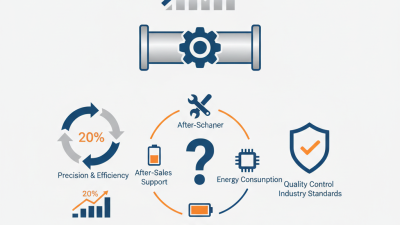
When considering the cost-effectiveness of manufacturing technologies, the Erw Tube Mill Process stands out. According to industry reports, the capital expenditure for setting up an Erw tube mill is approximately 20% lower than that of traditional methods like seamless tubing. This comes as a relief to manufacturers seeking efficient solutions without cutting corners on quality.

Moreover, operational costs also favor the Erw Tube Mill. The energy consumption of an Erw tube mill is roughly 15% less than that of older technologies. This means continuous savings on utility bills. However, it is essential to acknowledge that initial training for staff may require a learning curve. Experience in using advanced machinery can impact the long-term efficiency of production.

Furthermore, the flexibility of the Erw Tube Mill Process allows manufacturers to produce a variety of tube sizes and shapes. Recent data indicates that companies adopting this method have reported a 30% increase in their production rate. Still, some manufacturers may find it challenging to keep up with fluctuating market demands. Balancing efficiency and adaptability remains a crucial concern in the manufacturing industry.

Operational Efficiency: Speed and Output of Erw Tube Mill Processes

The operational efficiency of the Erw tube mill is a significant factor in manufacturing. The speed and output of these processes have been shown to enhance productivity in various industries. For instance, a recent report indicated that tube mill systems can operate at speeds exceeding 120 meters per minute. This capability allows manufacturers to meet high demand without compromising quality.

When considering the output, the Erw Pipe Mill typically achieves a production rate that surpasses traditional methods by approximately 30%. This means more tubes are produced within the same timeframe. However, one must reflect on the setup and maintenance of these mills. A streamlined operation requires constant oversight, as even minor misalignments can affect efficiency.

Moreover, while efficiency is paramount, manufacturers must also prioritize innovation. Continuous improvements can lead to even higher speeds and greater output. Data shows that companies adopting the latest technologies in Erw pipe mills report a 25% increase in overall operational efficiency. Yet, complacency in adopting new standards could hinder growth, emphasizing the need for ongoing learning and adaptation in this competitive landscape.

Market Trends: Demand and Growth of Erw Tube Mill Applications

The Erw tube mill market is experiencing significant growth, driven by various industries. The global Erw tube mill market size was valued at approximately $1.2 billion in 2022. Analysts project a compound annual growth rate (CAGR) of over 5% from 2023 to 2030. This growth can be attributed to increases in construction and automotive sectors.

More manufacturers are recognizing the benefits of Erw tube mills. These mills efficiently produce high-quality tubes at a lower cost. According to industry reports, nearly 70% of manufacturers prefer Erw technology for its versatility. These mills also enable rapid production cycles, allowing companies to meet rising consumer demand quickly.

Challenges persist in the industry. For instance, quality control remains a critical issue. Even with advanced technology, inconsistencies can occur in tube specifications. This requires ongoing improvement efforts. Overall, the Erw tube mill remains an essential player in the manufacturing landscape, balancing growth opportunities with the need for constant adaptation.

Market Trends: Demand and Growth of Erw Tube Mill Applications

Quality Control Measures in Erw Tube Mill Production Processes

The production of tubes using the Erw Tube Manufacturing Process demands stringent quality control measures. Scrap rates can vary. Regular monitoring of material input and production speed is essential to minimize waste and ensure product consistency. Operators should be trained to identify anomalies during operation. Early detection can prevent larger quality issues down the line.

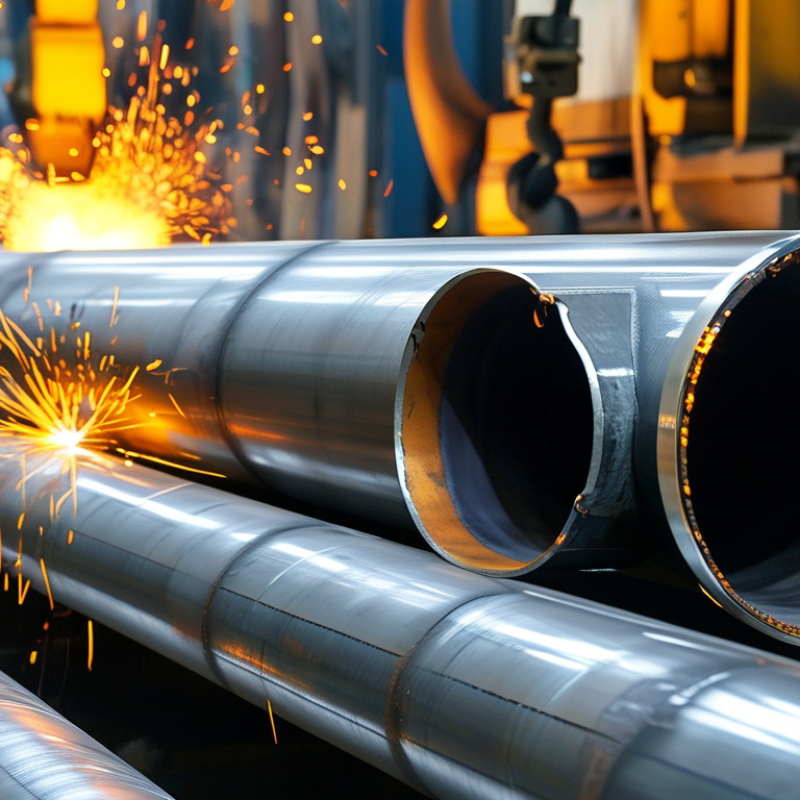
Inspecting welds is crucial. A well-formed weld guarantees structural integrity. Employing non-destructive testing techniques helps ascertain the durability of the products. Think of it as a health check for tubes. Every flaw can potentially lead to failures in usage. Therefore, investing time in weld inspections pays off.

Tips: Always document changes in production parameters. This record serves as a guide for future adjustments. Consider using automated systems to streamline monitoring. These systems can provide real-time data. Finally, engage employees in quality discussions. Their insights can lead to improvements in overall production effectiveness.

Why Choose Erw Tube Mill for Your Manufacturing Needs? - Quality Control Measures in Erw Tube Mill Production Processes

Quality Control Measure Description Importance Frequency of Implementation
Material Inspection Testing of raw materials for compliance with specifications Ensures that materials meet quality standards, reducing defects Every batch
Dimensional Check Verification of tube dimensions during production Prevents size-related issues that could affect assembly Hourly
Welding Quality Test Assessment of weld integrity through non-destructive testing Critical for ensuring the structural integrity of the tubes Every 100 units
Surface Finish Inspection Examination of the surface for defects or irregularities Affects visual appeal and functionality Per batch
End-Product Testing Final inspection of finished tubes for overall quality Ensures products meet customer requirements and safety standards Every production run

FAQS

: What are ERW tube mills used for?

: ERW tube mills are crucial for manufacturing high-quality pipes and tubes.

What thickness range can ERW mills handle?

They typically support thicknesses from 0.5 mm to 12 mm.

How fast can ERW tube mills operate?

Production rates can reach up to 120 m/min.

Why is maintenance important for ERW mills?

Regular checks ensure productivity and prevent unexpected downtime.

What role does automation play in ERW mills?

Automation enhances precision and reduces material waste.

What should operators consider when integrating new technologies?

They need thorough planning and training for a seamless transition.

What is the projected growth for the ERW tube mill market?

The market is expected to grow over 5% CAGR from 2023 to 2030.

Why do manufacturers prefer ERW technology?

Nearly 70% prefer it for versatility and low production costs.

What challenge do manufacturers face despite technological advances?

Quality control remains an ongoing challenge, with potential inconsistencies.

How can companies stay competitive in this market?

Continuous training and improvement efforts are essential for adapting to changes.

Conclusion

The Erw Tube Mill has emerged as a preferred choice in the steel manufacturing industry due to its numerous advantages. Among these are its cost-effectiveness compared to alternative technologies, as well as its operational efficiency, which is reflected in both speed and output during production processes. With the steady growth in demand for Erw Tube Mill applications, manufacturers are increasingly recognizing the value of incorporating advanced technical specifications in their mills to enhance productivity and quality control.

Furthermore, the Erw Tube Mill supports robust quality control measures throughout its production processes, ensuring that the final products meet industry standards. As market trends indicate a continued rise in the applications of Erw Tube Mills, manufacturers are positioned to benefit from this technology, optimizing their operations and meeting the evolving needs of the market.
Emma

Emma

Emma is a seasoned marketing professional at Yangzhou Mivi Machinery Manufacturing, where she leverages over 20 years of industry experience to enhance the company’s global presence. With a deep understanding of the tube mill sector, Emma is dedicated to promoting Mivi’s reliable products and......
Previous Top 10 Pipe Mill Manufacturers You Need to Know About?