When you're trying to pick out the perfect cut-to-length machine, there are honestly a lot of factors to consider. It’s not just a simple decision—it can really impact how smoothly your production runs. A good machine can speed things up and cut down on waste, which is definitely a plus. But, I won’t lie, choosing the right gear can be pretty overwhelming, especially with so many options out there. And it’s not all about brand names either; practicality and how well it fits your needs matter just as much, if not more.
The key thing is really understanding what your business actually needs. Whether you’re making pipes or doing some other kind of fabrication, the machine you go for should match your specific operations. Sure, those snazzy high-tech features are tempting, but they’re not always necessary. Think about your production volume, what kind of materials you’re working with, and how precise the cuts need to be. Sometimes, a simpler machine does the job just as well without breaking the bank.
Don’t just rely on what industry folks claim or fancy advertisements—trust me, that can lead you astray. It’s super helpful to read reviews and get testimonials from other users who’ve actually used the models you’re considering. A good cut-to-length machine should be reliable and easy enough for your team to operate without a headache. If you get the chance, swing by trade shows or visit local vendors—you can see the machines in action and get a feel for them firsthand. Connecting with other people in the pipe manufacturing scene can also give you some priceless insights. At the end of the day, your choice shouldn’t just be based on expert recommendations but also on how well the machine performs in real-world situations. And be ready to make ongoing tweaks and improvements down the line. Picking the right equipment can really pay off—saving you money and making your production way more efficient, for sure.
Understanding Cut to Length Machines: An Overview
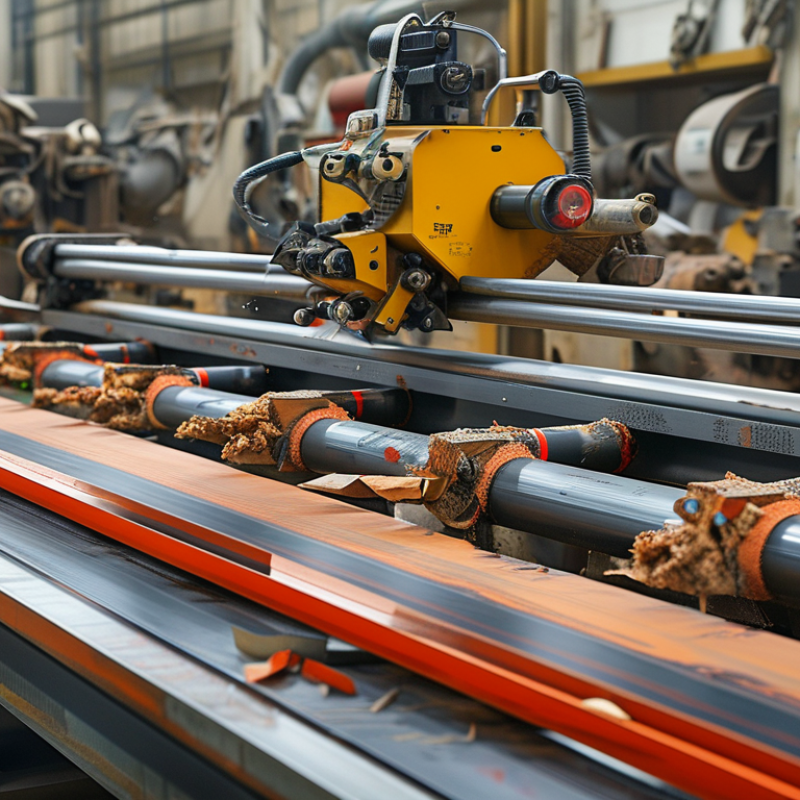
Cut to length machines are essential in many industries. They are designed to cut materials into specific lengths efficiently. Understanding how these machines operate can help you make an informed choice. Manufacturers often focus on versatility and speed. Yet, these factors can vary greatly among different models.
When considering a cut to length machine for your business, think about the materials you will process. For example, a
Carbon Pipe Manufacturing Machine
may require different specifications compared to one designed for softer materials.
Evaluate the thickness, width, and type of material to ensure optimal performance.
Some machines can handle a range of materials, while others are specialized, which can affect both cost and efficiency.
It's vital to assess the reliability of a machine. Machines that frequently jam or require excessive maintenance can lead to downtime.
Researching user reviews and expert opinions can offer insights.
Keep in mind that while all machines have a learning curve, the best choice is one that aligns with your production goals. Consider your unique needs, and don't hesitate to seek advice.
Key Factors to Consider When Selecting a Machine
Choosing the right cut to length machine for your business requires careful consideration of various factors. One major aspect is the machine's capacity. Understand the thickness and material of the products you work with. For instance, heavier materials might require more robust machines. An Hf Welding Pipe Mill Machine can handle various sizes. However, ensure it fits your production needs.
Another critical factor is the machine's efficiency. High-speed operation can enhance productivity but may come with trade-offs. Consider the machine's setup times and maintenance needs. An efficient machine should minimize downtime while ensuring quality. Additionally, think about the space available in your workshop. A larger machine might not always be the best choice if space is limited.
Lastly, operator training and ease of use are vital. A complex machine can lead to errors and safety issues. Ensure that the operators receive proper training. This training can prevent mishaps, especially when using intricate machines like the Hf Welding Pipe Mill Machine. Reflect on your experience with similar machines to guide your decision-making process effectively.
Evaluating Material Types and Thickness Requirements
Selecting the right cut to length machine is critical for your production process. Material types and thickness requirements significantly influence your decision. Different materials behave differently during cutting. For instance, thicker steel may require a more robust machine compared to softer metals like aluminum. It’s essential to understand the tensile strength of your materials.
When it comes to thickness, precision is key. If your materials vary in thickness, ensure the machine accommodates these changes without compromising quality. Inconsistent cuts can lead to waste and increased costs. Evaluate the machine's capacity for handling thicker materials, especially for operations involving a Galvanized Pipe Making Machine.
Tips: Always request samples to test with your specific materials. Conduct trials to assess how the machine performs across various thicknesses. Ensure the manufacturer provides clear guidelines for maintenance. This insight is valuable for long-term reliability and performance, guiding you to make informed decisions tailored to your operational needs.
Assessing Production Volume and Speed Needs
When assessing production volume and speed needs for your business, consider what you produce. Different materials require different processing speeds. If you're in the metal or plastic industry, for instance, your demands will be unique. A
Mental Pipe Manufacturing Machine may be ideal for companies with specialized requirements.
It can increase efficiency and streamline processes, provided it's aligned with production goals.
Understanding your production volume is crucial. Estimate how much product you need daily. A low-demand operation may not need a high-speed machine. However, larger manufacturers will benefit from machines designed for rapid processing. Speed should never compromise quality. Investing in technology that balances both is essential.
Monitor your existing processes. Are they meeting targets? Are delays common? Reflect on these points to tailor your machine choice. Research options within your range. Speak to industry experts, and don't shy away from asking questions.
Each detail can make a difference in maximizing your machine's efficiency. Adaptability will be key as your business evolves.
Exploring Automation Options for Efficiency
When exploring automation options for a cut-to-length machine, efficiency is key. Invest in technology that minimizes downtime. Look for machines with user-friendly interfaces. Simple controls can reduce training time and enhance productivity. Consider speed and accuracy. Faster machines often deliver higher throughput, but precision must not be compromised.
Another crucial aspect is the maintenance of automated systems. Can your team troubleshoot basic issues? Regular maintenance is essential to keep the machinery running smoothly. A breakdown can lead to delays and lost revenue. Analyze the ease of access to parts and service. Reliable support from manufacturers is vital for long-term success.
Employee feedback plays an important role in selecting the right machine. They are the ones who interact with the equipment daily. Their insights can uncover practical challenges. Sometimes, a machine that looks perfect on paper may not meet real-world demands. Involving your team in the decision-making process can lead to better overall satisfaction and performance.
Budgeting for Purchase and Maintenance Costs
When choosing a cut-to-length machine, budgeting for both purchase and maintenance is crucial. The initial cost can vary widely based on features and specifications. Ensure to allocate funds not only for the machine itself but also for installation and training. That way, you responsibly evaluate what fits your company's financial capacity.
Maintenance costs often catch businesses off guard. Regular servicing can prevent costly breakdowns in the future. Many machines need parts replaced periodically. It's wise to set aside a budget for these unexpected expenses. Evaluate the manufacturer's guidelines on maintenance frequency and costs involved.
Consider the long-term efficiency of your investment. A machine with lower upfront costs might require more maintenance. Higher-end models may come with a warranty and support. You must reflect on whether the initial savings align with your business needs. Balancing short-term expenses against potential long-term savings is essential for sustainable growth.
Researching Reputable Manufacturers and Suppliers
Choosing a cut to length machine for your business involves careful research.
Focus on finding reputable manufacturers and suppliers. Collective experience shows that not all machines are created equal.
A reliable supplier should offer transparency about their products. Case studies or testimonials
from previous clients can provide insight.
When exploring manufacturers, consider their history and expertise.
Look for those who have been in the industry for several years. Their longevity often reflects reliability.
Pay attention to customer service as well. It’s common to encounter issues post-purchase, and responsive support is crucial.
Not every manufacturer will suit your specific needs. Some may prioritize cost over quality.
This can lead to purchasing decisions that aren’t optimal. Assess the machine's features against your
production requirements. Visiting trade shows can also help in gathering information.
Engage with representatives and ask questions. This direct interaction can spark invaluable discussions.
Conclusion
When selecting the best cut to length machine for your business, it's essential to understand the various factors that influence your decision. A cut to length machine is designed to accurately cut raw materials to specific lengths, making it crucial to evaluate the types of materials and their thickness requirements to ensure compatibility. Additionally, assessing your production volume and speed needs can determine the capacity and efficiency of the machine you require.
Automation options can further enhance productivity, streamlining the cutting process and reducing manual labor. However, budgeting for both the purchase and ongoing maintenance costs is vital to ensure a sustainable investment. Finally, thorough research on reputable manufacturers and suppliers will help you find a reliable machine that meets your operational demands and quality standards, ultimately supporting the growth of your business.