Picking the right metal pipe making machine is honestly a big deal for any manufacturer out there. I mean, as John Smith from Precision Pipe Solutions puts it—‘Getting the right machine can seriously boost your production efficiency’—and that really hits home. It’s kinda tricky because there are so many factors to think about when choosing the best one.
When you're comparing options, things like how much the machine can produce and whether it works well with your materials are key. The right machine can really cut down on waste and reduce those frustrating periods when your line’s just sitting idle. But here’s the catch—many folks forget to consider the ongoing maintenance costs, which can add up over time. It’s tempting to just go for the cheapest option, but that’s often a mistake—you might regret it later.
Also, features like automation and custom setups can really influence your decision. Sure, investing in newer tech might seem a bit intimidating at first, but trust me, it usually pays off with better quality and more output in the long run. When you're scanning your options, just remember to pick something that really fits your own workflow and goals—that’s what’s gonna make a difference.
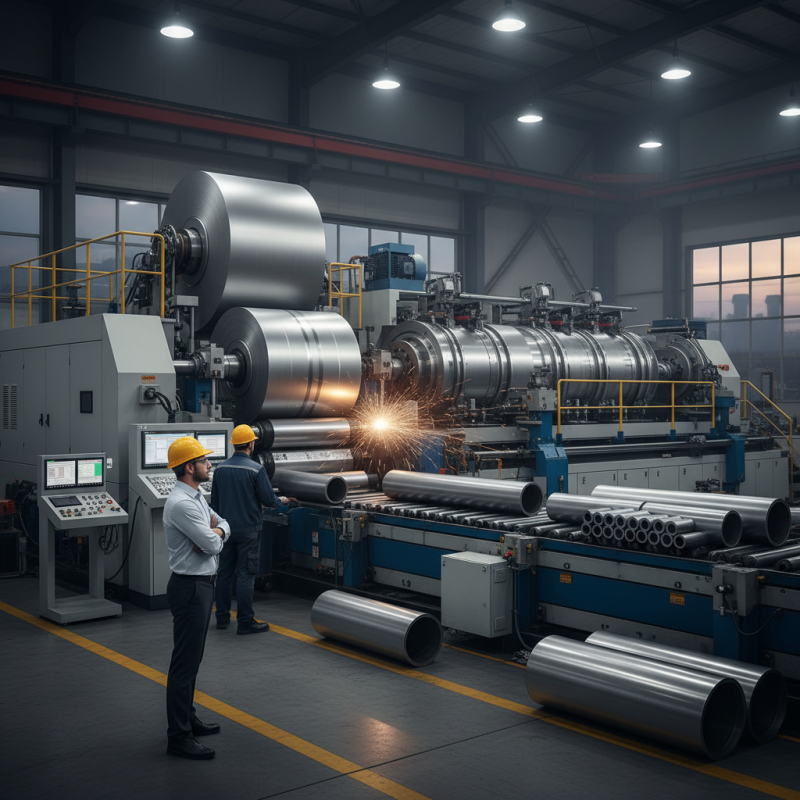
When choosing a metal Pipe Making Machine, understanding the types available is crucial. Two main types are tube mills and pipe welding machines. Tube mills are known for their precision. They create seamless pipes efficiently. Data shows that tube mills can produce up to 200 meters of pipe per minute. This speed can boost production significantly.
On the other hand, pipe welding machines are versatile. They can handle various materials and sizes. They are often preferred for smaller runs or intricate designs. Reports indicate that pipe welding machines are cost-effective for custom projects. However, they may not match the throughput of tube mills.
It’s important to analyze your production needs. Consider the materials you will use. Durability is another factor. An unsuitable machine can lead to inefficiencies. Maintenance is another aspect that often gets overlooked. Regular checks can prevent unexpected downtimes. In the end, investing time in understanding these machines pays off. Choosing the right Pipe Making Machine can elevate your production standards.
When choosing a metal pipe making machine, several key features are essential. The machine's capacity plays a crucial role. It's vital to assess both the diameter and wall thickness it can handle. For instance, research indicates that machines capable of producing pipes with a diameter range of 10mm to 300mm often yield higher productivity. This versatility attracts various industrial applications.
Another significant feature is automation. Automated systems can minimize human error and enhance efficiency. Statistics show that automated machines can reduce production time by up to 40%. However, high automation levels might demand larger initial investments. A balance must be struck between upfront costs and long-term efficiency.
Tip: Always conduct a thorough analysis of your production needs before making a decision. Analyze your short-term and long-term goals closely. Consider future expansion. Misjudging these factors can lead to costly regrets.
Quality is non-negotiable in any machine. Look for machines made from high-quality materials. They ensure longevity and dependability. However, be cautious. Some machines may appear robust but lack the performance reliability in challenging conditions. It's essential to review user feedback and expert assessments to avoid common pitfalls. Your final choice should align with both current and anticipated future requirements.
| Feature | Description | Importance |
|---|---|---|
| Material Compatibility | Ability to process various metals like stainless steel, copper, and aluminum. | High |
| Production Speed | Rate at which the machine can produce pipes, typically measured in meters per minute. | Medium |
| Automation Level | Degree of automated processes involved, affecting ease of use and labor costs. | High |
| Pipe Size Range | Variety of pipe diameters and thicknesses that can be produced. | High |
| Energy Efficiency | Energy consumption relative to production output. | Medium |
| Maintenance Needs | Frequency and complexity of maintenance required to keep the machine operational. | High |
| Cost of Operation | Overall operational costs including raw materials, energy, and labor. | High |
| Safety Features | Built-in safety mechanisms to protect operators during operation. | High |
When selecting a metal pipe making machine, production capacity and efficiency are critical factors. In the industry, machines vary significantly in output, often ranging from 50 to 200 meters per minute. Understanding your specific production needs is essential. If your project requires high-volume production, a machine with a higher capacity will be necessary. Conversely, lower capacity machines can suffice for small-scale operations.
Tips: Clearly define your target output. Evaluate how production speed aligns with your overall business goals.
Moreover, consider the efficiency of the machine. Studies indicate that improved efficiency can reduce operational costs by almost 30%. For instance, a Galvanized Pipe Making Machine with advanced technology can optimize material usage. This can lead to better profit margins. However, be cautious; high-efficiency machines often come with higher upfront costs. Balancing initial investment with long-term savings is vital.
Tips: Seek machines that offer energy-saving features. These can enhance profitability over time.
Finally, assess your space and labor resources. Machines with larger dimensions may require more personnel for operation and maintenance. This is an important consideration for companies with limited workforce capacity. Reflecting on these aspects will guide you in selecting the best machine for your specific needs.
Evaluating material compatibility is crucial in choosing the right metal pipe making machine. Different materials have distinct properties. For example, stainless steel pipes have high corrosion resistance. On the other hand, carbon steel pipes are stronger and can withstand high pressure. A report from the Metalworking Equipment Manufacturers Association highlights that over 50% of manufacturers prioritize material compatibility in their equipment choices.
Choosing the right machine can affect production efficiency and product quality. For instance, a Steel Pipe Making Machine designed for specific materials can reduce waste. A machine that doesn't suit the material may lead to defects. Quality control becomes vital here. Industry data shows that 30% of defects arise from using incorrect machinery for materials. This statistic isn't just a number; it reflects real costs and quality issues that companies struggle with.
The right equipment can streamline operations. However, not all machines perform equally well for every type of metal. Some machines may produce inconsistent results. Evaluating a machine's capabilities is not always straightforward. Manufacturers must test various materials to discover the best fit. Balancing cost and functionality is never easy or perfect. It's a learning process filled with trial and error.
When selecting a metal pipe making machine, balancing cost and quality is essential. Budget constraints can significantly impact your options. A lower price might seem appealing, but it often leads to compromises in quality. The Erw Pipe Making Machine, for instance, is a popular choice. However, even reputable models vary greatly in price. Focusing solely on initial costs could result in higher long-term expenses due to maintenance and repairs.
Consider the materials and technology used in manufacturing the machines. Some cheaper options may utilize lower-grade materials, leading to durability issues. It’s not uncommon for budget machines to have inconsistent performance. You might save upfront but lose productivity later. Be wary, as the quality of weld seams in pipe making can directly affect your finished product.
Investing wisely requires research. Read reviews and compare specifications. It’s okay if you feel overwhelmed. Assessing your specific needs can provide clarity in decision-making. Don’t overlook potential hidden costs in installation and operational expenses. Quality often pays off in the long run. Proper evaluation ensures you select a machine that meets both your budget and production goals without sacrificing performance.
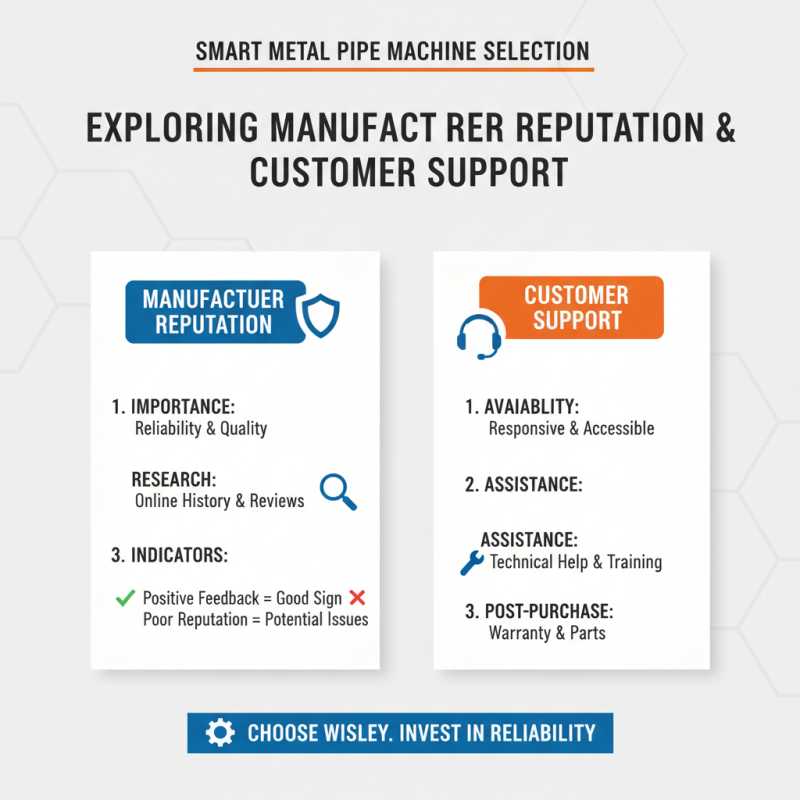
When selecting a metal pipe making machine, examining the manufacturer's reputation is vital. A strong reputation often indicates reliability and quality. You can research their history online. Look for reviews from past customers. Positive feedback can provide insight into their products and services. A poor reputation may signal potential issues.
Equally important is customer support. Before purchasing, assess how responsive the manufacturer is. Test their communication by asking questions. Are they prompt? Are they knowledgeable? Effective support ensures you can handle any issues or questions that arise later. Having a helpful support team can make a significant difference in your experience.
However, consider that not all manufacturers are perfect. Some may promise extensive support but fall short in practice. This can lead to frustration. Reflect on previous interactions. Have you been left waiting for answers? That experience might help guide your choice. Prioritize companies that demonstrate a commitment to supporting their customers even after the sale.
Maintenance and operational training for metal pipe machines is crucial for maximizing productivity. Industry reports suggest that proper maintenance can increase machine lifespan by up to 30%. Regular checks on bearings, lubricants, and alignment can prevent costly downtime. Operators often overlook these routine tasks, leading to significant operational disruption.
Training should focus on essential maintenance skills. It should include how to identify wear and tear on key components. Understanding machine specifications is vital. Employees must know when to alert supervisors about issues. Furthermore, hands-on training aids in developing troubleshooting skills. Real-world scenarios enhance learning and build confidence. Operators should frequently review maintenance protocols and update their knowledge as technology evolves.
Despite the importance, some companies fail to invest in ongoing training programs. This negligence can lead to a decrease in production efficiency. The cost of inaction is evident in increased repair costs and lost output. Regular training sessions should be considered an investment rather than an expense. Addressing these gaps is essential for long-term success in metal pipe production.
In the pursuit of maximizing efficiency and sustainability in the manufacturing of low carbon steel ERW pipes, modern Tube Mills play a crucial role. Designed specifically for producing both steel and galvanized iron pipes, these machines serve a wide array of industries, with the construction sector being a primary beneficiary. The intricate engineering behind these Tube Mills ensures they can accommodate pipe sizes ranging from Ф 8 to 32mm and thicknesses of 0.4 to 1.2mm, making them versatile for various applications.
A remarkable feature of these Tube Mills is their use of high-quality components, such as quenched bearings, which significantly extend the operational lifespan of the machines. Customized options for spare parts and machine color enhance the adaptability of these mills to specific production needs. By focusing on enhancing manufacturing processes while reducing eco-impact, the technology behind low carbon steel ERW pipe production aligns with current industry trends toward sustainability. This adaptability not only meets market demands but also promotes an environmentally efficient approach to manufacturing, essential in today's eco-conscious landscape.
: The two main types are tube mills and pipe welding machines. Tube mills are known for precision and efficiency.
Tube mills can produce up to 200 meters of pipe per minute, significantly boosting production.
Pipe welding machines are versatile and suited for smaller runs or intricate designs. They can handle various materials.
Consider production capacity, efficiency, materials used, and maintenance requirements for optimal selection.
Improved efficiency can reduce costs by nearly 30%. Choosing a machine that optimizes material use is vital.
Different materials have unique properties. Ensure the machine matches the material to avoid defects and inefficiencies.
Regular checks can prevent unexpected downtimes. Maintenance is key for avoiding production delays.
High-efficiency machines may come with higher upfront costs. Balance initial investment with expected savings.
No, evaluating a machine is often complicated. Testing various materials is essential to determine compatibility.
Yes, an unsuitable machine can lead to defects. Quality control must be taken seriously to reduce losses.
When selecting the right Metal Pipe Making Machine, it is crucial to understand the various types available in the market. Each type serves different applications, so assessing your specific needs is essential. Key features such as machine speed, precision, and automation capabilities can significantly impact your production efficiency. It's also important to evaluate the material compatibility to ensure the machine meets your production requirements effectively.
Furthermore, consider production capacity and the efficiency your operations demand. Budget considerations play a vital role, as balancing cost and quality can lead to long-term savings. Lastly, prioritize manufacturers' reputation and the level of customer support they provide, along with the availability of maintenance services and operational training. These factors collectively contribute to making an informed decision when investing in a Metal Pipe Making Machine.