In today’s competitive world of manufacturing, really optimizing your Roll Forming Tube Mill is a must if you want to keep things running smoothly and stay profitable. This process — which takes flat metal strips and turns them into tubes using a bunch of forming rolls — can really make a big difference when it comes to costs and the quality of what you produce. As more industries demand versatile, top-notch metal tubes, manufacturers are scrambling to find smarter, more efficient ways to improve their production lines.
Getting a solid grip on how a Roll Forming Tube Mill works can open up all kinds of benefits — from cutting down on waste to speeding things up and getting those tubes formed just right. In this guide, I’ll share the top 10 tips to help you get the most out of your mill. Put these into practice, and you’ll not only make your operations more streamlined, but also get a more consistent product, giving you that edge over the competition. And let’s not forget—focusing on efficiency isn’t just good for the wallet. It’s also about being more sustainable and managing resources better, which is a big deal in today’s manufacturing world.
Understanding the Roll Forming Process and Its Importance
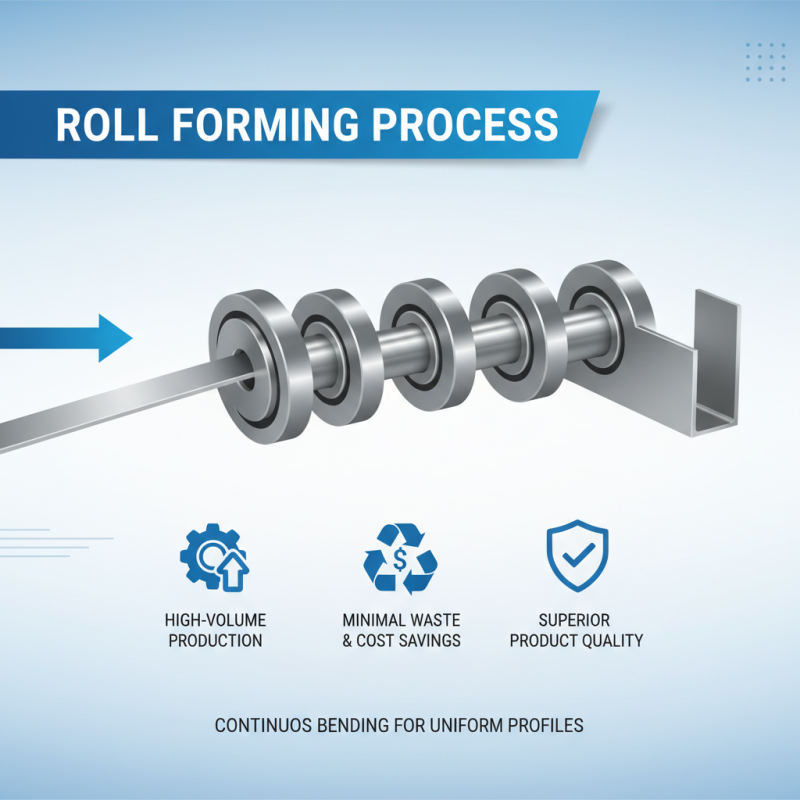
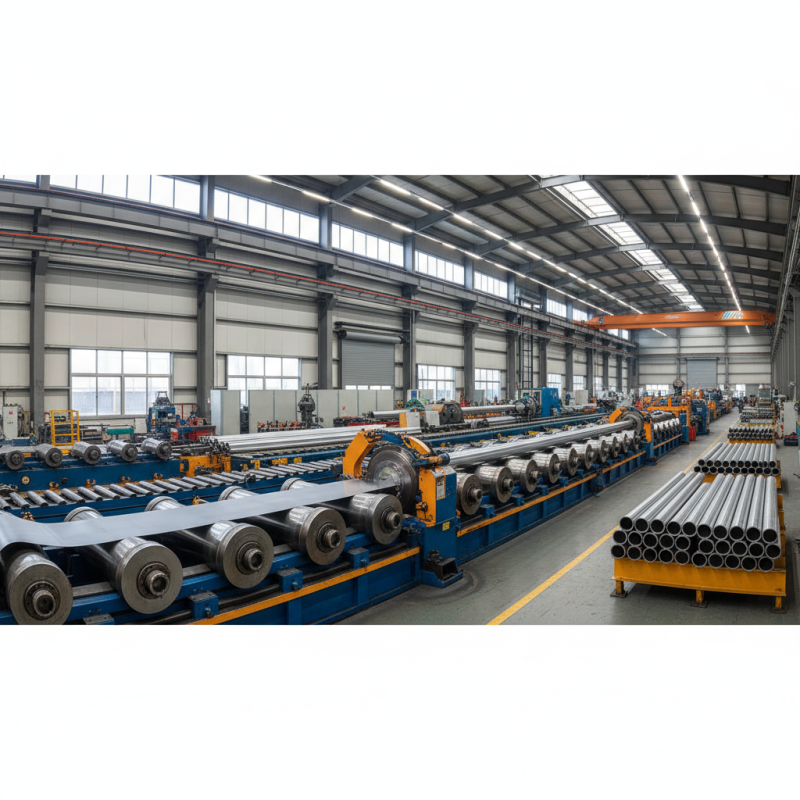
The roll forming process is a continuous bending operation in which a long strip of metal, commonly steel, is progressively shaped into a specific cross-sectional profile. This is accomplished by passing the material through a series of consecutive rollers, each designed to incrementally change the shape of the metal. The importance of understanding this process cannot be overstated, as it directly impacts the efficiency and effectiveness of manufacturing operations. Properly executed roll forming allows for high-volume production with minimal waste, resulting in cost savings and superior product quality.
In addition to its economic advantages, mastery of the roll forming process can enhance product performance and durability. The precision of the formed shapes ensures that components meet stringent specifications required for various applications, from construction to automotive industries. Understanding the intricacies of material selection, roller alignment, and process parameters allows operators to fine-tune their mills for optimal output. As such, investing time and resources into comprehensively understanding the roll forming process is essential for any manufacturer aiming to achieve high operational efficiency and maintain a competitive edge in the market.
Key Components of a Roll Forming Tube Mill
A roll forming tube mill consists of several key components that work in harmony to ensure optimal performance and efficiency. The heart of the tube mill is its roll forming section, which includes a series of rollers that shape the metal into a desired profile. Each roller is specifically designed to form the metal progressively, maintaining uniform thickness and alignment. The design and precision of these rollers can significantly impact the quality of the finished product, making it essential to regularly check for wear and alignment.
Another critical component is the welding system, which operates at the point where the edges of the formed strip come together. This system can utilize various welding methods, such as high-frequency induction welding or TIG welding, depending on the material and application. Proper maintenance of the welding equipment is vital, as it directly influences the integrity and strength of the welded tube. Additionally, the tube mill’s cut-off section is crucial for ensuring that every tube is produced to the exact required length, further enhancing the overall efficiency of the operation. By focusing on these essential components and their maintenance, manufacturers can significantly optimize their roll forming tube mill efficiency.
Factors Affecting the Efficiency of Tube Mill Operations
The efficiency of tube mill operations is influenced by a variety of factors that can significantly impact production rates and product quality. One primary consideration is the alignment and setup of the roll forming machinery. Misalignment can lead to increased friction and wear, resulting in higher energy consumption. According to a report by the Association of Steel Tube and Pipe Producers, optimizing alignment can improve operational efficiency by up to 20%, thereby reducing downtime and maintenance costs.
Another critical factor is material quality and preparation. The integration of advanced material handling systems that ensure proper feeding and pre-treatment of raw materials can enhance the flow through the mill. A study published in the Journal of Manufacturing Processes indicates that using high-quality raw materials and precise pre-rolling processes can lead to a reduction in scrap rates by approximately 15%. This not only boosts overall output but also contributes to sustainability efforts by minimizing waste.
Moreover, the implementation of real-time monitoring systems can provide valuable data on machine performance and product specifications. An industry analysis by the International Tube Association highlights that companies employing such technologies report a 25% improvement in operational visibility. This allows for prompt adjustments to be made in response to any inefficiencies, thereby maintaining high productivity levels and ensuring consistent product quality.
Top 10 Essential Tips for Optimizing Your Roll Forming Tube Mill Efficiency
| Tip |
Description |
Impact on Efficiency (%) |
Frequency of Implementation |
| Regular Maintenance |
Conduct regular inspections and maintenance of the machine. |
15% |
Monthly |
| Material Quality |
Use high-quality raw materials to reduce defects. |
20% |
Always |
| Employee Training |
Provide regular training for operators on machinery and processes. |
25% |
Quarterly |
| Process Optimization |
Continuously review and refine production processes. |
30% |
Weekly |
| Lubrication |
Ensure proper lubrication of moving parts. |
10% |
Weekly |
| Temperature Control |
Monitor and adjust temperature during forming processes. |
15% |
Constantly |
| Downtime Reduction |
Identify and minimize causes of downtime. |
40% |
Ongoing |
| Inventory Management |
Maintain optimal inventory levels for raw materials. |
5% |
Monthly |
| Waste Reduction |
Implement strategies to minimize scrap and waste. |
10% |
Weekly |
| Feedback Loop |
Establish feedback mechanisms for continuous improvement. |
10% |
Bi-weekly |
Implementing Regular Maintenance and Inspection Practices
Regular maintenance and inspection practices are vital for ensuring the efficiency of roll forming tube mills. Consistent and thorough inspections can help identify potential issues before they escalate into costly repairs or downtime. Establishing a routine that includes checking critical components, such as the forming rolls, motors, and bearings, can significantly reduce the risk of unexpected failures. Technicians should be trained to identify wear and tear, and regular lubrication of moving parts not only extends the lifespan of the equipment but also enhances operational efficiency.
In addition to routine inspections, implementing a structured maintenance schedule can optimize production workflows. This involves planning downtime for maintenance tasks during periods of low demand, which minimizes disruption in output. By documenting maintenance activities, operators can track performance trends and adjust schedules proactively. Furthermore, understanding the typical wear patterns of components allows for better inventory management of spare parts, ensuring that necessary replacements are readily available when needed. Overall, a commitment to regular maintenance practices fosters a more productive and reliable roll forming process.
Utilizing Advanced Technology for Performance Monitoring
Utilizing advanced technology for performance monitoring in roll forming tube mills is a critical aspect for enhancing operational efficiency. By deploying real-time data analytics and machine learning algorithms, manufacturers can gain valuable insights into the performance of their equipment. This approach allows for continuous monitoring of key parameters such as material tension, roll alignment, and speed. Through predictive maintenance, potential issues can be identified before they escalate into costly downtime, ensuring a smoother production process.
Incorporating advanced sensors and IoT (Internet of Things) technology further bolsters performance monitoring capabilities. These sensors can track various metrics like temperature, vibration, and throughput rates, transmitting data to a centralized system for analysis. As a result, operators can make informed decisions quickly, optimizing settings and making adjustments on-the-fly. This not only maximizes efficiency but also enhances product quality by minimizing defects. By embracing these cutting-edge technologies, roll forming tube mills can significantly improve their operational workflows and maintain a competitive edge in the market.
Top 10 Essential Tips for Optimizing Your Roll Forming Tube Mill Efficiency
Optimizing Material Selection for Enhanced Production Efficiency
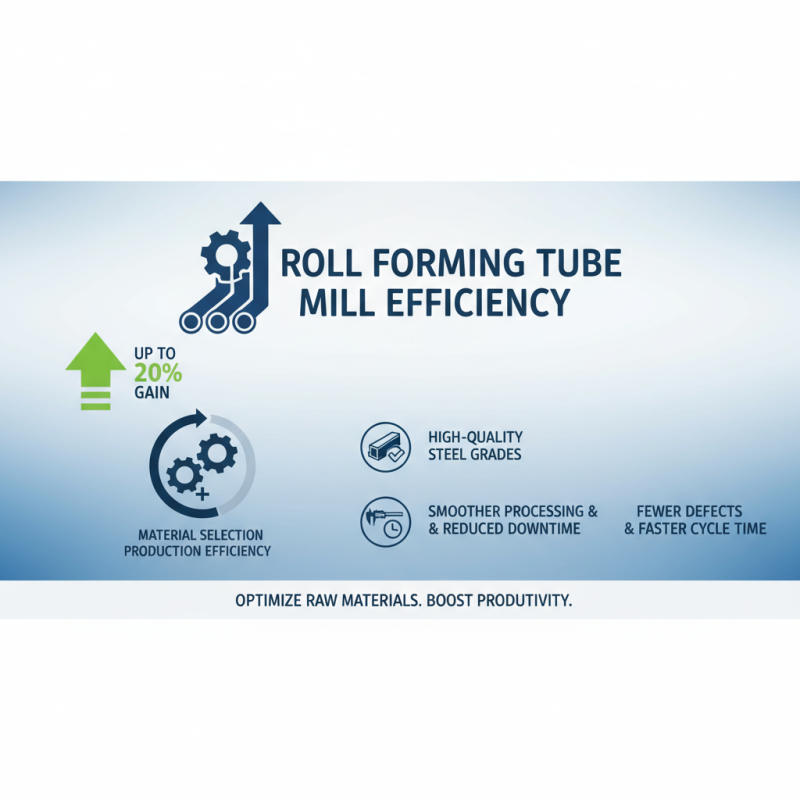
When it comes to optimizing the efficiency of roll forming tube mills, material selection plays a crucial role that often goes overlooked. Key industry studies indicate that the choice of raw materials can impact production efficiency by as much as 20%. Utilizing high-quality steel grades not only enhances the durability of the final product but also allows for smoother processing and reduced downtime due to fewer defects and failures. For instance, steel with optimal yield strength and tensile properties can lead to fewer adjustments during the forming process, ultimately decreasing cycle time.
In addition, understanding the specific requirements of the production process can guide manufacturers in selecting materials that align with their operational goals. A report from the Manufacturing Institute suggests that tailored alloys and coatings, designed for particular applications, can enhance the corrosion resistance of the tubes, increasing their lifespan and reducing maintenance costs. Moreover, proper material selection aids in achieving the desired thickness and consistency, ensuring uniformity throughout production, which is crucial for maintaining throughput and achieving optimal efficiency levels. By leveraging advanced material science in the selection process, companies can significantly boost their roll forming tube mill performance and overall productivity.
Streamlining Workflow and Setup Procedures for Speed and Accuracy
Streamlining workflow and setup procedures is crucial for enhancing the efficiency of roll forming tube mills. One of the primary strategies to achieve this is by establishing standardized processes for machine setup. This involves creating detailed documentation of the setup steps, measurements, and specifications for different tube sizes and shapes. By having a clear reference guide, operators can significantly reduce the time spent on setups and minimize the potential for errors that can disrupt production. Implementing a systematic approach to changeovers ensures that transitions between production runs are quick and efficient.
Another key element in optimizing workflow is effective training for operators. Ensuring that all team members are well-versed in both the machinery and the production processes not only boosts confidence but also empowers them to troubleshoot issues on-the-fly. Regular training sessions can be scheduled to cover new techniques, safety procedures, and best practices, fostering a culture of continuous improvement. Additionally, utilizing visual aids and process mapping can help to visually communicate complex procedures, making it easier for operators to adhere to the established workflow.
Finally, investing in tools that support quick adjustments during operation can further streamline processes. This includes automated controls and feedback systems that allow for real-time monitoring and adjustments, ensuring that any deviations are promptly corrected. By leveraging technology and focusing on operator efficiency, roll forming tube mills can achieve greater speed and accuracy, ultimately leading to improved productivity and reduced operational costs.
Innovative Applications and Benefits of Steel Tube Making Machines with Horizontal Accumulators in Modern Manufacturing
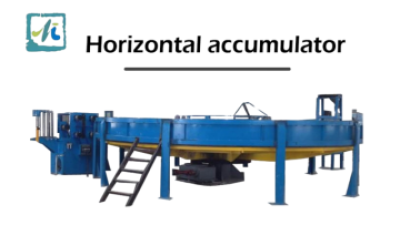
The innovative applications of steel tube making machines with horizontal accumulators have significantly transformed modern manufacturing processes. These machines play a crucial role in enhancing production efficiency and ensuring seamless operations. By effectively storing a predetermined amount of steel strip, horizontal accumulators ensure that the main machine remains supplied with the necessary materials during the crucial head and end welding stages. This uninterrupted supply is vital for maintaining continuous production, mitigating delays, and maximizing throughput.
In addition to increasing productivity, the integration of horizontal accumulators in steel tube manufacturing machines also contributes to improved workflow and reduced operational costs. By allowing the main machine to operate without frequent pauses for material reloading, manufacturers can reduce downtime and enhance overall efficiency. Furthermore, the ability to regulate the steel strip supply helps optimize material usage, minimizing waste and promoting sustainable manufacturing practices. As industries continue to evolve and strive for greater efficiency, the adoption of these advanced machines with horizontal accumulators is poised to play an even more significant role in shaping the future of manufacturing.
FAQS
: The roll forming section shapes the metal into the desired profile using a series of rollers that progressively form the metal while maintaining uniform thickness and alignment.
Misalignment can increase friction and wear, leading to higher energy consumption and potentially reducing operational efficiency by up to 20%, which can increase downtime and maintenance costs.
The welding system is crucial as it joins the edges of the formed strip, and its proper maintenance affects the integrity and strength of the welded tube.
High-quality materials and efficient pre-treatment processes can enhance the mill's flow and reduce scrap rates, potentially boosting overall output and supporting sustainability by minimizing waste.
These systems provide valuable data on machine performance and product specifications, helping companies achieve a 25% improvement in operational visibility and allowing for timely adjustments to maintain productivity and product quality.
Regular checking for wear and alignment of the rollers is essential because it directly impacts the quality of the finished product and the overall efficiency of the tube mill.
The cut-off section ensures that each tube is produced to the exact required length, which enhances the overall efficiency of the operation.
Optimizing alignment can reduce friction and energy consumption, leading to lower operational costs and decreased maintenance expenses.
Various welding methods can be used, including high-frequency induction welding and TIG welding, depending on the specific material and application involved.
Integrating advanced material handling systems ensures proper feeding and preparation of raw materials, which can enhance production flow, reduce scrap rates, and improve sustainability efforts.
Conclusion
The article "Top 10 Essential Tips for Optimizing Your Roll Forming Tube Mill Efficiency" offers valuable insights into enhancing the performance of Roll Forming Tube Mills through a comprehensive understanding of the roll forming process and its significance. Key components essential for the operation of a tube mill, including factors that impact efficiency, are thoroughly examined.
To boost productivity, it emphasizes the importance of regular maintenance and inspection practices, which prevent downtime and maintain optimal functionality. Furthermore, the article discusses the role of advanced technology in performance monitoring, advocating for informed decision-making based on real-time data. Material selection for enhanced production efficiency is highlighted, alongside methods to streamline workflow and setup procedures, ultimately ensuring speed and accuracy in tube mill operations.