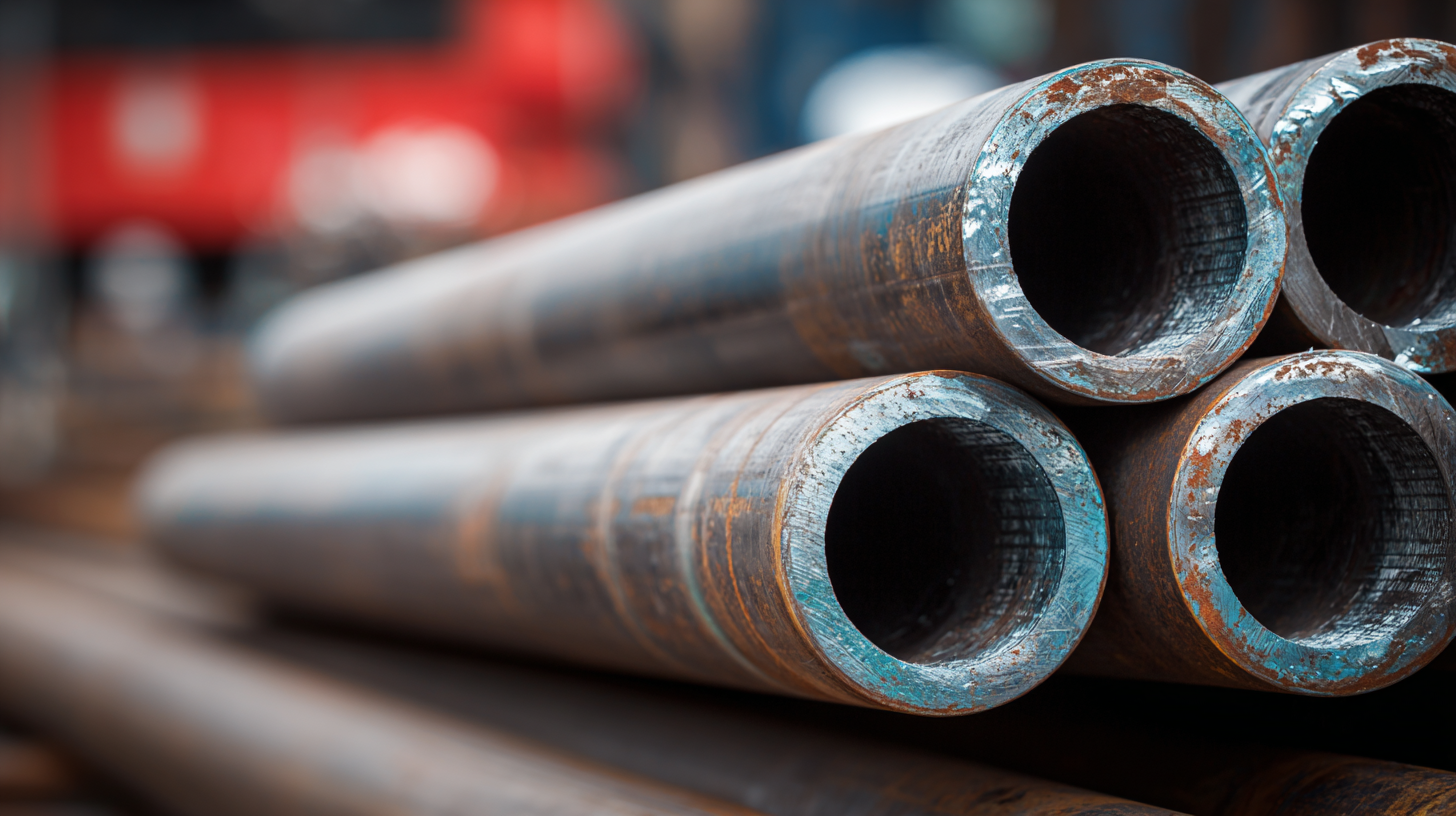
 Looking ahead to the future of Steel Tube applications, the latest insights from the 2023 Market Trends Report show a pretty exciting and ever-changing scene driven by innovation and a focus on sustainability. Steel Tubes are still a key player across many industries — think construction, auto, and energy sectors. And, if current trends hold, the market’s expected to hit about $120 billion by 2026, growing at a steady 5.3% annually since 2021.
Yangzhou Mivi Machinery Manufacturing Co., Ltd., with more than 20 years under their belt, is right at the forefront of this evolution. As a big name in the tube mill industry, Mivi is all about providing reliable products and top-notch service. They’ve built a solid reputation worldwide by sticking to quality and innovation. By constantly adapting to market shifts, Mivi isn’t just keeping up — they’re helping shape the future of Steel Tube technology, paving the way for some really exciting applications in the years to come.
Emerging Technologies Revolutionizing Steel Tube Manufacturing Processes
The way steel tube applications are advancing these days is really driven by new technologies shaking up how we manufacture things. As mentioned in the 2023 Market Trends Report, stuff like automation, AI, and advanced materials science are making production smoother, boosting quality, and even cutting down costs. These tech breakthroughs don’t just make processes more efficient—they also open the door to customizing steel tubes for all sorts of industries, like automotive, construction, and energy sectors.
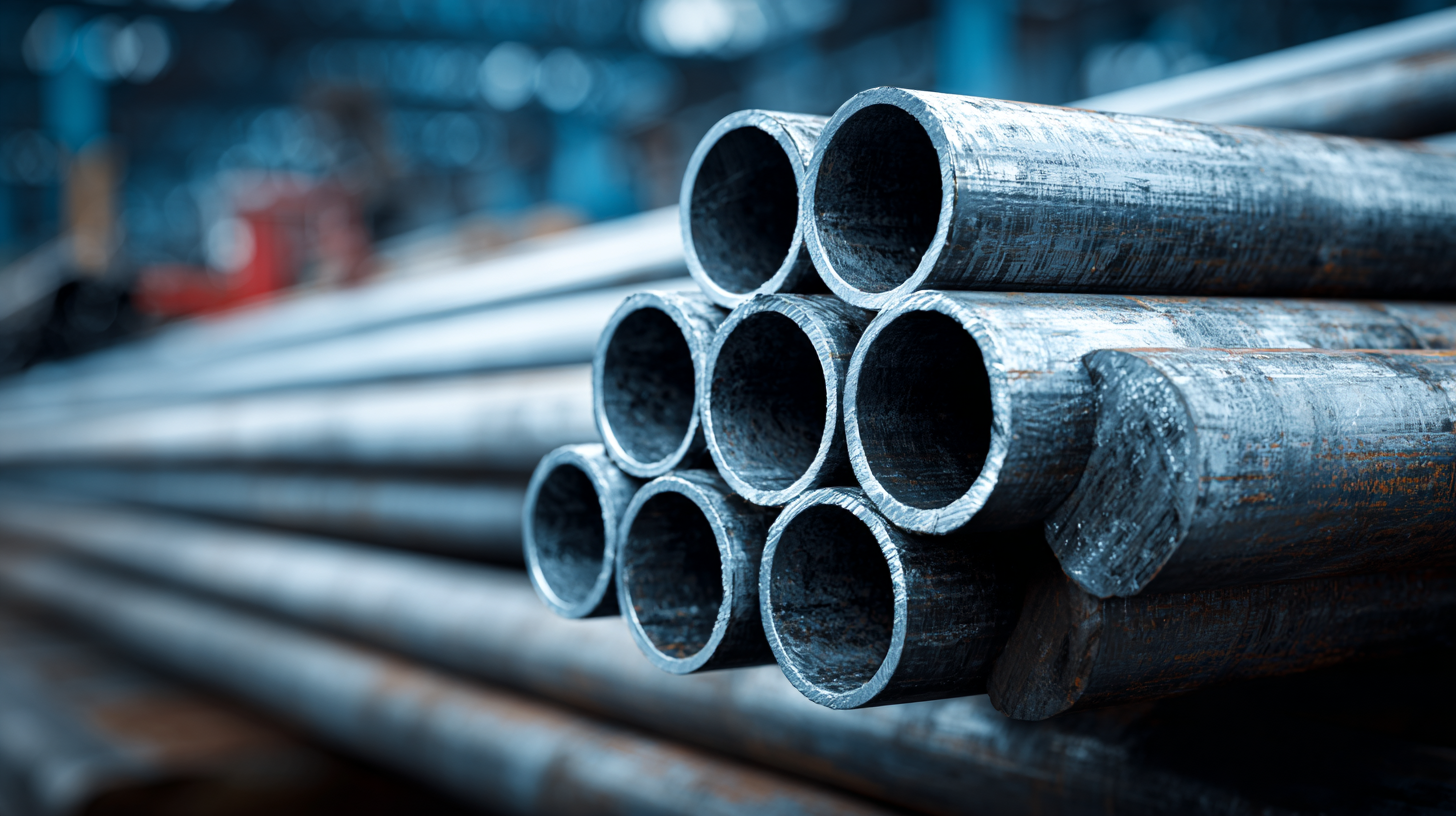
Here at Yangzhou Mivi Machinery Manufacturing Co., Ltd., we’re lucky enough to be right in the middle of these exciting changes. With over 20 years under our belt in the tube mill game, Mivi has become a trusted name worldwide. We focus on mixing the latest tech into our manufacturing—stuff that keeps us competitive and ready to meet what the market needs. By jumping on these innovations early, we’re set to support the evolving world of steel tubes, offering top-notch solutions that really work for our customers today and down the road.
Key Market Drivers Influencing Steel Tube Demand in 2023
So, the market for seamless stainless steel pipes is really looking up.
Experts are saying it could hit around USD 5.15 billion by 2030.
This growth makes a lot of sense because more and more industries—think construction,
oil and gas, even automotive—are turning to stainless steel.
It’s super versatile, resists rust and corrosion, and basically checks all the boxes for companies wanting materials that last and perform well as market needs keep changing.
On top of that, the global market for structural steel tubes is also booming.
It’s expected to jump from about USD 105.3 billion in 2023 all the way up to roughly USD 167.5 billion by 2033.
That’s a big jump, and honestly, it’s fueled by new infrastructure projects popping up everywhere and a big push for more eco-friendly, sustainable building methods.
As industries chase better efficiency and longer-lasting structures, the demand for high-quality, corrosion-resistant steel tubes is just climbing.
So, this segment is definitely on an upswing.
And let’s not forget the U.S. market for metal pipes and tubes—they’re expecting it to grow from around USD 17.5 billion in 2024 to about USD 26 billion by 2032.
That’s a solid growth rate of around 5.2% each year.
It really shows how industries are leaning into modernized piping solutions and adopting cutting-edge manufacturing tech.
Overall, people are investing more in innovative materials and smarter production processes across the board, which is pretty exciting to watch.
Sustainable Practices and Their Impact on Steel Tube Applications
So, the steel tube industry is really going through some big changes these days, especially as more companies start focusing on sustainability. The 2023 Market Trends Report shows that everyone’s putting more emphasis on eco-friendly methods in how they make stuff. Recycling and switching to renewable energy are becoming pretty much the norm now — not just for cutting down on carbon emissions, but also to save money on operations. It’s a smart move, especially with stricter environmental rules coming from regulators, which are really pushing manufacturers to get creative and improve their practices.
On top of that, these green practices are actually influencing how steel tubes are designed and used. Manufacturers are now working on creating lighter yet still super tough steel tubes that tick all the boxes — performance and environmental impact included. This is opening up all sorts of new opportunities in industries like construction, automotive, and infrastructure, where being efficient and eco-friendly is more important than ever. Honestly, it’s pretty exciting to see how tech innovation and environmental responsibility are shaping the future of steel tubes — it’s clear that sustainability is heading to the front and center of industry standards now.
Exploring the Future of Steel Tube Applications
This chart illustrates the projected growth of various steel tube applications in the next five years, highlighting the increasing demand for sustainable practices. The data reflects the percentage increase in applications such as construction, automotive, and renewable energy sectors.
Competitive Landscape: Major Players in the Steel Tube Industry
The steel tube industry is really shaking up lately, with some pretty exciting developments happening as market conditions shift. From what I’ve seen recently, the global steel tube market is heading for some serious growth. It’s expected to hit around $40.5 billion in 2024, then bump up to about $43.1 billion by 2025, and by 2032, we’re talking a huge jump—up to roughly $61.4 billion. This really shows how much demand there’s for steel tubes across different sectors like construction, energy, and manufacturing.
Big players in the game aren’t just sitting still either—they’re stepping up their efforts by leveraging new tech and ramping up production. Take the U.S. galvanized steel market, for example—it’s projected to grow from $16.88 billion in 2023 to over $20 billion by 2029, driven by more people wanting durable, corrosion-resistant materials for construction and infrastructure projects. And it’s not just that— niches like the carbon steel pipe market, especially for oil and gas stuff, are also on the rise. By 2025, that market’s expected to reach around $5.62 billion, growing at about 3.5% annually through 2033. As the competition gets fiercer, it’s clear that innovation and smart partnerships are going to be key to shaping where all this heads next.
Exploring the Future of Steel Tube Applications: Insights from the 2023 Market Trends Report
| Application Area |
Market Growth Rate (%) |
Key Drivers |
Challenges |
| Construction |
4.2 |
Urbanization, Infrastructure Development |
Raw Material Costs, Sustainability Compliance |
| Automotive |
3.8 |
Lightweighting, Electric Vehicles |
Regulatory Standards, Market Volatility |
| Energy |
5.0 |
Renewable Projects, Demand for Oil & Gas |
Technological Advances, Geopolitical Issues |
| Manufacturing |
2.9 |
Automation, Industry 4.0 |
Intense Competition, Labor Shortages |
| Aerospace |
6.1 |
Increased Air Travel, Advancements in Materials |
High Production Costs, Regulatory Compliance |
Innovative Uses of Steel Tubes Across Different Sectors
The steel tube industry is really going through a big change lately. There are some pretty exciting new applications popping up across different sectors. Lately, it feels like everyone’s talking about infrastructure — I mean, just look at how a leading steel tube company is planning to set up a new plant in Odisha. That move kinda shows how in-demand high-quality steel tubes are these days, especially in construction, transportation, and energy projects. Industry experts are saying the global steel tube market could hit around $200 billion by 2025, thanks to tech improvements and more investments into big infrastructure projects.
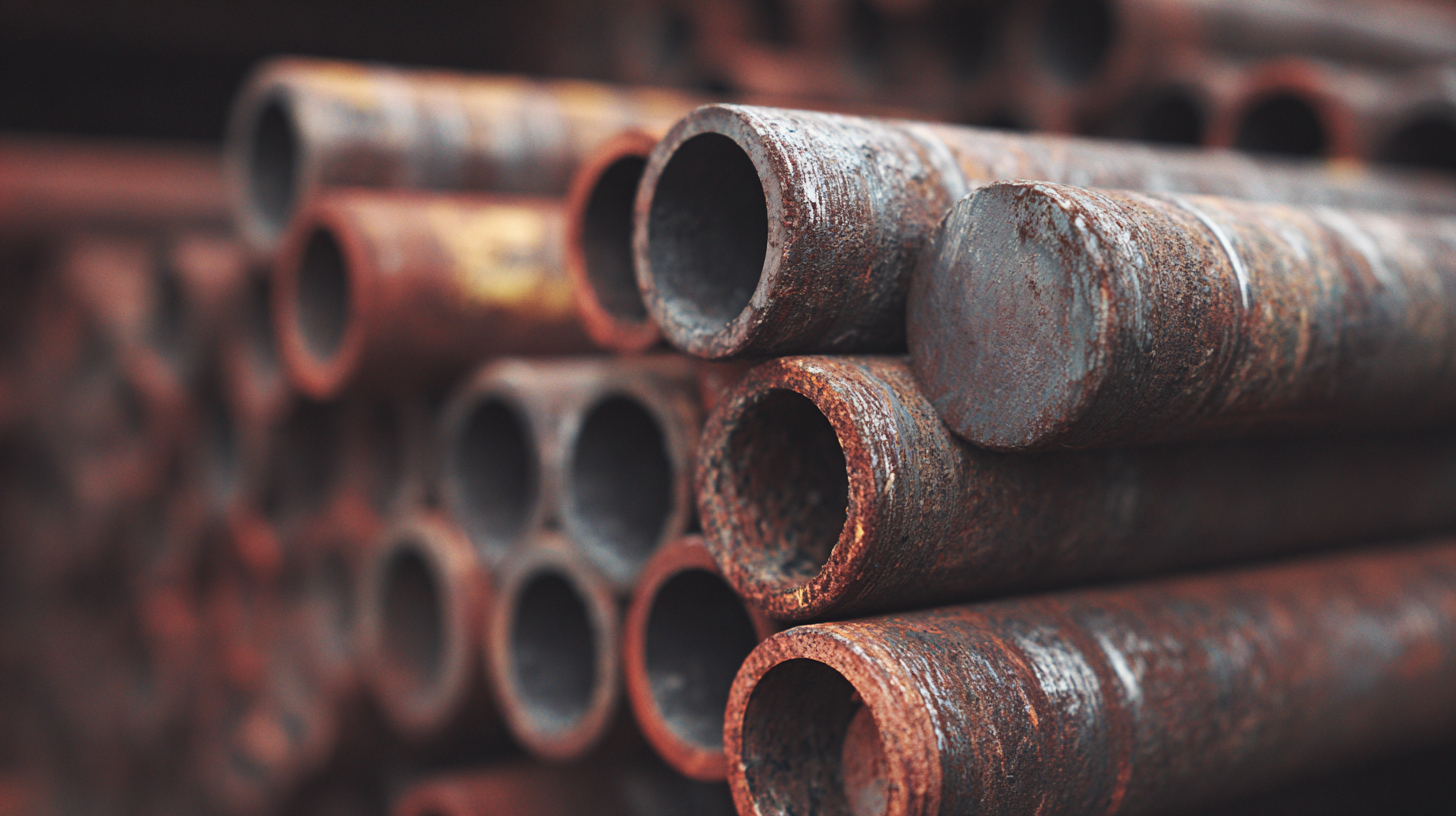
On top of that, steel tubes are proving how flexible they can be—stuff like these new hybrid connection designs in precast structures are pretty cool. Studies suggest that using welding-spliced steel tubes can not only make buildings more solid but also speed up construction and maybe even save some cash. With governments pushing to revitalize public works and commercial developments, the versatility of steel tubes is really coming into focus, especially for things like oil and gas well lining or renewable energy setups. And with tariffs pushing up manufacturing costs, getting creative with steel tube applications is becoming more crucial to stay competitive out there.
Future Challenges and Opportunities in the Steel Tube Market
The steel tube market is definitely heading into some exciting, but challenging, times over the next few years. On one hand, there's a big push towards sustainability that everyone’s feeling. With tougher environmental rules coming from all directions, steel manufacturers are gonna have to get creative to cut down their carbon emissions. That means stuff like switching to electric arc furnaces or using new carbon capture tech — which sounds great, but also requires hefty investments and a lot of retraining workers. It’s a bit of a juggling act, for sure.
But hey, it’s not all doom and gloom. There’s a ton of opportunities out there too, especially with renewable energy, like wind and solar projects, booming right now. That means demand for strong, lightweight steel tubes is going to rise, opening up new avenues for producers to expand their product lines. Plus, as construction and infrastructure projects get more advanced and innovative, the need for specialized steel tubes is only going to grow. All in all, this industry’s got loads of potential for growth — if companies can keep up with all these changes and adapt along the way.
FAQS
: Companies in the steel tube industry are increasingly prioritizing recycling and the use of renewable energy sources in their production processes to reduce carbon footprints and lower operational costs.
The adoption of sustainable practices has led manufacturers to explore the development of lightweight yet durable steel tubes that meet both performance and environmental criteria.
Innovative applications of steel tubes are emerging in sectors such as construction, automotive, and infrastructure, driven by the demand for efficiency and sustainability.
The global steel tube market is projected to reach USD 200 billion by 2025, fueled by advancements in technology and increased investment in infrastructure projects.
The industry faces challenges from tightening global environmental regulations, which require steel manufacturers to innovate and reduce carbon emissions.
The growth of renewable energy sectors, such as wind and solar power, is creating a surge in demand for robust and lightweight steel tubes, offering manufacturers new opportunities to diversify.
Advanced production techniques like electric arc furnaces and carbon capture technologies are essential for reducing emissions but also pose challenges related to investment and workforce retraining.
Hybrid connections using welding-spliced steel tubes can enhance structural integrity and streamline assembly processes, potentially reducing costs and construction time.
The adaptability of steel tubes is being showcased through innovative designs that can meet the demands of various sectors, highlighting their versatility.
Tariffs are impacting production costs, making innovative uses of steel tubes vital for maintaining competitiveness in the market.
Conclusion
Hey, I just read this article called 'Exploring the Future of Steel Tube Applications,' and I gotta say, it offers some pretty interesting insights into where the steel tube industry is headed, based on the 2023 Market Trends Report. It really dives into how new technologies are shaking things up—making manufacturing more efficient and eco-friendly, which is pretty cool if you ask me. The piece also talks about what’s driving the demand for steel tubes these days, especially with all the innovative ways we’re now using this essential material across different industries. It feels like we’re moving into a future where steel tubes are being used in some pretty cutting-edge applications.
On top of that, the report takes a look at the competitive scene, mentioning major players like Yangzhou Mivi Machinery Manufacturing Co., Ltd.—they’re really leading the charge in tube mill production. And it doesn’t stop there; it also touches on the challenges and opportunities lying ahead for the market. A big takeaway is how important it’s becoming to adopt sustainable practices if companies want to stay ahead and meet the changing needs of customers around the world.


