request to quote
Leave Your Message
0%

Choosing Tube Mill consumables in 2026 isn't just about comparing prices anymore. You really need to consider things like strip grade, wall thickness, welding speed, coolant quality, and overall production volume — all of these things can impact how long your tools last. For instance, a forming roll that handles mild steel well might not hold up on high-strength grades. And those tiny surface marks? They can turn into costly rejects if you're not careful.

Looking at the bigger picture, the World Steel Association reported a whopping 1,888.2 million tonnes of crude steel produced globally in 2023. That’s a huge scale, which puts a real squeeze on every hour of production. Plus, the International Energy Agency points out that steelmaking is one of the biggest industrial sources of carbon emissions. So, investing in longer-lasting tooling isn't just about saving money — it’s also about making your process more efficient and eco-friendly. Now, these reports don’t talk directly about consumables, but they do highlight why paying attention to wear, downtime, and material waste is super important.

Robert A. Sladky from Roll-Kraft put it nicely when he said, “Tooling performance starts with understanding the strip, not just buying the hardest steel.” That really hits home, especially when it comes to tube mill consumables. Hardness alone doesn’t tell the whole story. You’ve gotta look at stuff like roll geometry, surface finish, bearing health, lubrication, and even how often you change things over. And don’t forget, always ask for test results — don’t just rely on marketing hype.

In the real world, the best setup is probably a mix of hardened forming rolls, properly specified weld tooling, dependable cutoff blades, and a solid routine for inspections. But hey, there’s no one-size-fits-all solution. A supplier’s recommendation might seem reasonable, but it’s crucial to compare that against your actual production data. How many meters are you getting out of each tool? Is your edge quality consistent? How often do you need replacements or experience unexpected stoppages? The decision needs to be based on what’s actually happening at your mill, not just ideal lab conditions. That’s where experience really counts, and even then, sometimes you need to revisit your choices down the line — nothing’s set in stone.
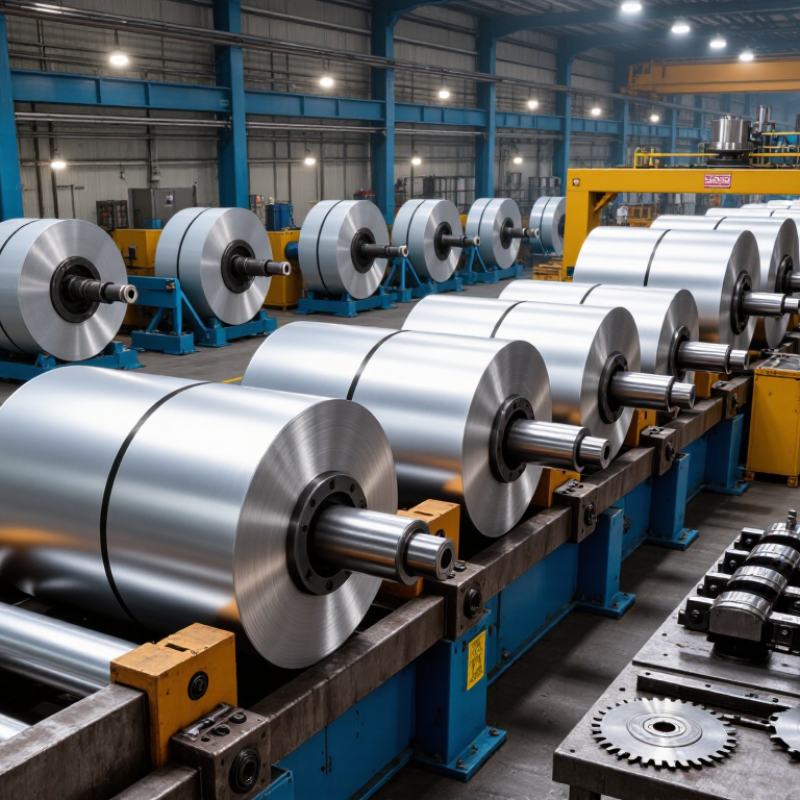
How to Choose Tube Mill Consumables in 2026?

Define Tube Mill Consumables by Process Stage and Product Specification

How to Choose Tube Mill Consumables in 2026?

Define Tube Mill Consumables by Process Stage and Product Specification

In 2026, selecting tube mill consumables starts with the process stage, not the supplier catalogue. A High Frequency Tube Mill needs different parts for forming, welding, sizing, and cutting. Forming rolls must match strip width, thickness, yield strength, and bend radius. Welding electrodes and impeder components must tolerate heat, pressure, and electrical wear. At the sizing stage, roll geometry controls outside diameter and straightness. Small profile errors can become visible after several passes.

Product specifications should be written beside each consumable. Record material grade, hardness, surface finish, dimensional tolerance, cooling method, and expected service life. For thin-wall tubing, excessive roll hardness may mark the surface. For high-strength steel, soft tooling can wear quickly and shift the weld position. Carbide guides may resist abrasion, while a carefully finished steel guide can suit a less aggressive line. The cheaper choice is not always economical.

Check actual production data before changing tooling. I compare scrap patterns, amperage, vibration, and edge condition during trial runs. A glowing weld seam may indicate poor alignment, unstable impedance, or inadequate cooling. This is where experience matters. Yet experience can mislead. A setup that worked last year may fail with a new steel grade. Keep inspection records, verify dimensions after major changes, and question assumptions before ordering a full set of consumables. Measure twice. Then adjust one variable.

Match Roll Materials to Steel Grades, Yield Strength, and Forming Loads

In a Welded Tube Mill, roll material must follow the steel grade, not only the tube size. WorldAutoSteel’s Advanced High-Strength Steel Application Guidelines lists automotive grades reaching about 1,500 MPa tensile strength. Their higher yield strength increases springback, contact pressure, and forming demand.

For mild steel near 250 MPa yield strength, hardened tool steel can provide a practical balance of toughness and cost. When processing 600–980 MPa steel, powder metallurgy tool steel or carbide-faced rolls may reduce scoring and edge damage. Ultra-high-strength grades require tighter pass alignment, larger entry radii, and controlled reductions. Carbide improves wear resistance, but it can chip when alignment is poor.

Watch the roll surface closely. A bright longitudinal line often shows sliding or trapped scale. Small edge cracks may signal excessive forming load. ASTM A1008 and A1011 data also show that strength and formability vary widely within commercial steel families, so one roll recipe cannot fit every coil. The World Steel Association reported 1.89 billion tonnes of crude steel production in 2023, reflecting a very broad mix of grades and mill conditions.

Do not trust hardness alone. A harder roll is not automatically better. In practice, I would confirm yield strength, strip thickness, lubrication, and pass-line accuracy before selecting carbide or tool steel. My earlier selections sometimes overvalued wear resistance. That mistake increased chipping and downtime. Trial sections and load monitoring remain essential.

Select HF Welding Consumables for 100–500 kHz Operating Frequencies

How to Choose Tube Mill Consumables in 2026?

Selecting HF welding consumables for 100–500 kHz requires more than matching a frequency label. Tube diameter, wall thickness, steel grade, line speed, and output power all affect performance. In a Steel Tube Mill, contact tips should maintain stable electrical conductivity under heat and pressure. Copper alloys with suitable hardness can reduce deformation, but excessive hardness may accelerate surface wear. Check the actual weld zone temperature, not only the machine display.

At 100–250 kHz, larger contact areas may support stable current transfer on heavier walls. At 300–500 kHz, compact tips and accurate alignment often become more important for smaller tubes and faster lines. Impeders should match the tube diameter and cooling conditions. Ferrite cores with consistent permeability can improve current concentration, while poor cooling may cause cracking or unstable weld edges. Keep ceramic supports clean. Tiny metal dust matters.

Practical selection should follow production records, not guesswork. Measure tip wear after each shift, inspect ferrite damage, and record changes in weld energy. A useful starting point is often imperfect. We once selected a durable contact material that lasted well but produced minor marking on the strip. The lesson was uncomfortable: longer life did not mean better process control. Trial small batches, compare weld strength and surface finish, then adjust pressure, cooling, and consumable geometry together. Safety guards and electrical isolation must remain part of every maintenance check.

Choose Coolants by Concentration, Viscosity, and Corrosion-Control Targets

How to Choose Tube Mill Consumables in 2026?

Coolant selection should begin with concentration, not price. In 2026, tube mills face tighter quality demands and more variable water conditions. Start by checking the coolant supplier’s recommended operating range. Then measure the mixture with a calibrated refractometer during every shift. A cloudy sample, sharp odor, or unstable foam can signal poor control. Small changes matter.

Low concentration may increase weld discoloration, tool wear, and rust on carbon steel surfaces. Excessive concentration can leave sticky residue and raise cleaning costs. Keep a written log beside the mill. Record concentration, water hardness, temperature, and replenishment volume. Operators often adjust by instinct. That habit is convenient, but not always reliable.

Viscosity must match the forming speed and contact pressure. A thinner coolant can improve drainage at high line speeds. A slightly heavier film may protect rolls during demanding forming work. Test the fluid at operating temperature, not only in a cool storage drum. Corrosion control also needs a measurable target. Inspect strip edges, roll shoulders, and the inside of recently produced tubes. Compare results after twenty-four hours, not immediately.

Use small trial batches before changing the full system. Confirm that the coolant does not attack seals, coatings, or downstream cleaning equipment. One overlooked detail is water quality. Hard water can weaken performance and create deposits. There is no perfect setting. Mill conditions change, and the first adjustment may be wrong. Review the evidence, then correct it.

How to Choose Tube Mill Consumables in 2026?

Choose Coolants by Concentration, Viscosity, and Corrosion-Control Targets

The chart presents practical screening targets for water-miscible tube-mill coolants. Light forming commonly uses a lower concentration, while heavy forming and high-reduction operations require higher lubricity. Viscosity refers to the coolant concentrate at 40°C; corrosion control is represented by the operating pH of the diluted mixture. Always confirm the final setting with the coolant technical data sheet, water quality, and mill trials.

Specify Cutting Blades Using Tube OD, Wall Thickness, and Line Speed

How to Choose Tube Mill Consumables in 2026?

Cutting blades should be specified from three operating facts: tube outside diameter, wall thickness, and line speed. A Tube Mill Machine running 60 metres per minute needs a different blade setup from one running 180 metres per minute. Larger tube OD usually requires a larger blade diameter and greater body stability. Wall thickness controls tooth pitch, gullets, and cutting load. Thin-wall tube needs finer teeth to prevent tooth grabbing. Heavy-wall tube needs deeper gullets and stronger tooth geometry.

Check the cut face, not only the catalogue. A practical target is two to four teeth engaged during cutting, although this varies with blade design and material grade. Excessive tooth contact can overload the drive. Too little contact may cause vibration and chipped teeth. The World Steel Association reported approximately 1.89 billion tonnes of crude steel production in 2023, showing the scale of steel processing behind these decisions. However, production volume does not justify selecting one blade for every tube size.

Line speed changes heat, chip evacuation, and blade wear. At higher speeds, reduce aggressive feed pressure and verify coolant delivery at the cut zone. Record burr height, noise, motor load, and blade life after each trial. ISO 683-1:2018 highlights the importance of controlling steel material properties during heat treatment; inconsistent hardness can distort blade comparisons. A perfect formula does not exist. In real lines, a slightly slower setting may produce more saleable tubes. That lesson is easy to miss. Recheck the specification after material changes, especially when OD stays constant but wall thickness shifts.

Compare Consumable Life Through Tool Wear, Weld Quality, and Cost per Ton

How to Choose Tube Mill Consumables in 2026?

Consumable life should be measured beyond replacement dates. In my mill audits, roll wear often appears as changing tube dimensions, edge marks, or unstable forming pressure. Record diameter, wall thickness, surface condition, and operating hours after each shift. A worn forming roll can increase setup time and create more rejected material. Small defects become expensive quickly.

Weld quality provides another clear test. Check bead shape, heat input, squeeze pressure, and destructive test results at regular intervals. A consumable may last longer but produce inconsistent welds near the end of its service life. That is not a saving. My first comparison focused too much on purchase price. It missed downtime, scrap, regrinding, and operator adjustments. The better figure is total cost per ton: consumable cost, maintenance cost, lost production, and rejected tons divided by saleable output.

Tips: Build a simple wear log. Photograph roll surfaces and weld samples under the same lighting. Compare results after every material change, not only after failure. Keep one control sample for reference. It helps reveal gradual quality loss. Do not trust one production run. Material grade, strip hardness, speed, and cooling can change the result. A practical trial should cover several shifts and include real changeover conditions. Sometimes the cheaper option wins. Sometimes it only looks cheaper.

How to Choose Tube Mill Consumables in 2026? – Compare Consumable Life Through Tool Wear, Weld Quality, and Cost per Ton
Consumable Primary Function Typical Service-Life Indicator Common Wear Mechanism Effect on Weld Quality Typical Replacement Trigger Indicative Cost per Ton Selection Priority
Forming and Sizing Rolls Gradually form the strip and calibrate the finished tube diameter and shape. Approximately 3,000–15,000 production tonnes, depending on steel grade, roll material, pass design, cooling, and setup accuracy. Adhesive wear, abrasive wear, thermal cracking, roll marks, and diameter loss. Indirect but significant. Dimensional instability can create inconsistent edge presentation and increase weld-centering corrections. Visible scoring, repeated dimensional drift, excessive roll marks, or inability to maintain product tolerance. Approximately US$0.30–US$2.50/t when amortized over the usable roll campaign. Prioritize wear resistance, correct pass-line design, surface finish, and repeatable setup.
Weld Rolls Bring the strip edges together and maintain pressure through the high-frequency welding point. Approximately 500–4,000 production tonnes, with shorter life possible on high-strength or coated steels. Edge pressure wear, heat checking, pickup, misalignment damage, and surface deformation. Direct. Worn or misaligned weld rolls can cause unstable squeeze pressure, bead variation, and incomplete or excessive forging. Unstable weld bead, increasing weld rejects, visible roll damage, or inability to maintain squeeze geometry. Approximately US$0.50–US$4.00/t. Prioritize dimensional stability, alignment capability, surface hardness, and quick changeover.
High-Frequency Contact Tips Transfer electrical current to the tube or strip during high-frequency induction or contact welding. Approximately 8–80 operating hours, depending on current density, cooling, material, alignment, and line speed. Electrical arcing, thermal erosion, oxidation, cracking, and mechanical chipping. Direct. Poor contact increases current fluctuation, overheating, burn-through risk, and incomplete fusion. Rising electrical power demand, unstable welding current, arcing, hot spots, or weld-strength deterioration. Approximately US$0.20–US$2.00/t. Prioritize electrical conductivity, thermal conductivity, cooling effectiveness, and accurate contact pressure.
Impeders and Ferrite Rods Concentrate high-frequency current at the tube edges and improve welding efficiency. Approximately 40–250 operating hours, depending on frequency, power, cooling, tube size, and material permeability. Thermal shock, cracking, oxidation, magnetic-property degradation, and coolant-related damage. Direct. Degraded magnetic performance can increase power consumption and reduce the process window for sound welds. Higher power requirement at the same speed, unstable weld temperature, cracking, or measurable reduction in weld strength. Approximately US$0.30–US$3.00/t. Prioritize thermal-shock resistance, magnetic performance, coolant flow, and correct positioning inside the tube.
Weld-Bead Scraper Blades Remove external weld bead while preserving tube surface quality and dimensional accuracy. Approximately 20–200 operating hours, depending on bead size, steel grade, blade material, and adjustment. Edge rounding, chipping, abrasive wear, built-up material, and excessive contact pressure. Directly affects surface finish. Poor scraping can leave residual bead, gouge the tube, or create a stress-concentration line. Residual bead exceeds specification, surface scoring appears, blade chatter develops, or adjustment frequency increases. Approximately US$0.10–US$1.20/t. Prioritize consistent edge geometry, rigidity, replaceability, and low-friction contact.
Internal Bead Tools Control or remove the internal weld bead where the product specification requires internal bead reduction. Approximately 50–500 operating hours, depending on tube size, internal access, weld bead height, and steel grade. Localized abrasion, thermal wear, vibration, misalignment, and tool-edge fracture. Direct. Excessive internal bead or tool damage can reduce flow area, impair coating performance, and create fatigue-sensitive defects. Internal bead height exceeds specification, vibration increases, or inspection detects gouging or incomplete removal. Approximately US$0.20–US$2.50/t. Prioritize rigidity, alignment, cooling, inspection access, and stable bead-removal geometry.
Cut-Off Saw Blades Cut finished tube into specified lengths at production speed. Approximately 500–10,000 cuts, depending on tube wall thickness, material strength, saw technology, and cutting parameters. Tooth wear, tooth chipping, thermal damage, vibration, and incorrect feed or blade speed. Indirect but important. Poor cuts create burrs, angular errors, deformation, and handling damage that may affect subsequent welding or finishing. Increasing burr height, poor cut squareness, vibration, excessive noise, or rising cutting force. Approximately US$0.30–US$2.50/t. Prioritize tooth geometry, blade stiffness, correct speed/feed combination, and fast resharpening or replacement.
Coolant and Lubrication Consumables Control friction, heat, corrosion, and contamination at rolls, saws, bearings, and tooling interfaces. Usually managed by concentration, cleanliness, and laboratory condition rather than operating hours alone. Depletion, contamination, bacterial growth, foaming, corrosion, and viscosity change. Indirect but substantial. Poor coolant control accelerates tool wear, causes surface stains, and can destabilize welding and forming conditions. Concentration outside the process range, high contamination, corrosion, foaming, odor, or abnormal tool-temperature rise. Approximately US$0.20–US$1.50/t, excluding disposal and system-cleaning costs. Prioritize filtration, concentration control, water quality, contamination monitoring, and documented maintenance.
Guide Shoes and Side Guides Stabilize strip or tube position before forming, welding, sizing, and cutting operations. Approximately 500–8,000 production tonnes, depending on contact pressure, material, alignment, and cooling. Sliding abrasion, impact damage, thermal distortion, and embedded scale. Indirect. Poor guidance can create edge mismatch, weld tracking problems, surface scratches, and increased setup variation. Repeated strip wandering, edge mismatch, visible scoring, or increased correction frequency. Approximately US$0.10–US$1.00/t. Prioritize low-friction wear surfaces, easy adjustment, rigidity, and protection from scale buildup.
Benchmark basis: The values are indicative operating ranges for carbon-steel and low-alloy-steel tube production. Actual life and cost per tonne vary with tube diameter, wall thickness, steel strength, surface coating, line speed, welding frequency, cooling quality, tooling alignment, maintenance practice, and purchase price. Cost per tonne should be calculated as: (purchase cost + machining or regrinding cost + changeover cost + disposal cost) ÷ tonnes produced during usable life.

Carbide Blades for Efficient Weld Seam Removal in Tube Mill Production: A Practical Guide

In welded tube mill production, weld seam removal is a decisive step in achieving a smooth, consistent pipe surface. After forming and high-frequency welding, excess weld bead must be removed without gouging the parent material or creating stress concentrations. The World Steel Association’s *World Steel in Figures 2024* reports global crude steel production of approximately 1.89 billion tonnes in 2023, highlighting the scale of downstream tube manufacturing and the need for reliable, high-throughput tooling.

Carbide blades are well suited to this operation because tungsten carbide maintains hardness and edge stability under continuous abrasion and heat. Blade geometry should match the tube diameter, weld-bead profile, and mill speed; a controlled rake angle and correctly positioned holder help prevent chatter, uneven scraping, and premature edge failure. In production environments, carbide-tipped or solid-carbide designs can provide longer service intervals than conventional tool steels, while replaceable inserts help reduce maintenance downtime. Proper alignment is essential: the blade should contact the seam evenly, with cutting pressure adjusted to remove only the excess material.

As an experienced Chinese manufacturer and factory supplier, we provide carbide weld-seam removal blades engineered for different welded-tube specifications and operating conditions. Selection can be optimized according to tube material, wall thickness, line speed, cooling method, and required surface finish. Routine inspection of edge wear, blade seating, and seam geometry supports stable production quality and helps maintain dimensional consistency across extended mill runs.

FAQS

How should roll material match the steel grade?

Select rolls according to yield strength, thickness, and forming demand. Mild steel near 250 MPa may suit hardened tool steel. Stronger grades around 600–980 MPa may need powder metallurgy steel or carbide-faced rolls. Harder is not always better.

What problems can ultra-high-strength steel create?

It can increase springback, contact pressure, and forming loads. Use tighter pass alignment, larger entry radii, and controlled reductions. Poor alignment may chip carbide surfaces.

Which roll surface signs require inspection?

A bright longitudinal line may indicate sliding or trapped scale. Small edge cracks can signal excessive forming load. Photograph the roll after each shift.

How should coolant concentration be controlled?

Measure concentration with a calibrated refractometer every shift. Record water hardness, temperature, and replenishment volume. A cloudy sample or sharp odor needs investigation. Guessing is convenient, but unreliable.

What happens when coolant concentration is incorrect?

Low concentration may increase weld discoloration, tool wear, and rust. Excessive concentration can leave sticky residue and raise cleaning costs. The first adjustment may be wrong.

How does viscosity affect tube mill performance?

A thinner coolant may drain better at high line speeds. A heavier film can protect rolls during difficult forming. Test viscosity at operating temperature, not inside a cool storage drum.

How can consumable life be measured accurately?

Track roll diameter, wall thickness, surface marks, and operating hours. Check weld bead shape, heat input, squeeze pressure, and destructive test results. Replacement dates alone are not enough.

What is the real cost of a consumable?

Calculate consumable cost, maintenance, downtime, scrap, and rejected tons. Divide the total by saleable output. A cheaper purchase may still cost more per ton.

How long should a consumable trial last?

Test several shifts and include real changeovers. Compare photographs under identical lighting. Keep one control sample nearby. One production run can mislead you.

Conclusion

Choosing the right tube mill consumables in 2026 requires a process-based approach rather than relying on price alone. Start by identifying each consumable’s role in forming, welding, cooling, and cutting, then match roll materials to the steel grade, yield strength, and forming loads involved. HF welding consumables should be selected according to the line’s operating frequency, especially within the 100–500 kHz range, while coolants must be evaluated by concentration, viscosity, lubrication performance, and corrosion-control requirements.

Cutting blades should correspond to tube outside diameter, wall thickness, material hardness, and production speed to maintain clean cuts and stable operation. A complete comparison of tube mill consumables should also consider service life, tool wear, weld quality, maintenance frequency, and total cost per ton. By balancing technical performance with production efficiency, manufacturers can improve consistency, reduce unplanned downtime, and select consumables that support reliable long-term tube production.
Isabella

Isabella

Isabella is a seasoned marketing professional with a profound expertise in the tube mill industry, backed by over 20 years of experience at Yangzhou Mivi Machinery Manufacturing. As a key player within the company, she passionately advocates for Mivi's commitment to delivering reliable and......
Previous Which Type of Steel Tube Mill Is Best in 2026?