In the fast-moving world of manufacturing, keeping operations running smoothly is absolutely crucial. That's where cut-to-length machines really shine—they help streamline production and make life so much easier. I remember chatting with John Smith over at Advanced Manufacturing Solutions, and he mentioned, “The right cut-to-length machine can seriously boost your productivity and cut down on waste.” That really hits home, right? It just highlights how important it is to pick the right equipment for whatever you're making—especially in fields like metalworking and piping.
These machines are pretty amazing because they can precisely cut materials like steel and aluminum, whether you're working on small batches or huge orders. But here’s the thing—your choice of machine can actually influence the quality of your final product. Speed, accuracy, and reliability are all things you gotta think about. That said, even the top machines aren’t perfect, so it's smart to keep checking on your processes to make sure everything’s running smoothly.
Also, technology in these machines keeps changing all the time. To stay competitive, companies need to stay up-to-date with the latest innovations. Manufacturing isn’t static, after all—it’s always evolving. A lot of folks underestimate how important regular training and routine maintenance are for machines, like Pipe Making Machines. Keeping everything well-maintained not only helps your machines last longer but also keeps production running efficiently.
Overview of Cut to Length Machines and Their Importance
Cut to length machines play a critical role in various manufacturing sectors, including steel and metal processing. These machines streamline production by efficiently cutting materials to precise lengths. According to industry reports, companies using advanced cut to length machines improve production efficiency by up to 30%. This increase can lead to significant cost savings and a faster turnaround time for products.
The accuracy of cut to length machines ensures that materials waste is minimized. However, issues like misalignment can still occur, leading to added scrap and delays. Engaging skilled operators is essential to maintain these machines effectively. In the context of carbon pipe manufacturing, these machines must handle various material types. A single error can mean rework or excess waste, impacting overall production schedules.
Investing in the latest technology can help mitigate such risks. Regular maintenance and staff training enhance reliability. Yet, even top systems are not foolproof. Manufacturers must remain vigilant. Reports suggest that addressing operational inefficiencies can enhance overall productivity and reduce downtime. Prioritizing these improvements is key to achieving optimal performance in cut to length operations.
Key Features to Consider When Choosing a Cut to Length Machine
When selecting a cut to length machine, several key features stand out. Speed and efficiency are paramount for meeting production goals. According to industry data, machines with advanced servo drives can increase speed by up to 20%, enhancing overall throughput. Adjustable cutting lengths also provide flexibility, allowing operators to customize output sizes easily. This is particularly valuable in industries with diverse product requirements.
Precision is critical in cut to length applications. High-quality machines can achieve tolerances within ±0.5 mm. This level of accuracy reduces waste, maximizing material utilization. Additionally, features like automatic feeding and real-time monitoring ensure consistent performance, which can minimize downtime. Regular maintenance and user-friendly interfaces also enhance reliability, reducing the risk of operational failures.
Consideration of energy efficiency is increasingly crucial. Studies indicate that modern cut to length machines reduce energy use by approximately 15-25%, lowering operational costs. This aspect is essential for manufacturers looking to improve sustainability. For instance, the Hf Welding Pipe Mill Machine is designed to optimize energy consumption while maintaining high productivity. While these features are impressive, manufacturers must continually evaluate their specific needs to ensure the chosen machine aligns with long-term goals.
Top 10 Cut to Length Machines: An In-Depth Review
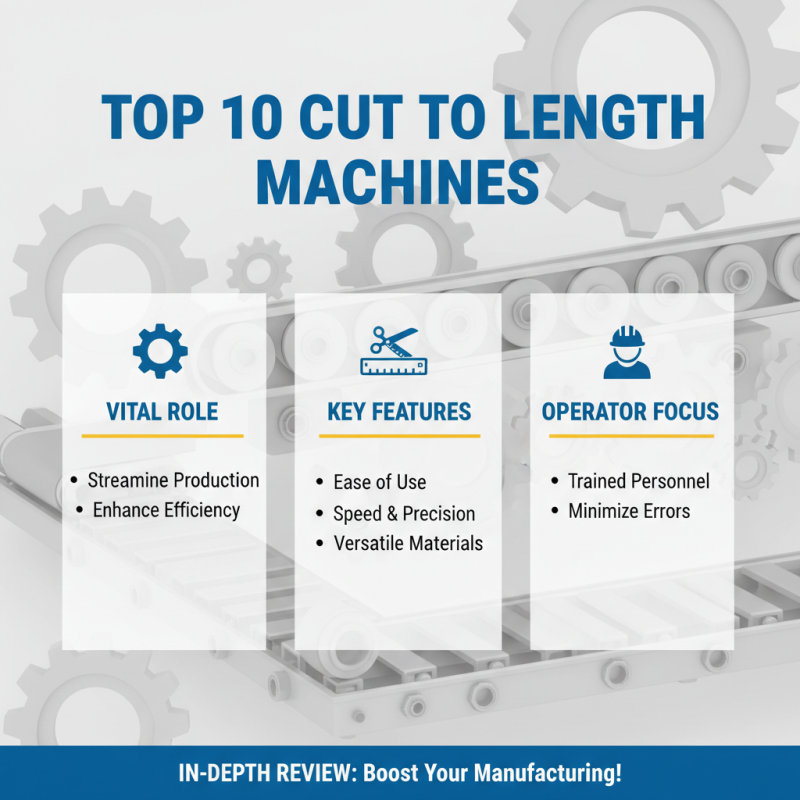
In the world of manufacturing, cut to length machines play a vital role. These machines help streamline production processes. Choosing the right machine can greatly enhance efficiency. Features to consider include ease of use, speed, and precision. A machine that can handle various materials adds to its utility. Operators should be trained to minimize errors during production.
It’s important to consider not just features but also the maintenance requirements. Regular upkeep ensures consistent performance. However, some machines may require specialized training for repairs. This can add complexity to the production line. The initial investment may not always guarantee long-term reliability. Therefore, evaluating total cost of ownership is essential.
When selecting a cut to length machine, flexibility is key. Machines that adapt to different specifications can save time and reduce waste. However, the balance between automation and manual intervention warrants attention. Over-reliance on automation could lead to operational oversights. Manufacturers must reflect on how these machines fit their unique production needs.
Comparative Analysis of Leading Cut to Length Machine Brands
When analyzing the landscape of cut to length machines, several key factors stand out. Efficiency, speed, and quality of cut are critical in producing high-quality products. A recent industry report from the Manufacturing Efficiency Council indicated that employing advanced cut to length machines can increase production efficiency by up to 30%. This demonstrates the substantial impact of technology on manufacturing processes.
While many brands claim to deliver high performance, not all machines are created equal. The variation in speed, precision, and durability often leads to inconsistent results. For example, some machines may produce a high volume of cuts but compromise on accuracy. This inconsistency not only affects output but also leads to higher waste, which can erode profit margins. A detailed analysis suggests that a balance between speed and precision is essential for optimal production results.
Moreover, ease of maintenance is another crucial consideration. Machines that require frequent repairs can disrupt workflows and lead to unexpected downtime. Industry experts recommend selecting machines with a reputation for reliability and lower maintenance needs, as these factors significantly influence long-term performance. Choosing machines based solely on brand reputation without understanding their operational capabilities can lead to costly mistakes. Hence, comprehensive research, including field testing and peer insights, becomes invaluable when evaluating cut to length machines.
Applications of Cut to Length Machines in Various Industries
Cut to length machines play a vital role in various industries, enhancing production efficiency. They are widely used in metal processing, where precision cuts are essential. For instance, in the manufacturing of galvanized pipes, these machines ensure uniformity in length. Properly set parameters lead to effective material usage. However, operators must pay attention to machine calibration. Misalignments can result in wasted materials, affecting profitability.
In the automotive industry, cut to length machines assist in producing components with strict tolerances. They streamline processes, reducing labor costs while improving output quality. Yet, the challenge lies in frequent maintenance. Operators often overlook this, leading to breakdowns and unplanned downtime. Regular checks can mitigate such risks. Understanding the specific needs of production lines can further optimize performance.
Another area benefiting from these machines is packaging. They help create consistent product sizes, enhancing efficiency in packaging lines. However, companies must balance automation with manual oversight. Fully automated systems can overlook subtle variations in product sizes. It’s crucial to establish a system where human oversight complements machine efficiency, ensuring high-quality outputs. This blend can lead to improved operational success across diverse applications in various industries.
Maintenance Tips for Optimizing Cut to Length Machine Performance
Maintaining cut to length machines is crucial for optimal performance. Regular inspections help identify wear and tear. Check the machine’s rollers and cut blades frequently. Dull blades can cause jagged cuts, affecting product quality.
Lubrication is vital. Machine components require the right type of lubricant. A well-lubricated machine operates smoothly, minimizing friction. Avoid excessive lubrication; it can attract dirt and debris, leading to more issues. Cleaning is equally important. Dust and metal shavings can accumulate quickly. Regular cleaning improves the lifespan of your equipment.
Operator training is essential. Properly trained staff can spot problems early. They ensure that machines like the Mental Pipe Manufacturing Machine run efficiently. Encourage operators to follow best practices. Maintain a schedule for routine checks and remember that early detection saves time and money. Reflect on past performance to make improvements.
Top 10 Cut to Length Machines for Efficient Production
| Machine Model |
Cutting Speed (m/min) |
Max Material Width (mm) |
Min Material Thickness (mm) |
Power Consumption (kW) |
| Model A |
30 |
1500 |
0.5 |
15 |
| Model B |
25 |
1200 |
0.3 |
10 |
| Model C |
35 |
1600 |
0.4 |
20 |
| Model D |
28 |
1400 |
0.6 |
18 |
| Model E |
32 |
1300 |
0.5 |
13 |
| Model F |
26 |
1100 |
0.4 |
9 |
| Model G |
40 |
1700 |
0.7 |
22 |
| Model H |
22 |
900 |
0.2 |
8 |
| Model I |
38 |
1500 |
0.5 |
16 |
| Model J |
29 |
1250 |
0.6 |
14 |
Future Trends in Cut to Length Machine Technology and Production
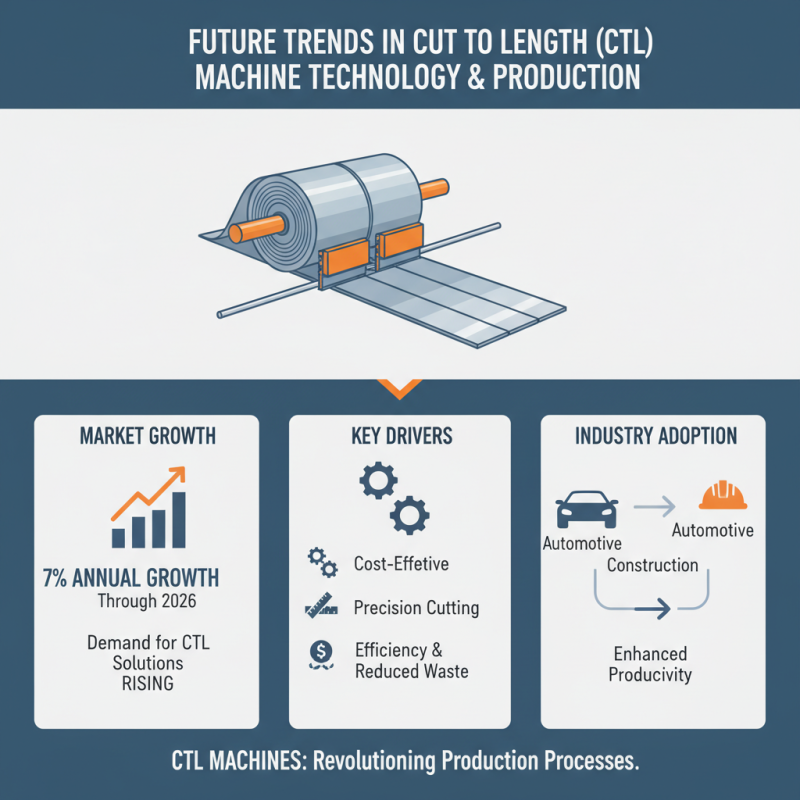
Cut to length (CTL) machines are revolutionizing production processes across various industries. Recent data indicates that the demand for CTL solutions is expected to grow by 7% annually through 2026. This trend is driven by the need for cost-effective, precise, and efficient cutting technologies. Industries such as automotive and construction increasingly favor CTL machines for their capacity to enhance productivity and reduce waste.
Advancements in technology are shaping the future of CTL machines. Companies are adopting automation and artificial intelligence in their operations. Reports suggest that automated CTL machines can increase throughput by up to 30%. However, not all manufacturers leverage this technology effectively. A significant percentage still rely on outdated systems, creating inefficiencies and escalating costs. Industry experts argue that embracing digital technologies is essential for staying competitive.
The integration of smart sensors and data analytics is becoming a game-changer. These features allow for real-time monitoring and adjustments during production. This capability can lead to a reduction in defects and downtime. However, the initial investment in high-tech CTL systems may deter some businesses from upgrading. Striking a balance between cost and innovation remains a challenge. As the industry evolves, those who adapt will likely see substantial benefits.
Exploring the Benefits and Innovations of High Speed Automatic Pipe Making Machines in Modern Manufacturing
High-speed automatic pipe making machines represent a significant leap forward in modern manufacturing, particularly in the production of steel pipes. These advanced machines are designed for efficiency, capable of automatically feeding, welding, and cutting pipes with precision. With the ability to produce pipes ranging from 25 to 80 mm in diameter and a thickness of 0.8 to 3.5 mm, these machines cater to a variety of industrial needs, ensuring high-quality output while minimizing labor costs.
One of the notable benefits of these machines is their customizable features, which include tailored spare parts and machine colors to meet specific production requirements. This flexibility allows manufacturers to optimize their operations and respond to market demands swiftly. Moreover, with a one-year warranty, users can rely on the longevity and durability of these machines, reducing downtime and maintenance concerns. The innovations in pipe making technology not only enhance productivity but also contribute to more sustainable manufacturing practices by minimizing waste and maximizing resource efficiency in the production process.
FAQS
: Speed and efficiency are vital. Look for machines with advanced servo drives for increased speed.
High-quality machines can achieve accuracy within ±0.5 mm, reducing waste significantly.
Machines that consume less energy help lower operational costs. This supports sustainable manufacturing practices.
They offer flexibility for customizing output sizes, which is essential for diverse product requirements.
They ensure precise cuts, especially in making products like galvanized pipes. Calibration is critical to prevent wastage.
Operators often neglect regular maintenance, leading to breakdowns that can disrupt production and increase costs.
They streamline production of parts requiring strict tolerances, but must be regularly maintained to avoid downtimes.
Companies should combine automation with manual oversight to prevent errors in size variations.
It ensures consistent performance and minimizes downtime, which is crucial for maintaining production flow.
They need to assess specific production needs to align machine features with long-term operational goals.
Conclusion
Cut to length machines play a crucial role in modern manufacturing, enabling precise and efficient processing of materials into specific lengths. This article explores the importance of these machines, highlighting key features to consider when selecting a cut to length machine, such as speed, precision, and ease of use. It also provides an in-depth review of the top 10 cut to length machines currently available, along with a comparative analysis of leading brands in the market.
Additionally, the article discusses various applications of cut to length machines across different industries, emphasizing their versatility and efficiency. Maintenance tips are provided to help optimize machine performance, ensuring longevity and reliability. Finally, the article looks ahead to future trends in cut to length machine technology, showcasing innovations that promise to enhance production capabilities even further.