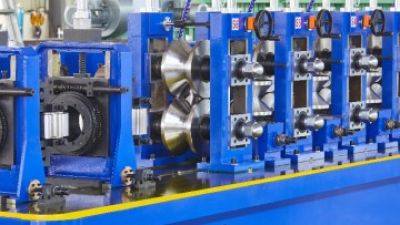
The market for Pipe Rolling Mill technology is really moving fast these days. If you’re in the game, it’s so important to keep up with the latest trends, especially as we look towards 2026. New advancements are actually changing how efficiently production runs and boosting the overall quality of the pipes.
One thing to watch out for is automation in Pipe Rolling Mill systems. It’s a game-changer—it helps improve accuracy and cuts down on waste. But, fair warning—those initial costs can be a bit intimidating for some companies. It’s a smart move to weigh the long-term gains against the upfront expenses before making any decisions.
Sustainability is also gaining a lot of traction in this field. More and more manufacturers are trying to go green and adopt eco-friendly practices. Still, shifting to these greener methods isn’t always straightforward—there can be some hurdles along the way. Companies really need to take a close look at their current processes and stay open to change if they want to stay competitive.
Getting a handle on these trends is crucial for making smart buying choices in the world of Pipe Rolling Mills. Staying informed means you’re always one step ahead in this rapidly evolving industry.
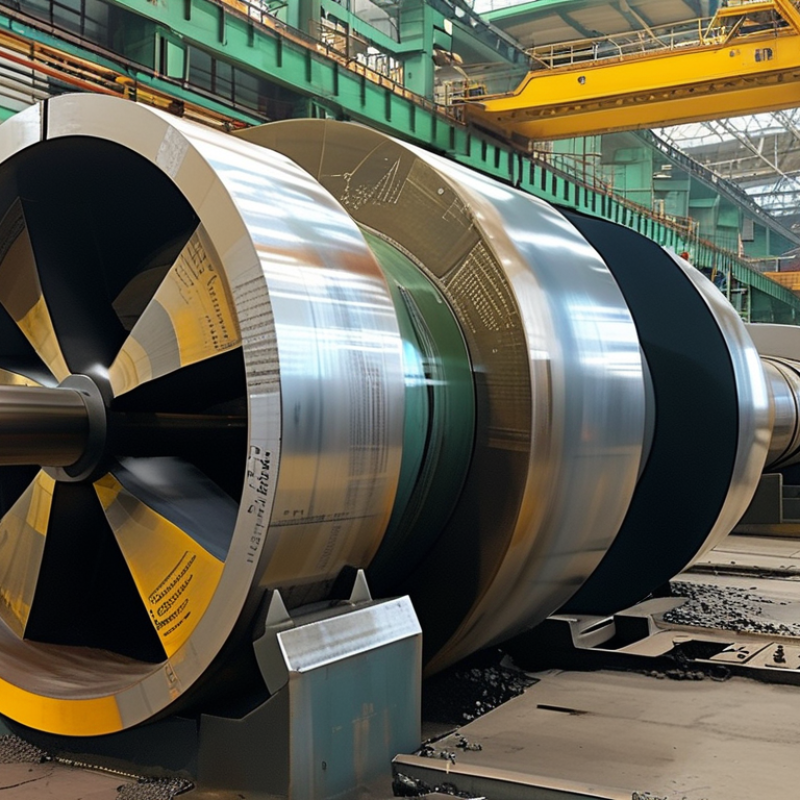
Emerging Technologies in Pipe Rolling Mill Production for 2026
The pipe rolling mill industry is poised for significant advancements by 2026. Emerging technologies are transforming how Tube Rolling Mills operate. Automation is a critical component. Machines can now adjust their operations in real-time. This leads to improved efficiency and reduced waste. The integration of AI is another game-changer. AI technology can analyze production data, helping to optimize processes quickly.
IoT devices are also becoming essential. These devices monitor equipment conditions extensively. They provide valuable insights, improving maintenance schedules. Drones may inspect mill facilities, enhancing safety and productivity. However, implementing these technologies is not without challenges. Companies must invest in infrastructure and training to adapt to new systems.
Data security is another pressing issue. Protecting sensitive information is vital as machines become interconnected. There’s a gap in the workforce skilled in new technologies. This gap creates a need for ongoing education. While these trends offer exciting possibilities, they require careful consideration. The journey toward a smarter tube rolling mill may not be straightforward.
Top Pipe Rolling Mill Trends for 2026 What Buyers Need to Know
| Trend |
Description |
Emerging Technology |
Predicted Impact |
| Automation Integration |
Increased use of automation in pipe rolling processes to enhance efficiency and reduce manual labor. |
Robotic Process Automation (RPA) |
Improved production rates and lower operational costs. |
| Advanced Materials |
Development of high-strength, lightweight materials for pipe production. |
Smart Alloys |
Longer product lifespan and enhanced performance in extreme conditions. |
| Sustainability Practices |
Adoption of eco-friendly practices in production processes and material choices. |
Recycled Materials Technology |
Reduction in carbon footprint and improved company image. |
| Data Analytics |
Utilization of data analysis for optimizing production flow and predictive maintenance. |
IoT Analytical Tools |
Higher operational efficiency and reduced downtime. |
| 3D Printing Applications |
Use of 3D printing techniques to create specialized pipe components. |
Additive Manufacturing |
Customization and reduced lead times for production. |
Sustainability Trends Influencing Pipe Mill Operations
Sustainability is now a top priority for pipe mill operations. As environmental concerns rise, manufacturers are adopting greener practices. Many use energy-efficient technology and recycle materials. These changes reduce waste and carbon emissions. However, not all mills are ready for this transition. Some face challenges in upgrading their systems.
Investing in sustainable practices can be costly at first. Nonetheless, it often leads to long-term savings. The integration of renewable energy sources, like solar or wind, helps mills lower operational costs. Additionally, the demand for eco-friendly products is growing. Buyers increasingly seek materials that minimize environmental impact.
Moreover, companies need to balance cost and sustainability. Achieving this balance is complex and requires strategic planning. Not every pipe mill can adapt quickly, creating disparities in the market. As the industry evolves, staying informed on these trends is essential. Buyers should consider sustainability when selecting partners. Engaging with reliable suppliers that prioritize eco-friendly operations is critical. Rolling Mill Machines must align with these emerging values to remain competitive in the future.
Market Demands Shaping the Future of Pipe Rolling
The landscape of pipe rolling mills is transforming, driven by evolving market demands. Industry reports show that the global market for seamless pipes is projected to reach $164 billion by 2026, with a compound annual growth rate (CAGR) of 5.9%. This growth is largely attributed to increasing energy consumption and infrastructure projects. Buyers need to be aware of how these trends can impact production capabilities and supply chains.
Sustainability is a top priority for many manufacturers. Companies are increasingly investing in green technologies and processes to reduce their carbon footprints. A significant 70% of firms surveyed noted that they are adopting eco-friendly practices to meet regulatory demands and consumer expectations. This shift can influence both procurement strategies and cost structures. However, challenges remain, particularly in finding reliable sources of sustainable materials.
Additionally, automation and digitalization are reshaping how mills operate. Reports indicate that up to 50% of production processes are expected to be automated by 2026. This change can enhance efficiency but may also lead to workforce reductions, raising questions about skill gaps in the industry. Buyers must consider these implications when planning future investments. The transition period requires careful evaluation of both opportunities and potential pitfalls.
Investment Strategies for Buyers in Pipe Rolling Mills
When considering investments in pipe rolling mills for 2026, buyers need to adopt a strategic approach. As the demand for steel pipes continues to rise, understanding market trends is crucial. Buyers should be prepared to assess not only machinery advancements but also shifts in consumer preferences. The transition toward eco-friendly production methods is increasingly significant. This requires an investment in technology that minimizes carbon footprints.
Investors should also evaluate the suppliers they work with. It’s essential to develop relationships with manufacturers who have a proven track record. This can lead to better pricing and reliability in delivery. The ability to innovate is another critical factor. Industry players that embrace digitalization are likely to outperform competitors. Buyers must remain vigilant, looking for opportunities that align with sustainable practices and technological advancements.
However, potential buyers must reflect on the risks involved. Unexpected machinery breakdowns can impact production schedules. A lack of adequate training for staff can lead to inefficiencies. Therefore, companies should prioritize comprehensive training programs. This not only enhances productivity but also ensures that employees are equipped to handle advanced equipment. By focusing on these aspects, investors can position themselves for success in the evolving pipe rolling mill landscape.
Innovation in Materials Used in Pipe Production
As the pipe production industry evolves, innovation in materials is at the forefront of change. Advanced metallurgy is leading to the development of high-performance alloys that offer greater strength and corrosion resistance. According to a recent market report, the demand for these materials is projected to grow by over 15% by 2026. These advancements enable manufacturers to meet the rigorous standards set by various industries, including automotive and oil and gas.
Moreover, the integration of new composite materials is reshaping the landscape of pipe manufacturing. These composites often provide significant weight reductions while maintaining structural integrity. Interestingly, industry experts note that the adoption of these materials remains uneven. A lack of standardization and training in some regions poses challenges. As companies navigate these developments, understanding the capabilities of tools like the Steel Rolling Mill Machine is crucial for optimizing production processes.
Another trend is the increasing use of recyclable materials in pipe production. Sustainability is becoming a key driver in the industry. Reports suggest that using recycled steel can reduce emissions by nearly 30%. However, not all buyers are aware of the benefits of these processes. As awareness grows, it will be important for manufacturers to highlight the advantages of innovative materials in their products.
Global Regulations Affecting Pipe Rolling Mill Operations
In 2026, the landscape of pipe rolling mill operations is expected to undergo significant changes due to global regulations. These regulations aim to enhance safety and environmental sustainability. This shift will require manufacturers to adapt their practices to stay compliant. Although many companies see regulations as obstacles, they can lead to innovation and improved operational efficiency. The emphasis on transparency opens opportunities for more sustainable materials.
Manufacturers need to carefully assess the impact of regulations on their operations. Compliance may require investment in new technologies or processes. Some companies may find their current methods inadequate. This could mean revisiting established practices, which might not have been questioned before. Achieving compliance often necessitates a cultural shift within organizations. It encourages a proactive approach to sustainability and accountability.
Additionally, the emphasis on global standards can lead to challenges. Different countries may enforce varying regulations, complicating cross-border operations. Companies must stay informed about regulatory changes. They should also invest in training their teams to navigate these complexities. While adapting to new regulations can be daunting, it also presents an opportunity for growth and improvement in the long run.
The Role of Automation in Future Pipe Rolling Manufacturing
Automation is transforming the pipe rolling manufacturing sector. It enhances efficiency and reduces operational costs. According to a recent industry report, the automation market in manufacturing is expected to grow by 12% annually through 2026. This trend is particularly evident in the utilization of robotic systems for tasks such as welding and material handling. The integration of these systems allows for increased precision in operations, which ultimately improves product quality.
The adoption of advanced technologies like IoT and AI is also gaining traction. These tools enable real-time monitoring and predictive maintenance of Steel Pipe Rolling Machines. A study found that predictive maintenance can reduce machine downtime by up to 30%. Despite these advancements, challenges remain. Many companies struggle with the initial investment required for automation. Additionally, there is a need for skilled workers who can manage and maintain these sophisticated systems. The transition to fully automated processes requires proper training and adaptation, which some companies may find difficult.
Furthermore, not all pipe rolling manufacturers are equally prepared for this shift. Smaller operations may lack the resources to adopt these technologies. As the industry evolves, fostering a culture of continuous learning and adaptation will be crucial. The future of pipe rolling lies in the balance between adopting automation and addressing the inherent complexities it presents. Embracing change while reflecting on existing capabilities could define success in the coming years.
Exploring the Efficiency of Customized Square Welded Steel Tube Mills: Industry Insights and Market Data from Leading Manufacturers
The demand for customized square welded steel tube mills has seen a significant surge in recent years. As industries evolve and seek more efficient production solutions, the importance of advanced manufacturing techniques cannot be overstated. Our production line, utilizing an innovative roll pass technique, is at the forefront of this evolution, allowing for the creation of high-quality welded steel pipes. These pipes not only adhere to strict quality standards but also boast exceptional machining and precise assembly, ensuring that they meet the diverse needs of various applications.
With the capability to produce pipes ranging from Ф 32mm to 127mm in diameter and a thickness spectrum of 1.0 to 4.0mm, our offerings are tailored to fit the unique specifications of our clients. Additionally, we provide a one-year warranty and customizable spare parts and machine colors, reflecting our commitment to customer satisfaction and adaptability in a competitive market. The insights garnered from leading manufacturers highlight the importance of efficiency, quality, and customization, reinforcing the necessity for such advanced production solutions in today's industrial landscape.
FAQS
: Increasing energy consumption and infrastructure projects are primary growth drivers.
The market is projected to reach $164 billion, with a CAGR of 5.9%.
Manufacturers aim to reduce carbon footprints and meet regulatory demands.
About 70% of surveyed firms are implementing eco-friendly practices.
Up to 50% of processes may be automated, enhancing efficiency and reducing workforce needs.
Finding reliable sources of sustainable materials remains a significant challenge.
High-performance alloys and new composite materials are leading innovations.
Demand for these materials is expected to grow by over 15% by 2026.
Using recycled steel can reduce emissions by nearly 30%, promoting sustainability.
A lack of standardization and training in some regions hampers material adoption.
Conclusion
The article "Top Pipe Rolling Mill Trends for 2026: What Buyers Need to Know" outlines significant developments anticipated in the pipe rolling mill industry. Key trends include the adoption of emerging technologies aimed at enhancing production efficiency and the growing emphasis on sustainability practices that impact operational methodologies. As market demands evolve, buyers must understand the shifting landscape of investment strategies tailored to pipe rolling mills.
Moreover, innovations in materials utilized for pipe production are set to revolutionize the industry, responding to global regulatory standards that dictate operational protocols. The integration of automation technologies is poised to play a crucial role in future manufacturing processes, driving productivity and accuracy in pipe rolling mill operations. Collectively, these insights prepare buyers for the dynamic challenges and opportunities that lie ahead in 2026 and beyond.