In the world of manufacturing, picking the right equipment really makes all the difference. Take the Roll Forming Tube Mill, for example — it’s a pretty important piece of the puzzle when it comes to making precise metal tubing. These mills are pretty versatile; they let manufacturers shape all sorts of complex designs pretty easily. But here’s the thing: not all Roll Forming Tube Mills are created equal, and that’s where things can get tricky.
A lot of manufacturers struggle to find that perfect mill that ticks all their boxes. Common headaches include uneven quality and machines that just don’t run smoothly. Finding a high-quality, reliable Mill can really help dodge these issues. When you invest in something dependable, you’re more likely to boost productivity and get that high-quality output you’re after.
Having some experience in the field really helps when you’re trying to make smart choices. It’s crucial to understand exactly what your manufacturing process needs so you can pick the right equipment. Sure, it’s important to shop around, but having the right expertise really makes a difference. At the end of the day, when the stakes are high, choosing the right Roll Forming Tube Mill can mean the difference between hitting your goals and running into setbacks.
Top Roll Forming Tube Mill: Understanding Its Importance in Manufacturing
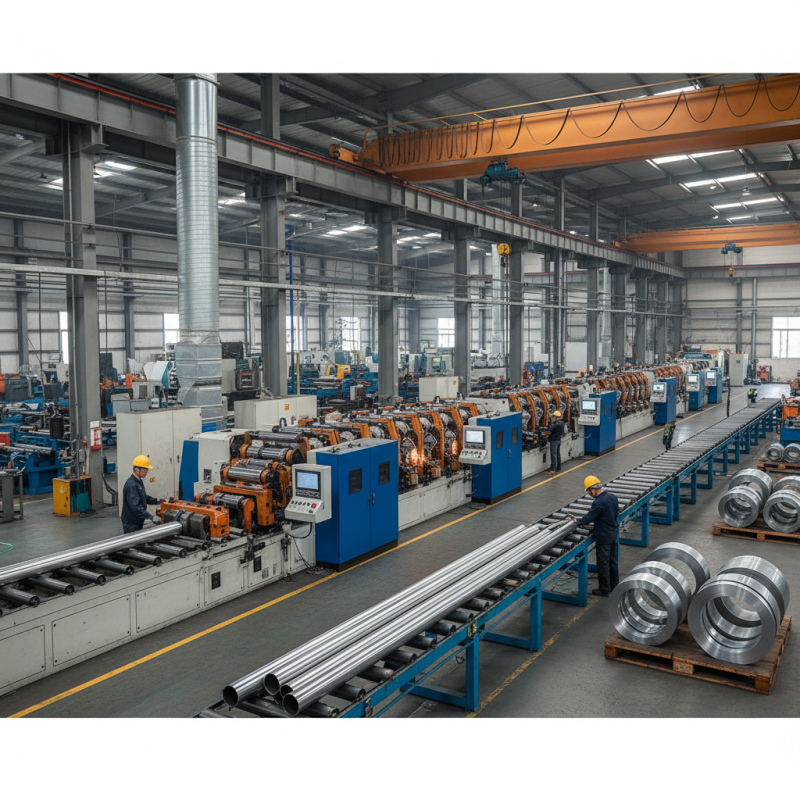
Roll forming tube mills play a critical role in modern manufacturing. They are essential for producing consistent and high-quality metal products. The ability to create tubular shapes from flat metal strips enhances versatility in various industries. This process reduces waste, making it environmentally friendly. However, achieving the right specifications requires expertise and precision.
Each component of a roll forming tube mill must be carefully considered. Variations in speed, temperature, and material type can affect the final product. Manufacturers might find discrepancies in wall thickness and shape if not monitored. Such inconsistencies may lead to additional costs or production delays. Therefore, investing in a high-quality roll forming tube mill is crucial.
Moreover, the setup and maintenance of the machinery are equally important. Routine checks ensure that the mill operates at optimal levels. Operators need proper training to handle potential issues. A lack of expertise can result in errors, which could compromise product quality. Understanding the importance of these factors can significantly enhance manufacturing efficiency.
Key Features of a High-Quality Roll Forming Tube Mill
When choosing a Roll Forming Tube Mill, consider its key features. A high-quality mill enhances production efficiency and product accuracy. Many manufacturers report that using advanced technologies can increase output by 25% compared to traditional methods. Additionally, mills equipped with automated systems reduce the likelihood of human error. It’s crucial for manufacturers to evaluate their specific needs to get the optimal setup.
Another essential feature is adaptability for various materials. A versatile Roll Forming Mill can handle different metals, ensuring a wider range of products. According to industry data, manufacturers using adaptable mills see a 30% increase in product offerings. Maintenance is also vital; easy-to-service machines minimize downtime. Keeping this in mind helps prolong the lifespan of equipment.
While many mills offer impressive features, some may fall short on performance. Research suggests that not all mills provide consistent quality across different batches. This inconsistency can lead to challenges in meeting customer expectations. Therefore, thorough research and testing are recommended before finalizing any equipment purchase. A reliable Roll Forming Mill should balance cutting-edge technology with dependable results for long-term success in manufacturing.
Different Types of Roll Forming Tube Mills and Their Applications
Roll forming tube mills are essential in various manufacturing sectors. Different types of roll forming tube mills cater to unique applications. These mills can produce still structural shapes, automotive components, and furniture tubing. According to recent industry reports, the global roll forming market is expected to witness a growth rate of 4.5% per year, driven by the expanding applications in construction and automotive industries.
The versatility of Tube Roll Forming Machines allows for intricate designs. A mill can be set up for various profiles and sizes. Some machines specialize in thin-wall tubes, often used in lightweight applications. These tubes are crucial for energy-efficient vehicles. On the other hand, heavier mills handle thicker materials, suitable for structural supports in buildings. Each type addresses specific requirements, reducing waste and optimizing efficiency.
However, choosing the right tube roll forming machine can be challenging. Many factors, such as material type and desired end product, play a role. Experienced manufacturers often face issues related to tooling variations and setup times. Innovations are continuously made, yet some challenges remain unresolved. Understanding the pros and cons of each mill type is vital for streamlining production processes and maximizing output.
Top Roll Forming Tube Mill Types and Their Applications
Factors to Consider When Choosing a Roll Forming Tube Mill
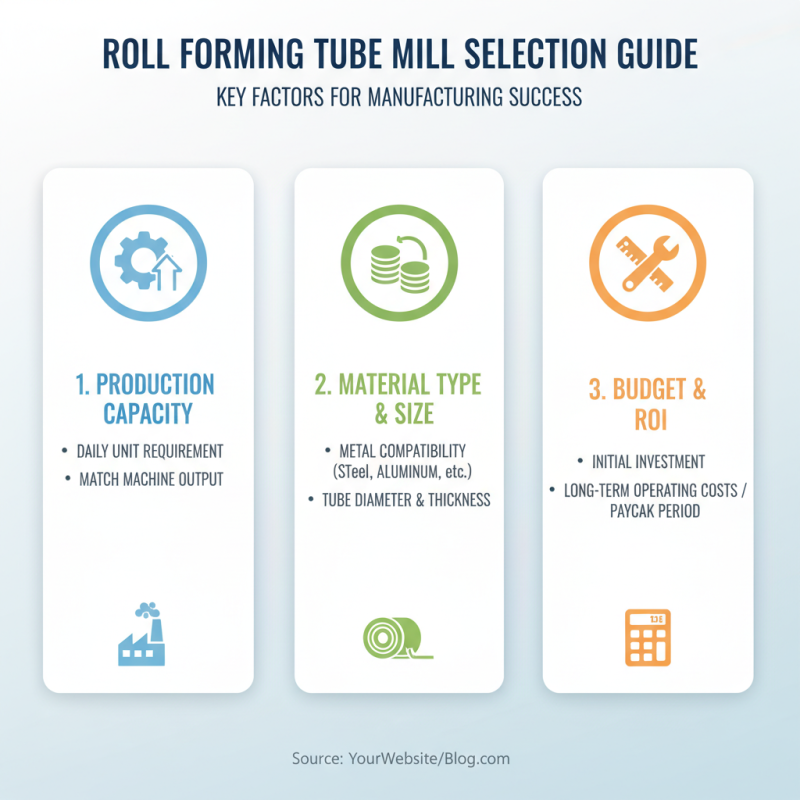
When selecting a roll forming tube mill, understanding key factors can significantly influence your manufacturing success. Start by assessing the production capacity you require. Consider how many units you need to produce daily. This will guide your choice in machinery that can meet those demands without overwhelming your operation.
Quality is another critical aspect. Investigate the materials you’ll use and how they affect the tube mill's performance. High-quality materials can lead to greater durability and efficiency. Don’t forget to evaluate the mill's adaptability to various tube sizes and shapes. Flexibility can save you time and costs in the long run.
Tip: Always seek advice from industry experts. Their experience can provide insights you might overlook.
It's essential to think about the manufacturer’s support services, especially maintenance. A lack of support can lead to extended downtimes, impacting your production. Evaluate warranties and the availability of spare parts. This consideration might feel excessive now, but it’s vital for sustained performance.
Tip: Consider attending workshops or training sessions. Gaining hands-on experience with the equipment can offer invaluable perspectives.
The Advantages of Using Roll Forming Tube Mills in Production
Roll forming tube mills provide a unique advantage for manufacturers. They create long tubes from flat metal sheets, ensuring efficiency and precision. The process is ideal for producing square tubes, which are commonly used in a variety of industries. This efficient method allows for consistent dimensions and high-quality outputs.
One significant benefit is speed. These mills can produce large quantities with less waste. They are designed for automation, reducing manual labor and potential errors. However, not all setups optimize material usage. Some manufacturers find it challenging to adjust machines for different sizes or shapes. This could lead to delays and increased costs.
Maintenance is another concern. Regular checks are essential to avoid breakdowns, which can halt production. Construction quality varies, which can impact longevity. Investing in reliable machinery is crucial for long-term benefits. Ultimately, understanding your production needs will inform your choice in a
Square Tube Roll Forming Machine. Balancing efficiency with maintenance requirements is key to a successful manufacturing process.
Maintenance Tips for Longevity of Your Roll Forming Tube Mill
Maintaining your roll forming tube mill is crucial for its longevity. Regular checks on bearings and lubrication can prevent unexpected breakdowns. This often means setting routines for inspection and making sure all components are clean and adequately lubricated. A few minutes of attention can save hours of expensive repairs.
Monitoring the alignment of your Tube Roll Forming machine is key. Misalignment can lead to uneven wear and tear. Occasionally, workers need to step back and assess the setup. Are all parts properly aligned? Taking time to recalibrate can significantly improve performance. Simple adjustments can avoid complex problems later.
Another consideration is the cleaning process. Keeping the machinery clear of debris enhances functionality. Dust and metal shavings can accumulate, affecting performance. Regular cleaning schedules ensure that your Tube Roll Forming mill remains in optimal condition. Yet, this task is often overlooked, leading to potential issues. Establish a team approach; a focused effort can yield better results.
Top Roll Forming Tube Mill for Your Manufacturing Needs? - Maintenance Tips for Longevity of Your Roll Forming Tube Mill
| Dimension |
Specification |
Material |
Maintenance Tips |
| Tube Diameter |
20mm - 100mm |
Steel |
Regular lubrication of moving parts. |
| Wall Thickness |
1mm - 5mm |
Aluminum |
Inspect for wear and tear every 1000 hours. |
| Length |
Up to 6000mm |
Stainless Steel |
Clean the rollers regularly to prevent build-up. |
| Production Speed |
15m/min - 30m/min |
Carbon Steel |
Ensure proper alignment before operation. |
Future Trends in Roll Forming Technology and Tube Mill Innovations
The roll forming technology is experiencing significant transformations. Tube mills are becoming more efficient and versatile. According to industry reports, the global roll forming market is projected to grow by 4.5% annually, driven by the demand for customized solutions.
Innovations in automation play a crucial role in this evolution. Advanced sensors and AI are enabling smarter operations. This allows for real-time monitoring and adjustments.
Manufacturers can now produce complex shapes at higher speeds. Some studies suggest that automation can reduce operating costs by 30%. However, this shift requires a skilled workforce to manage these advanced systems.
Sustainability is gaining traction as well. Many companies are adopting eco-friendly practices in their tube mills. For instance, using recycled materials has become common. Reports indicate that nearly 20% of manufacturers aim for zero waste by 2025. Yet, transitioning to sustainable practices can be challenging. It involves upfront investments and a commitment to continuous improvement. Embracing these trends is crucial for staying competitive in a rapidly changing industry.
The Essential Guide to Steel Tube Making Machines: Focus on Horizontal Accumulators and Their Benefits
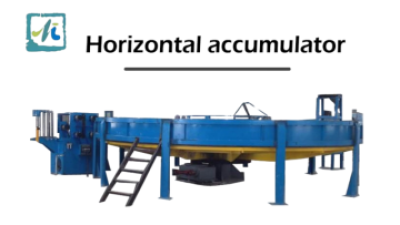
In the realm of steel tube production, horizontal accumulators play a pivotal role in optimizing efficiency and ensuring continuous operations. These machines are designed to store a specific volume of steel strip, providing a crucial buffer for the main welding machinery. By maintaining a consistent supply of material, horizontal accumulators facilitate uninterrupted production flows, which are essential for meeting the high demands of industries served by steel tubes.
According to industry reports, the implementation of horizontal accumulators has been shown to enhance overall system throughput by as much as 20%. This increase not only reduces the frequency of machine stoppages but also minimizes the waste of raw materials, contributing to more sustainable manufacturing practices. Furthermore, studies indicate that companies utilizing horizontal accumulators often experience a decreased cycle time in their production processes, allowing for greater output without compromising quality.
Moreover, the strategic incorporation of these accumulators can lead to significant cost savings. By ensuring that the main welding machines operate continuously without unnecessary interruptions, manufacturers can maximize their operational efficiency. This improvement is particularly beneficial in environments characterized by high production volumes and tight deadlines, where every minute of downtime can result in substantial financial losses. As such, horizontal accumulators are an essential component in the modern steel tube manufacturing landscape, driving both productivity and profitability.
FAQS
: Roll forming tube mills create consistent, high-quality metal products and enhance versatility across industries.
The process reduces waste by using flat metal strips, making it more environmentally friendly.
Variations in speed, temperature, and material types can lead to discrepancies in wall thickness and shape.
Skilled operators prevent errors that could compromise product quality and lead to additional costs.
Assess production capacity and evaluate the adaptability to different tube sizes and shapes for efficiency.
Lack of support may result in extended downtimes, significantly affecting overall production efficiency.
High-quality materials enhance durability and operational efficiency, reducing long-term costs.
Consulting industry experts can provide guidance that you might overlook during decision-making.
Yes, attending workshops can give hands-on experience and useful perspectives on operating equipment.
Ignoring these can lead to issues that disrupt production and inflate costs unnecessarily.
Conclusion
The article "Top Roll Forming Tube Mill for Your Manufacturing Needs" explores the critical role of Roll Forming Tube Mills in modern manufacturing processes. It highlights key features that define a high-quality mill, including accuracy, speed, and durability, which are vital for producing high-standard products. Different types of Roll Forming Tube Mills are discussed, showcasing their diverse applications across various industries, from construction to automotive.
When selecting a Roll Forming Tube Mill, several factors must be considered, including production volume, material compatibility, and operational efficiencies. Additionally, the advantages of employing these mills in production environments, such as reduced waste and enhanced productivity, are emphasized. The article also offers maintenance tips to ensure the longevity of the equipment and looks ahead at future trends and innovations in Roll Forming technology, underscoring the importance of staying updated in a rapidly evolving industry.