


Hot Products
0102030405
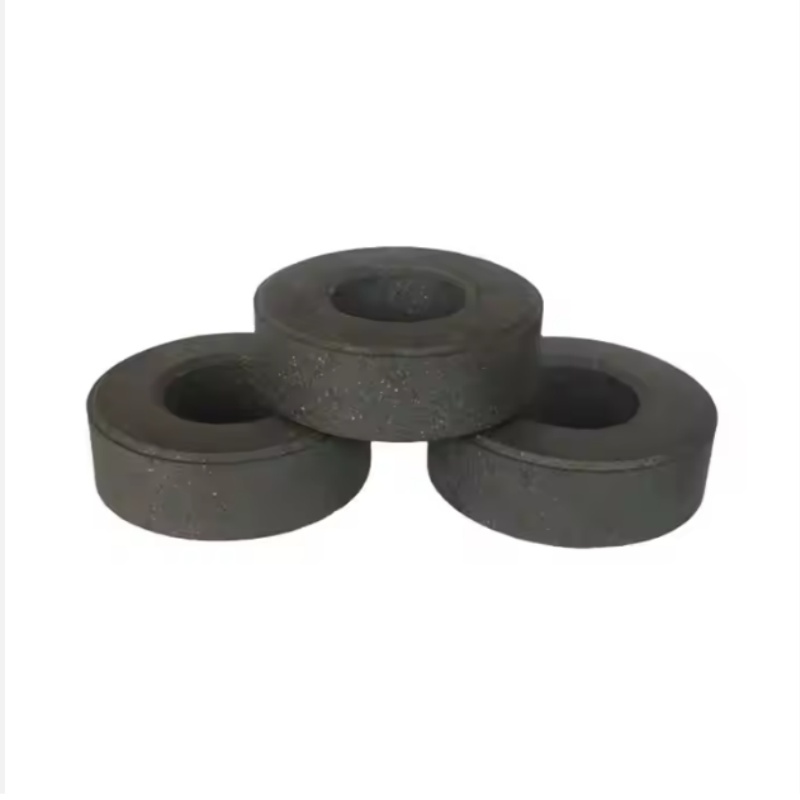
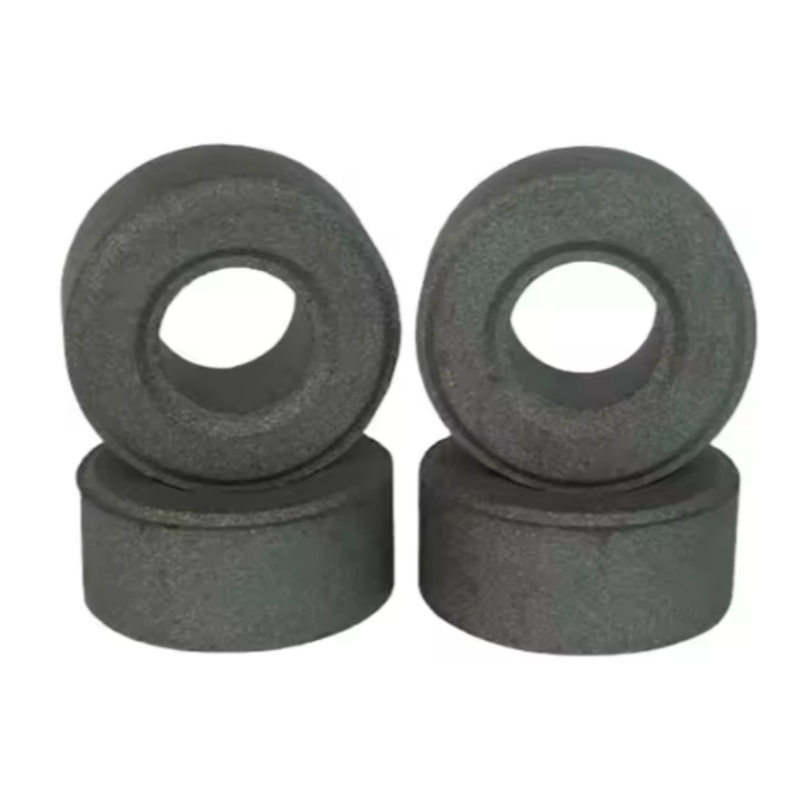
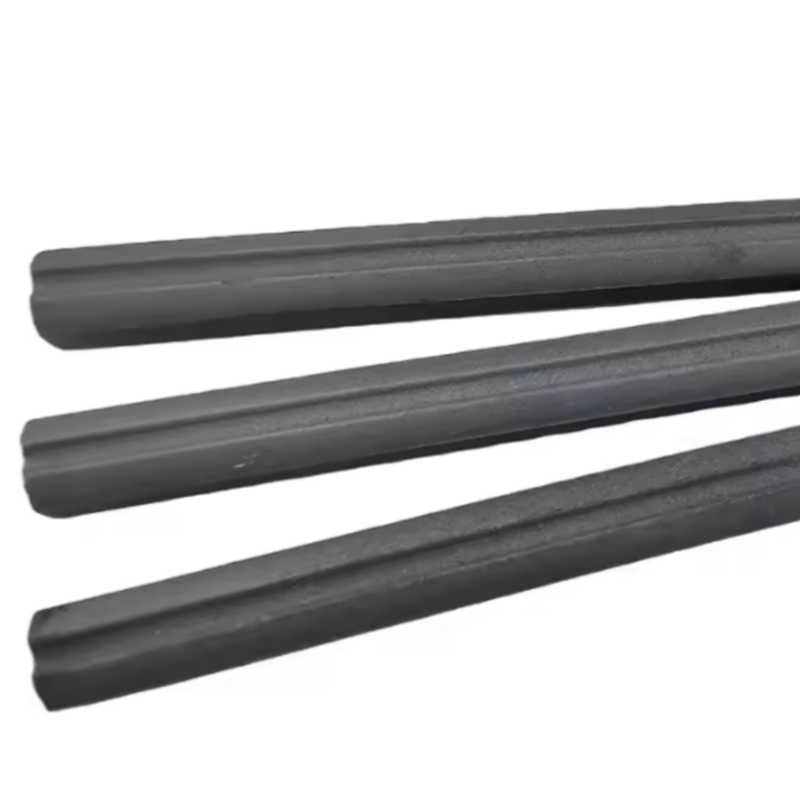
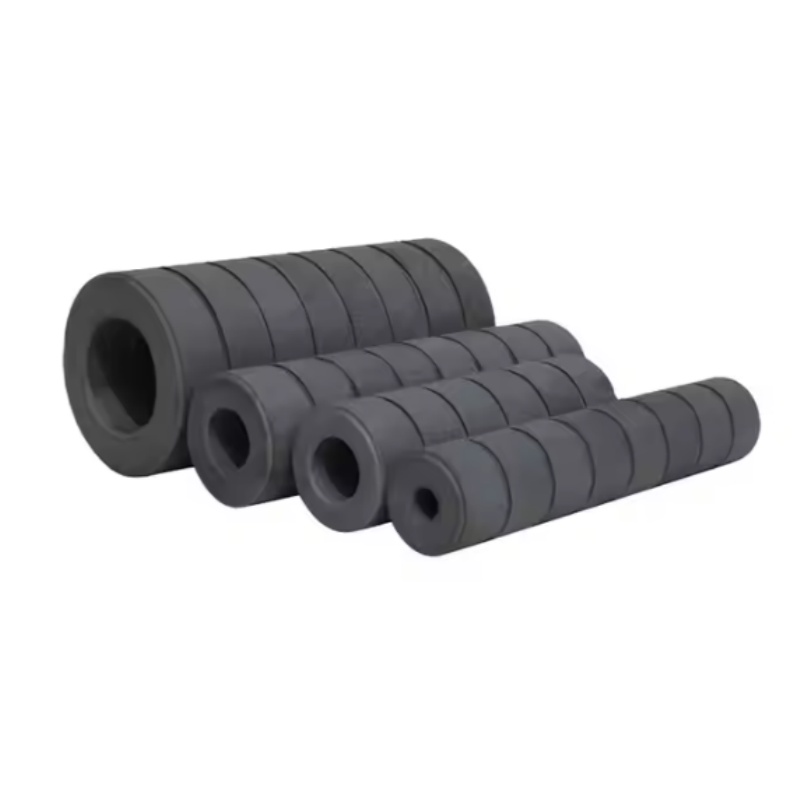
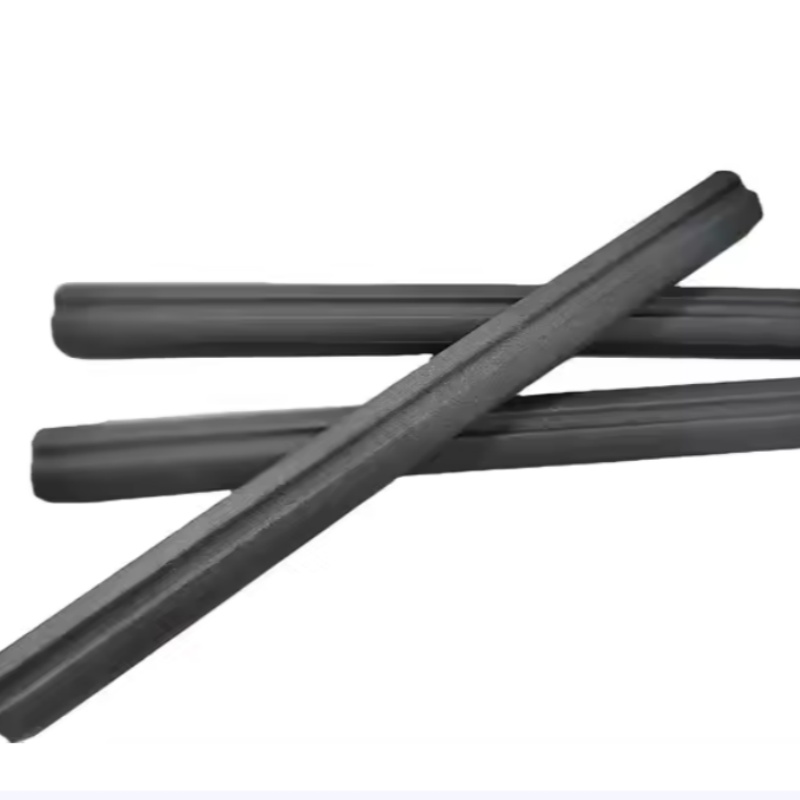
High Frequency Soft Welding Tube Ferrite Rod - China Suppliers & Factory for Welding Pipe Mill Machines
Product Description
1. Main Components of a High-Frequency Welded Pipe Mill:
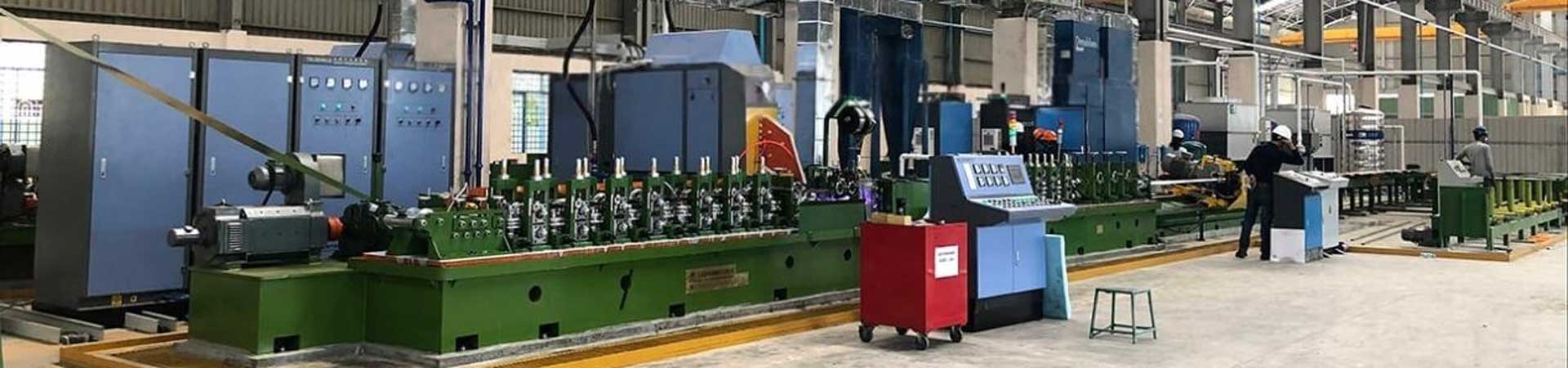
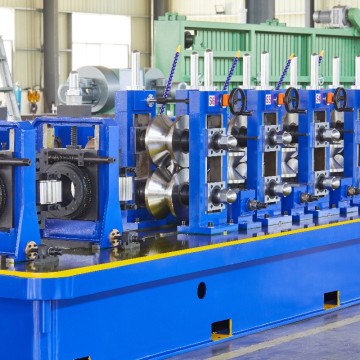
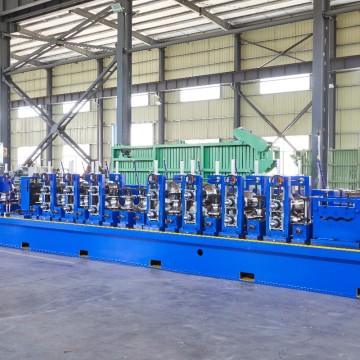
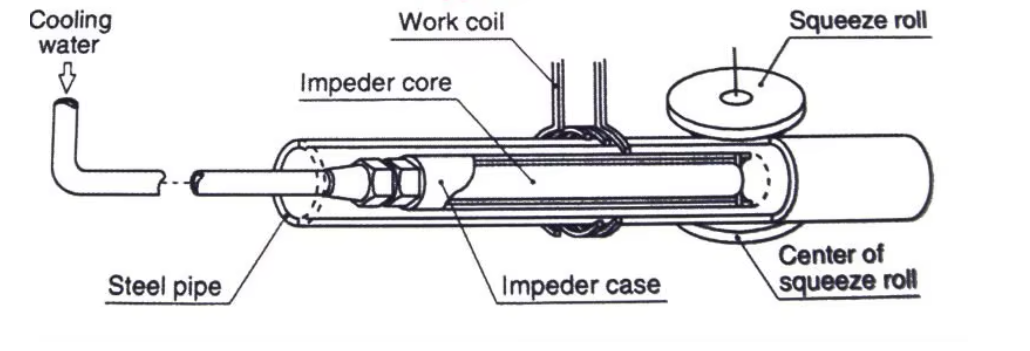
A Hf welding pipe mill machine mainly consists of the following parts: a high-frequency (coil), the steel tube to be welded, a ferrite rod (magnetic rod), squeeze rolls, and a water cooling system.
2. Working Principle of the High Frequency Ferrite Core:
Its operation follows a strictly electromagnetic induction principle:
When high-frequency current flows through the induction coil, a high-frequency alternating magnetic field is generated. As a high-permeability magnetic path, the magnetic rod which is placed inside the pipe actively guides and concentrates the magnetic flux lines, focusing them precisely along the weld seam edges. At this location, strong eddy currents are induced by the dense magnetic flux, instantly generating heat sufficient to melt the metal. The squeeze rolls then apply pressure to finish the welding process.
3. Magnetic Permeability Requirements for the Magnetic Rod:
To effectively increase the magnetic flux in the induction coil, the magnetic rod must have a high magnetic permeability. Since permeability is a function of the magnetic field strength H, it is particularly required to be high within the range of magnetic fields used in the welding process. Because most welding machines operate under relatively low magnetic field strength, the initial permeability is typically used as a measure of this property.
When the alternating magnetic field generated by the coil becomes too strong, the magnetic rod can reach magnetic saturation. At this point, if the alternating magnetic field continues to increase, the magnetic rod will lose its efficiency for further increase. Therefore, for large-power pipe welding units, it is necessary to pay attention to using magnetic rods with high saturation flux density (also known as saturation magnetic induction strength).
Specification
| Initial permeability | 800±25% |
| Saturation magnetic flux density | >=320mt |
| Core loss | 28-30mw/g |
| Curie temperature | <=300℃ |
| Resistivity | 10^6 Ω/cm^2 |
| Material | Mn-Zn ferrite |
| Material density | 4.85g/cm3 |
| Grade | Mn-Zn ferrite |
| Delivery Time | within 7 days |
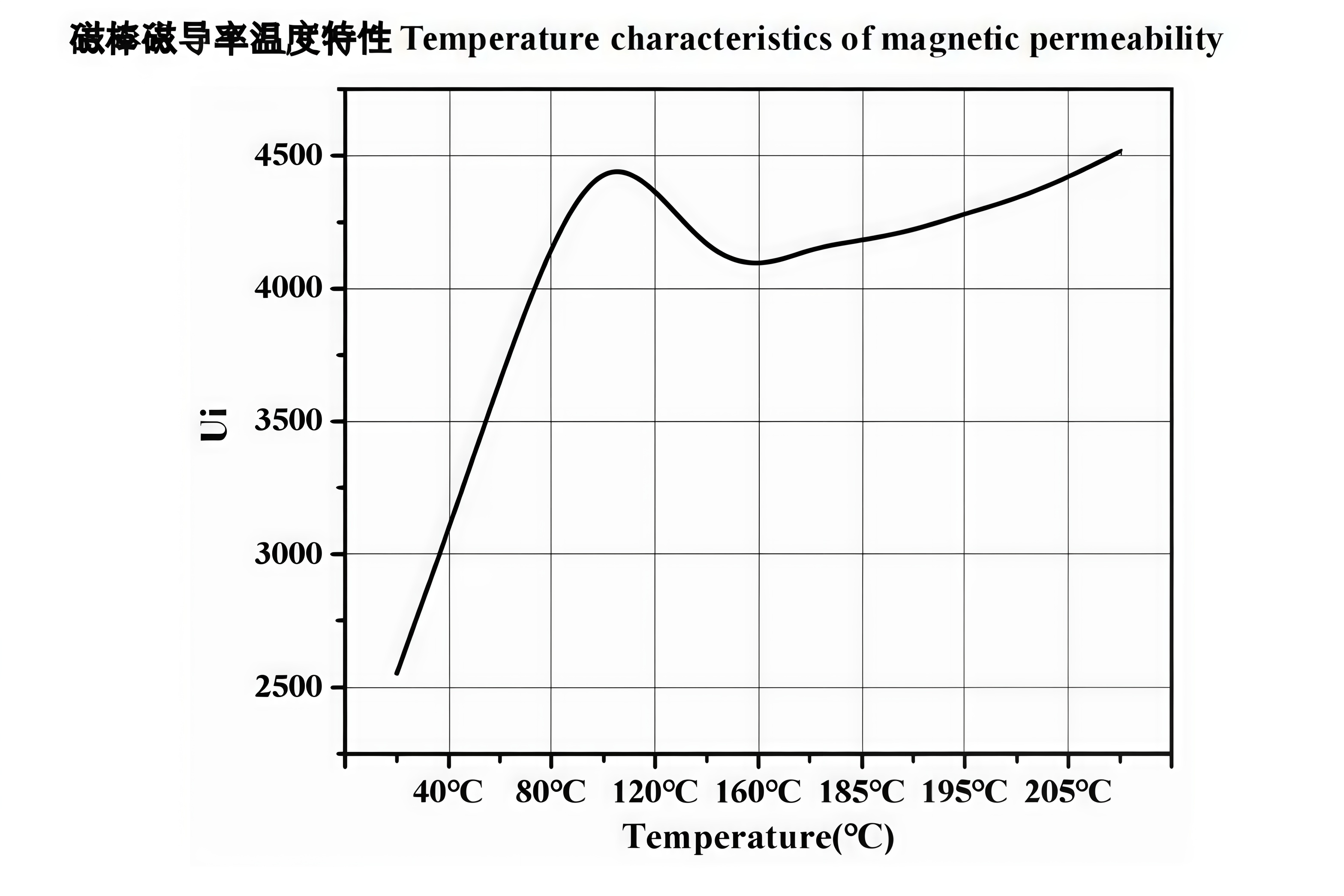
Temperature characteristics of magnetic permeability
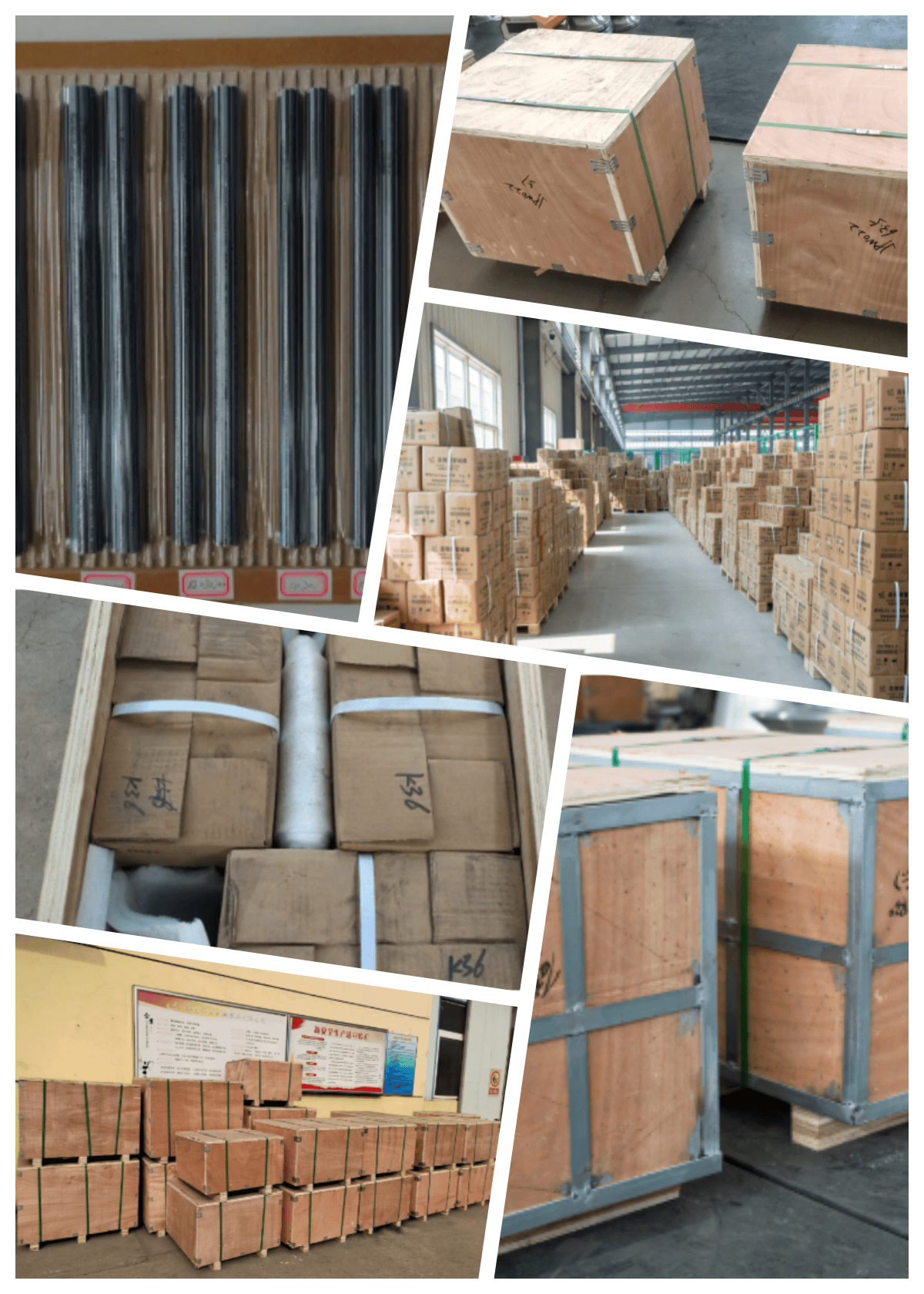
Packing & Delivery
Frequently Asked Questions
What are the primary components of a high-frequency welded pipe mill?
A high-frequency welded pipe mill mainly consists of a high-frequency induction coil, the steel tube to be welded, a ferrite rod (magnetic rod), squeeze rolls, and a specialized water cooling system.
How does the high-frequency ferrite core assist in the welding process?
The ferrite core acts as a high-permeability magnetic path that guides and concentrates the magnetic flux lines along the weld seam. This induces strong eddy currents that rapidly heat and melt the metal edges before they are pressed together by squeeze rolls.
Why is magnetic permeability crucial for the magnetic rod?
High magnetic permeability is necessary to effectively increase the magnetic flux in the induction coil within the operating range of the welding process. Higher initial permeability ensures efficiency even under lower magnetic field strengths.
What happens if the magnetic rod reaches saturation?
Once the magnetic rod reaches magnetic saturation, it can no longer increase magnetic flux efficiency even if the alternating magnetic field continues to rise. For high-power units, rods with high saturation flux density must be used.
What material is used for the magnetic rod, and what is its Curie temperature?
The magnetic rod is made of Mn-Zn ferrite, featuring a Curie temperature of <=300℃ and a material density of 4.85g/cm³.
What is the standard delivery time for these ferrite rods?
The standard delivery time for the Mn-Zn ferrite rods is within 7 days.
Inquire Now!
For inquiries about our products or pricelist, please leave your email to us and we will be in touch within 24 hours.