request to quote
Leave Your Message

Blog

2026 Best Steel Pipe Welding Machine for Global Buyers

2026 Best Steel Pipe Welding Machine for Global Buyers

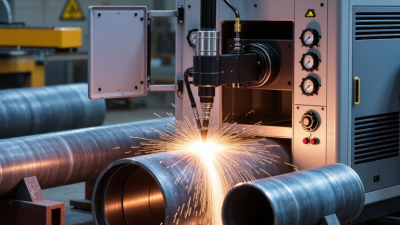
Picking the 2026 Best Steel Pipe Welding Machine isn’t just about comparing price tags and advertised power. Global buyers really need equipment that fits the pipe diameter, wall thickness, steel grade, production speed, and the realities of their workshop. A machine that runs great on 8-inch carbon steel can struggle with thick stainless sections. That difference matters—a lot. This guide looks at Steel Pipe Welding Machine options through practical buying criteria. We’re talking welding process, current stability, seam quality, automation, cooling design, operator controls, and how easy it is to get at the machine for maintenance. We also get into duty cycle, power requirements, spare-part availability, and technical support. Those details start to matter when the machine sits next to a dusty cutting line or runs twelve hours a day. Clear product docs and traceable factory testing also help you make a more reliable call. Real production experience often turns up problems brochures leave out. A compact frame can save floor space, sure—but it may also limit access during repairs. A higher welding speed might hurt output quality if wire feeding and shielding gas control aren’t right. Not every impressive spec deserves your trust. Buyers should ask for sample welds, inspection records, and performance data for their actual pipe sizes. Independent verification is still worth the effort. This introduction doesn’t pretend one model is perfect. Needs vary between oil and gas infrastructure, water pipelines, structural fabrication, and general industrial workshops. Some recommendations may need adjusting after site testing. That’s a weakness worth admitting, honestly. By mixing engineering analysis, supplier evaluation, and practical operating observations, the overview below helps international buyers find a Steel Pipe Welding Machine that’s capable, maintainable, and suited to long-term production. Reliability comes from evidence, not polished promises.
Read more »
Sophia By:Sophia - October 12, 2026
Top Steel Pipe Mill Suppliers How to Choose the Best?

Top Steel Pipe Mill Suppliers How to Choose the Best?

Picking the right Steel Pipe Mill supplier isn’t just about who offers the lowest price. Sure, price matters, but a mill you can actually rely on has to show consistent quality, steady production, and clear communication. Before you commit, it’s worth digging into things like mill capacity, pipe sizes, steel grades, welding methods, coating options, and inspection procedures. These aren’t just technical boxes to tick—they can affect project safety and what you end up paying over the long run. Look for documented quality systems and production records you can trace. Ask if each pipe can be tied to a heat number, a test report, and a specific inspection stage. Independent inspections can give you extra confidence, especially on pressure, structural, or energy projects. A supplier who really knows their stuff should also be able to explain non-destructive testing, dimensional control, packing, and delivery planning in plain, practical terms. If the answers stay vague, that’s usually a red flag. Experience counts more than a shiny brochure. If you can, visit the facility. Watch how they store material, run cutting lines, handle forming equipment, and move finished pipe. Talk to the technical staff—not just the sales team. References from similar projects can tell you a lot about how a supplier handles delays, defects, or spec changes. That said, one good project doesn’t prove everything. Even well-respected mills can slip up, so it’s smart to question your assumptions. The best supplier usually balances engineering skill, transparent pricing, reliable production, and solid after-sales support. Certification alone? Not enough. A certificate can be up to date while the actual process still deserves a closer look. Compare several mills using the same technical checklist, and write down their answers carefully. Taking a little more time to decide may save you from expensive surprises—and help your project run safer.
Read more »
Isabella By:Isabella - October 8, 2026
How to Choose the Best Pipe Rolling Mill?

How to Choose the Best Pipe Rolling Mill?

Choosing the right Pipe Rolling Mill isn’t just about comparing prices. It’s more about taking a practical look at your production goals, the types of materials you'll work with, the tolerances you need, energy consumption, and also the support you'll get after the sale. You know, things that really matter in the long run. Did you know that the World Steel Association reported about 1.89 billion tonnes of crude steel produced worldwide in 2023? And that steelmaking accounts for roughly 7 to 9% of global CO2 emissions? These numbers kinda make you realize that mill efficiency isn't just a technical detail anymore — it’s a serious business concern. Ideally, your mill should reduce unnecessary passes, keep heating stable, and cut down on scrap during shaping. Those small improvements can add up and make a big difference. According to the OECD’s Steel Market Developments report, the demand for steel, capacity, costs, and efforts to decarbonize are all under constant pressure. So, when you’re shopping around, don’t just fall for glossy brochures. Ask to see production records for pipes similar in diameter and wall thickness to what you need. Find out how the mill controls roll alignment, manages temperature swings, keeps surface defects at bay, and maintains accurate dimensions. And honestly, a good test run should give you a look at the finished pipe—not just data on a control screen. Standards matter too. Organizations like ASTM International and ASME set guidelines for material quality, testing, and dimensions. But frankly, standards alone don’t guarantee you'll get consistent results. Stuff like operator training, having spare parts on hand, how quickly maintenance is done, and how smoothly the startup process goes – those are just as important. Be realistic and willing to compromise. The fastest mill might use more energy or need costly tooling. The lowest bid might skip on sensors, installation, or operator training. It's smart to look at the total cost of ownership over a few years, not just the upfront price. Good decision-making comes from mixing verified data with hands-on experience, and always leaving room to question assumptions that seem obvious at first glance.
Read more »
Sophia By:Sophia - October 3, 2026
How to Choose Tube Mill Consumables in 2026?

How to Choose Tube Mill Consumables in 2026?

Choosing Tube Mill consumables in 2026 isn't just about comparing prices anymore. You really need to consider things like strip grade, wall thickness, welding speed, coolant quality, and overall production volume — all of these things can impact how long your tools last. For instance, a forming roll that handles mild steel well might not hold up on high-strength grades. And those tiny surface marks? They can turn into costly rejects if you're not careful. Looking at the bigger picture, the World Steel Association reported a whopping 1,888.2 million tonnes of crude steel produced globally in 2023. That’s a huge scale, which puts a real squeeze on every hour of production. Plus, the International Energy Agency points out that steelmaking is one of the biggest industrial sources of carbon emissions. So, investing in longer-lasting tooling isn't just about saving money — it’s also about making your process more efficient and eco-friendly. Now, these reports don’t talk directly about consumables, but they do highlight why paying attention to wear, downtime, and material waste is super important. Robert A. Sladky from Roll-Kraft put it nicely when he said, “Tooling performance starts with understanding the strip, not just buying the hardest steel.” That really hits home, especially when it comes to tube mill consumables. Hardness alone doesn’t tell the whole story. You’ve gotta look at stuff like roll geometry, surface finish, bearing health, lubrication, and even how often you change things over. And don’t forget, always ask for test results — don’t just rely on marketing hype. In the real world, the best setup is probably a mix of hardened forming rolls, properly specified weld tooling, dependable cutoff blades, and a solid routine for inspections. But hey, there’s no one-size-fits-all solution. A supplier’s recommendation might seem reasonable, but it’s crucial to compare that against your actual production data. How many meters are you getting out of each tool? Is your edge quality consistent? How often do you need replacements or experience unexpected stoppages? The decision needs to be based on what’s actually happening at your mill, not just ideal lab conditions. That’s where experience really counts, and even then, sometimes you need to revisit your choices down the line — nothing’s set in stone.
Read more »
Isabella By:Isabella - September 30, 2026
Which Type of Steel Tube Mill Is Best in 2026?

Which Type of Steel Tube Mill Is Best in 2026?

Picking the right Steel Tube Mill in 2026 isn’t just about how fast it can produce. You’ve gotta think about whether the machine matches the tube sizes you need, the steel grades, the volume of production, and, importantly, the quality your customers expect. Sometimes, a compact ERW line is perfect if you’re doing repeat orders of standard sections. Other times, a seamless line might be the better choice if the products need specific mechanical properties. Honestly, neither option is automatically the better investment; it really depends on your particular needs. The World Steel Association’s October 2024 Short Range Outlook estimates global steel demand at about 1.75 billion tonnes in 2024 and around 1.77 billion tonnes in 2025. But here’s the thing—these numbers are about overall steel demand, not about the number of tube orders or how many mills are being sold. It’s a subtle but important distinction. While these figures give you some market perspective, they won’t tell you which equipment to buy. Deciding on capacity has to be based on actual local data—things like confirmed orders, what kind of products you plan to make, and how realistic your changeover times are. So, don’t just look at the rated tonnes per year—dig a little deeper. Check the actual usable diameter and wall-thickness ranges, the forming and welding controls, tooling costs, inspection setups, energy consumption, and operator training needs. Always ask to see a line in action making similar grades and sizes—not just a shiny demo. Pay attention to how the strip feeds in, how the weld is monitored, and how precise the cut-off is. Small issues can turn into big expenses when you’re running at volume. And remember, no machine is perfect. A high-speed line might seem great on paper but could turn out to be a poor fit if changing products takes forever or if your product range is really narrow. This guide tries to compare different mill types based on real-world production needs, but don’t forget—claims from suppliers and published specs are worth verifying carefully. Sometimes, the real story’s in the details.
Read more »
Isabella By:Isabella - September 26, 2026
How to Choose Steel Pipe Making Machines for Your Factory?

How to Choose Steel Pipe Making Machines for Your Factory?

Picking the right steel pipe making machines isn’t just about how much they can produce anymore — it’s more like weighing the risks involved. Did you know that the World Steel Association reported a massive 1,888.2 million tonnes of crude steel produced in 2023? Plus, the OECD Steel Outlook warns that global excess capacity might keep climbing. All this tension means that for every factory, efficiency, flexibility, and consistently good quality are more critical than ever. Dr. Edwin Basson, the DG of the World Steel Association, once said, “Steel is vital to our everyday lives.” And honestly, that also rings true for the machines that turn raw steel into the products we rely on. It’s not just about machines working fast — they need to do their job reliably. When you’re shopping around, pay close attention to details like coil width, strip thickness, pipe diameter, welding type, forming stands, how precise the sizing is, and how well the cutoff performs. Skimp on alignment, and you’ll see visible defects stretch for meters along the pipe. Experience in the factory makes a big difference. A high-frequency welded line might look like a winner during a quick demo, but the real test happens after long hours of work, changing materials, and tweaking tooling. Steel Rollforming Machines can handle flexible production setups — but only if the operators are properly trained. Don’t forget, energy use, spare parts availability, maintenance access, and local technical support are just as important. Honestly, there’s no such thing as a perfect machine. That’s the tough part to swallow. A cheaper line might save you money upfront, but it could mean more downtime down the road. On the flip side, a more advanced machine might come with automation features, but that means your team needs to be pretty disciplined with the processes. So, instead of just looking at the price tag, think about the total cost of ownership. The machines should fit your factory’s product range, your team’s skills, your available space, and your growth plans. Reports from places like Grand View Research show that the demand for welded steel products isn’t slowing down, but nobody’s claiming future guarantees. The key is doing careful trials, checking references, and running measurable tests to be sure you’re making the right choice.
Read more »
Emma By:Emma - September 23, 2026
What Is the Best Tube Mill for Global Buyers?

What Is the Best Tube Mill for Global Buyers?

Choosing the right Tube Mill isn’t just about picking the fastest machine listed on a brochure. For global buyers, it’s more about making sure the equipment actually fits their specific needs—considering things like the type of material, the product range, labor conditions, and what kind of support they expect. For example, a mill designed to produce 25-millimeter carbon-steel tubes might not work so well if you’re dealing with stainless steel, thicker walls, or if you need to change sizes often. Small differences really matter here—things like roll tooling, weld stability, drive control, and cooling systems can impact every single meter of tube you produce. Robert Sladky, a tube-forming expert with Roll-Kraft, once said, “The quality of the tooling is only as good as the mill producing the tube.” That’s a pretty practical way to look at it, and it’s worth paying attention to. A good tube mill should consistently produce stable forming, smooth weld seams, accurate sizing, and be straightforward to maintain. When shopping around, don’t be shy—ask for production trials, check measurable tolerances, review energy consumption data, and look for references from factories working with similar materials. Be sure to inquire about spare parts, remote support options, how quickly technicians can respond, and what kind of training operators will get. These details really become crucial when your plant’s located thousands of miles from the supplier. Now, speed might grab your attention, but uptime—that’s what really keeps the lights on and the bills paid. Of course, no machine is perfect. An automated line might cut down on labor costs, but it could also make diagnosing issues a lot more complicated. And a cheaper mill might seem like a good deal initially, but if you Factor in costs from tooling replacements, shipping delays, or rejected tubes, you might find it adds up pretty quickly. Plus, keep in mind that what a supplier claims isn’t always equal to what you’ll see in actual factory performance. So, the best Tube Mill isn’t necessarily the one with the highest power specs. It’s the one that keeps delivering good, saleable tubes, keeps operating costs manageable, and offers dependable support—especially in the real world of your own production environment.
Read more »
Emma By:Emma - September 18, 2026
How to Choose a Roll Forming Tube Mill?

How to Choose a Roll Forming Tube Mill?

Picking out a Roll Forming Tube Mill isn’t just about buying some equipment — it’s a pretty important decision for your production line. If you don’t choose wisely, you might end up with inconsistent welds, tubes that aren’t quite right in size, and wasting a bunch of material. So, it’s crucial to find a mill that fits your needs — think about the tube sizes you’re working with, the steel grades, wall thickness, output goals, and how much space you’ve got on the shop floor. Robert A. Sladky, a well-known expert in tube and pipe tooling at Roll-Kraft, always says, “Pick a mill based on what your process needs, not just on how fast it can go.” That advice still holds true. Sure, a machine rated at 120 meters per minute sounds great, but if the forming stands aren’t sturdy or the welding system can’t keep a steady heat, it won’t deliver. Always ask for trial data, and if possible, check out samples under actual production conditions. Also, see how quick and easy it is for your operators to swap tooling between different sizes. There are some details that can slip under the radar — things like how accessible the gearbox is, how long it takes to change rolls, how well the strip lines up when entering, how the weld unit can be adjusted, and whether spare parts are easy to get. On top of that, make sure the supplier offers support — like commissioning, operator training, and ongoing technical help after installation. Quality manufacturers should be upfront about tolerances, not just flaunt fancy brochures. Remember, there’s no one-size-fits-all “perfect” mill for every factory. I’d also be cautious about overly optimistic production estimates — even for my own setup. Your actual output might fall short if coils vary, tooling needs adjustments, or operators are still getting the hang of things. Usually, it’s smarter to compare the total lifecycle costs, maintenance history, and the quality of the final product rather than just focusing on the purchase price. In the end, the best Roll Forming Tube Mill is the one that gives you consistent tubes, is easy to maintain, and has room to grow with your production needs.
Read more »
Isabella By:Isabella - September 15, 2026
10 Best Tube Mills for Global Buyers in 2026?

10 Best Tube Mills for Global Buyers in 2026?

Picking the right Tube Mill in 2026 isn't just about comparing their claimed speeds on paper. Buyers really need to look beyond that — things like how precise the forming process is, the stability of the welds, how energy-efficient the machine is, and whether there's good long-term technical support available. Just because a machine is fast doesn’t mean it’s cheap in the long run — slow tooling changes or late spare parts can turn it into a money pit. Back in 2024, the World Steel Association reported that global crude steel production hit around 1.88 billion tonnes. That massive industrial footprint keeps fueling demand for welded tubes, especially in sectors like construction, auto manufacturing, energy infrastructure, furniture, and precision engineering. Meanwhile, the International Energy Agency keeps stressing how important efficiency and electrification are for industry today. So, on top of performance, factors like power consumption, automation, and how easy it is to get maintenance—these are things you really wanna keep in mind. Of course, people’s market forecasts don’t always match up. Reports from firms like Grand View Research, Fortune Business Insights, and Research and Markets all say the steel tube and pipe market is still growing. But their definitions of the market and how they forecast things can differ quite a bit — it’s worth paying attention to that. So, when you're making a call, it’s smart to weigh these published stats with real-world feedback from other buyers and field experiences — don’t just rely on a single forecast. In this guide, we’re looking at ten top Tube Mill options for buyers around the world in 2026. We consider everything from the variety of products they can handle, flexibility with strip widths, how fast the lines run, welding controls, the precision of dimensions, safety features for operators, after-sales support, and overall ownership costs. Companies like Fives, SMS Group, Danieli, and T&H Lemont each bring their unique engineering strengths to the table. And don’t forget smaller specialists — they might offer some really tailored solutions if you need something custom. No machine is perfect, though. How well it performs really depends on factors like the type of material you’re working with, tube sizes, production volume, your factory setup, and how good the local service support is. Before you make a final decision, it’s a good idea to ask for references from verified users, see results from trial runs, review energy consumption data, and have a clear plan for spare parts and maintenance. Trust me, taking these steps now can save you a lot of headaches later.
Read more »
Emma By:Emma - September 11, 2026
7 Tips for Choosing a Steel Pipe Making Machine

7 Tips for Choosing a Steel Pipe Making Machine

Picking out a Steel Pipe Making Machine isn’t just about comparing prices, honestly. You really need to make sure it fits your specific needs — stuff like the pipe diameter range, wall thickness, steel grade, and how much you actually plan to produce. For example, a machine designed for thin carbon steel might not handle thicker stainless steel very well. If it doesn’t, you could end up damaging rollers, facing more weld defects, and slowing down your entire process. That’s a headache nobody wants. W. Edwards Deming, a manufacturing quality guru, once said, “Quality comes not from inspection, but from the improvement of the production process.” Honestly, that’s so true, especially when choosing a Steel Pipe Making Machine. It’s important to look beyond just specs — check things like forming accuracy, how stable the high-frequency welding is, the precision of cutting, and whether it has automatic controls. And don’t just go by what you see in brochures — ask about real changeover times, too. Little details can make a big difference. It’s also smart to ask for samples, maintenance records, and references from other factories similar to yours. A trustworthy supplier should be able to clearly explain things like motor power, roller materials, electrical parts, and how easy it is to get spare parts — and they shouldn’t hide behind confusing tech talk. Another thing to consider is who’s actually operating the machine. Sometimes a fancy touchscreen interface might look impressive, but in reality, it could lead to mistakes, especially during late-night shifts. And when a weld line goes haywire at 2 a.m., you’ll want quick service support — that can save you tons of headaches. I’ve seen buyers get obsessed with speed, only to later regret not checking on tech support or total downtime costs. That’s a rough lesson, but it’s a reminder — no machine is perfect, and really, a careful evaluation can save you from a lot of avoidable trouble. This guide, “7 Tips for Choosing a Steel Pipe Making Machine,” is all about helping you think through important factors before you seal the deal. From performance and durability to energy use, customization options, safety features, and long-term value — it’s all worth considering to make a smart choice that fits your needs.
Read more »
Sophia By:Sophia - September 7, 2026
Best Pipe Mill in China for Global Buyers?

Best Pipe Mill in China for Global Buyers?

Lately, there's been a pretty noticeable uptick in the global demand for high-quality Pipe Mills. It kinda reflects how much the industrial scene is growing, you know? I came across a report from MarketResearchFuture that says the entire pipe mill market could hit around $45 billion by 2027, growing at about 4.5% each year. Most of this boom seems to be driven by the need for more advanced infrastructure in construction and energy sectors. And China, of course, is really stepping up — they’re becoming known for their efficient and innovative pipe mills, which is pretty impressive. John Roberts, a senior analyst over at Metal Strategies Inc., really drives home how crucial quality is when it comes to pipeline manufacturing. He’s quoted saying, "Investing in a reliable pipe mill is key to making sure your infrastructure lasts for the long haul." Basically, this means if you're buying from China, you’ve got to be careful and do your homework. Not all manufacturers are created equal — some don’t meet international standards, and if you're not cautious, that might cause big delays in your projects. So, it’s super important to focus on suppliers that follow strict quality assurance procedures. There are plenty of reputable companies out there, but sometimes transparency isn’t all that great, which can make things a bit uncertain. If you want to pick the right pipe mill, it’s worth doing thorough research and seriously weighing your options. Trust me, making a smart choice here can save you time, cut costs, and totally boost your project’s chances of success.
Read more »
Sophia By:Sophia - September 3, 2026
Top 10 Ms Pipe Making Machines for Global Buyers Need?

Top 10 Ms Pipe Making Machines for Global Buyers Need?

In the fast-paced world of industrial manufacturing these days, there's definitely a growing buzz around reliable Pipe Making Machines. It’s pretty clear that picking the right equipment is crucial if you want to make high-quality pipes. I mean, as James Thompson, a well-known expert at PipeTech Innovations, once pointed out, "The quality of your pipes really depends a lot on how precise and up-to-date your machine is." That totally highlights just how important these Ms Pipe Making Machines are when it comes to meeting global standards. The performance of these machines directly affects how much you can produce. With all the cool features they come with nowadays, they can speed up production and reduce waste — which is a big win. But here’s the thing: not all machines are made equally. Some manufacturers might skip over or overlook key details, which can lead to them not performing as well as you'd hope. So, it’s really important for buyers to do their homework and figure out which model is actually going to fit their particular needs. Working with a trustworthy supplier can really turn things around and make a long-term difference. As the market keeps changing and evolving, it’s obvious that embracing new tech is super important in pipe manufacturing. But with so many options out there, it can get pretty overwhelming. Doing some thorough research on each machine’s features and capabilities is pretty much a must. Otherwise, there’s a real risk of picking equipment that just doesn’t live up to what's expected. Finding that sweet spot between cost and quality? That’s the ongoing challenge for anyone in this industry, but it’s totally worth it in the end.
Read more »
Isabella By:Isabella - August 30, 2026